
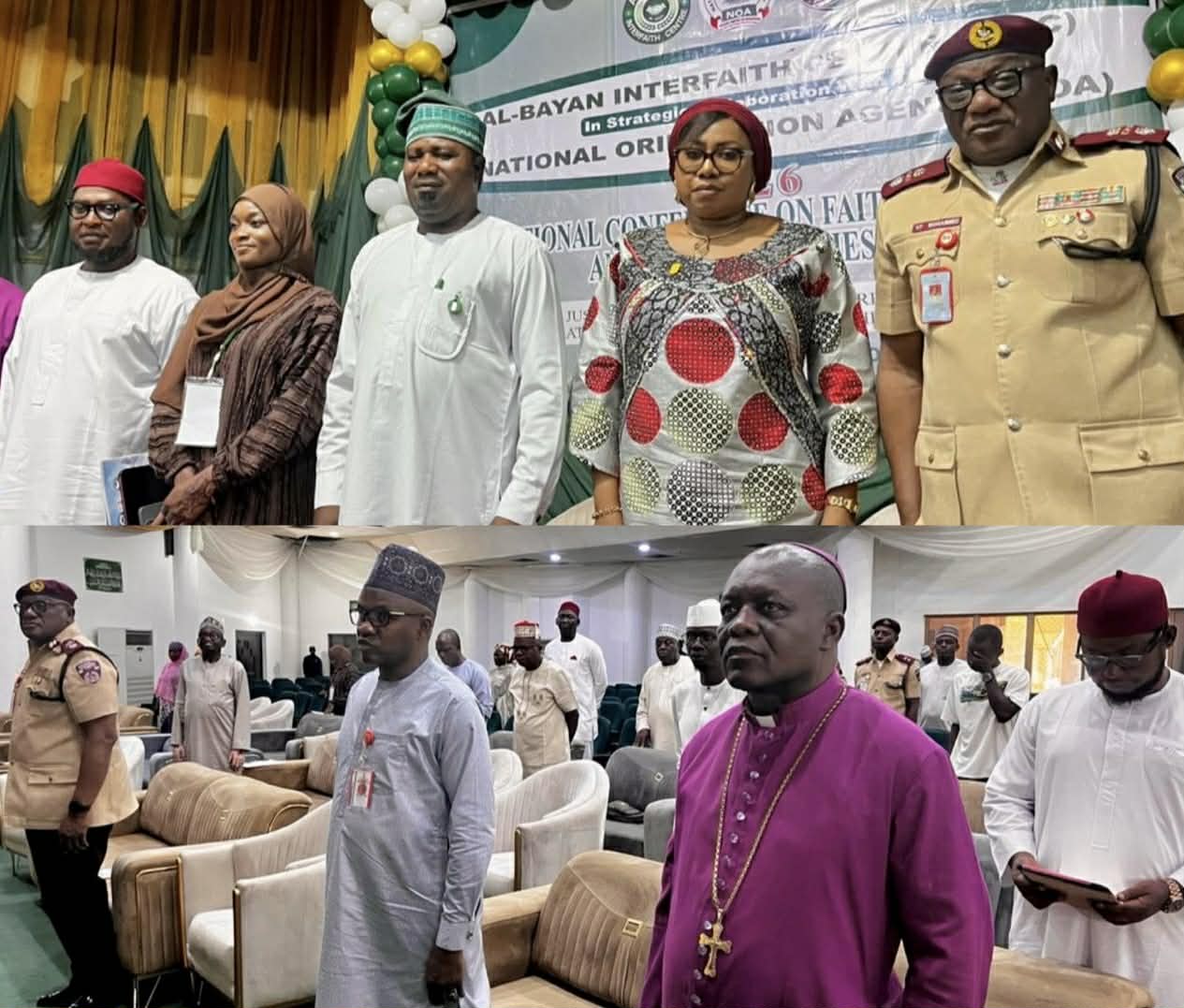
National Conference on Peace and Security Holds in Abuja, Spearheaded by Al-Bayan Centre
As extremism and political manipulation threaten Nigeria’s fragile peace, faith leaders warn the country cannot survive without truth, justice and dialogue.
By Abdullahi Yusuf
Nigeria’s religious leaders, government officials, and security experts have called for a renewed commitment to truth, justice, and dialogue as essential tools to tackle rising insecurity, extremism, and social divisions.
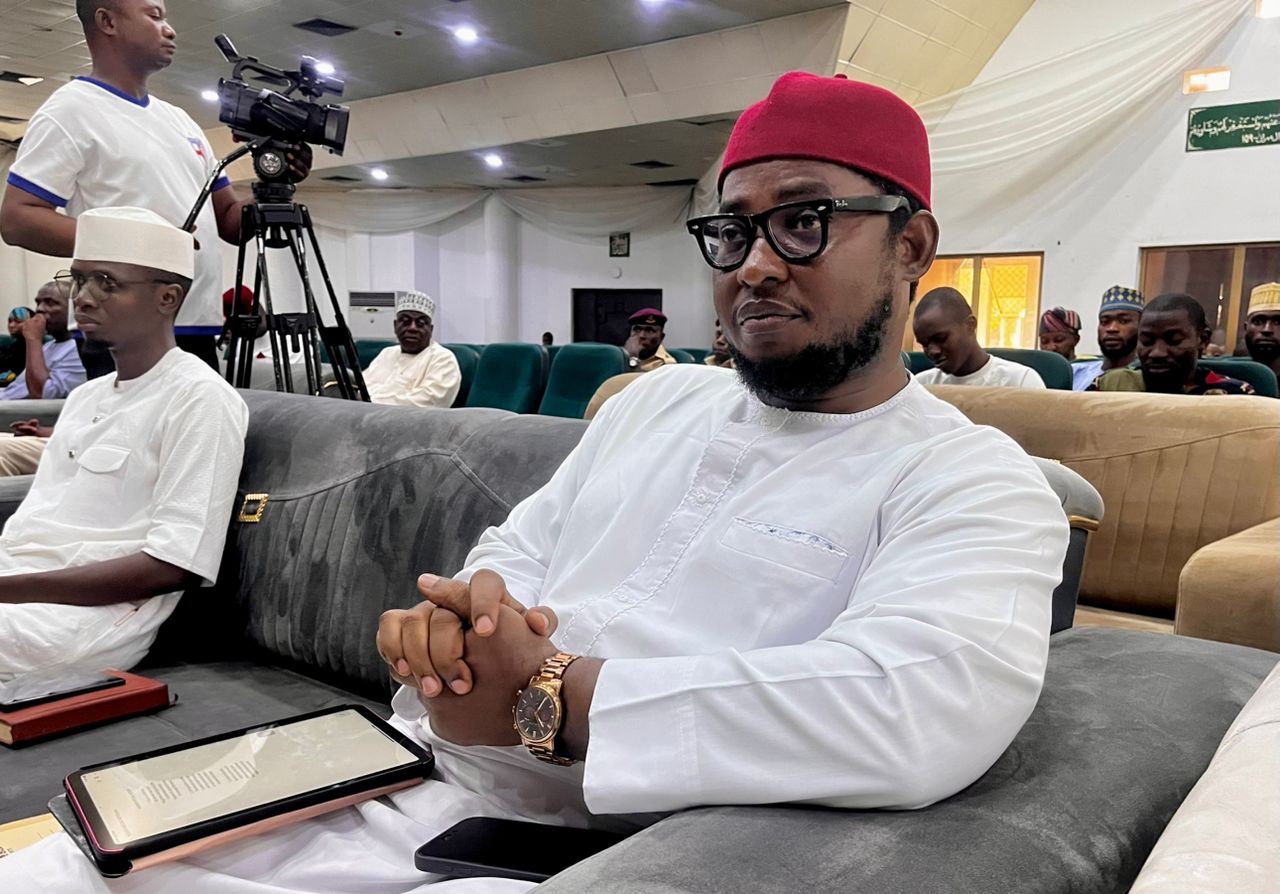
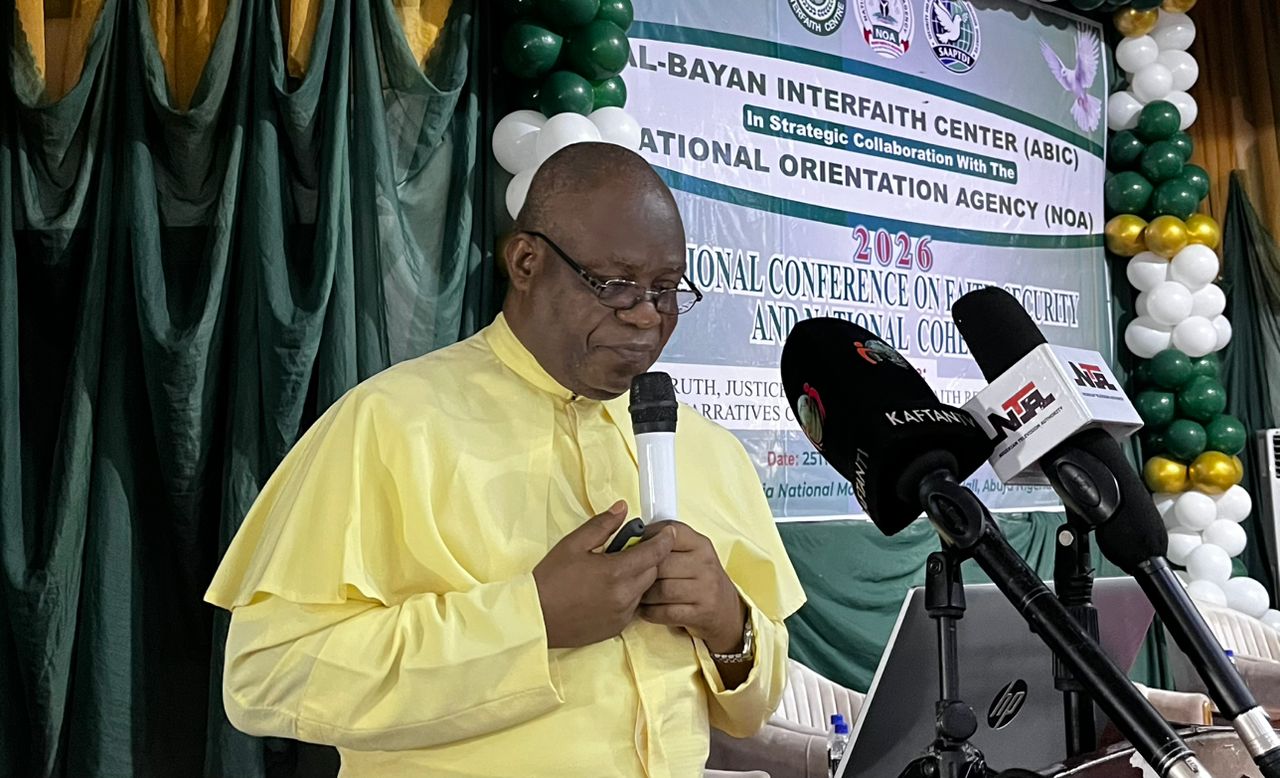
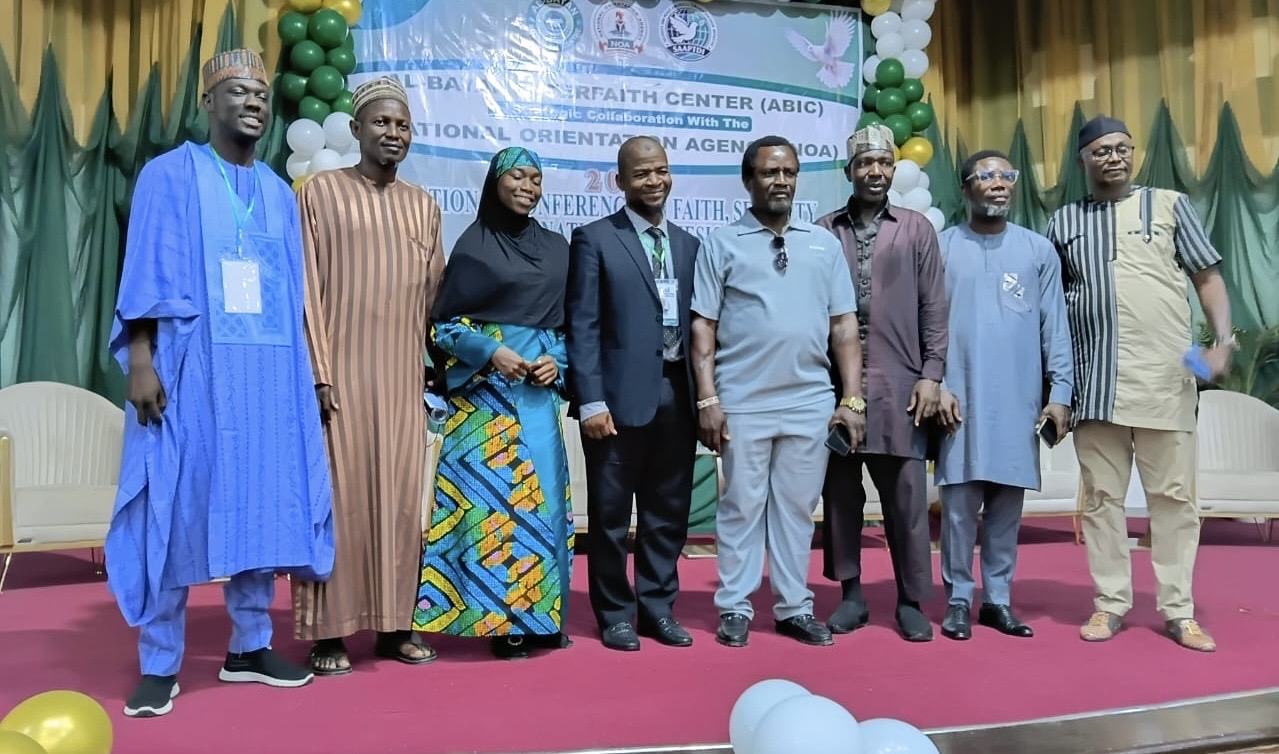
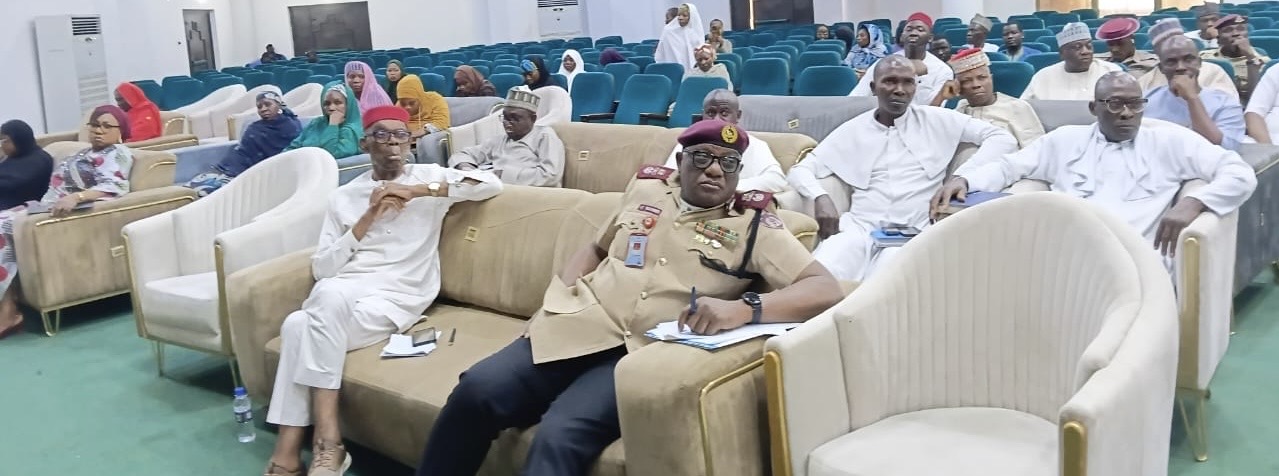
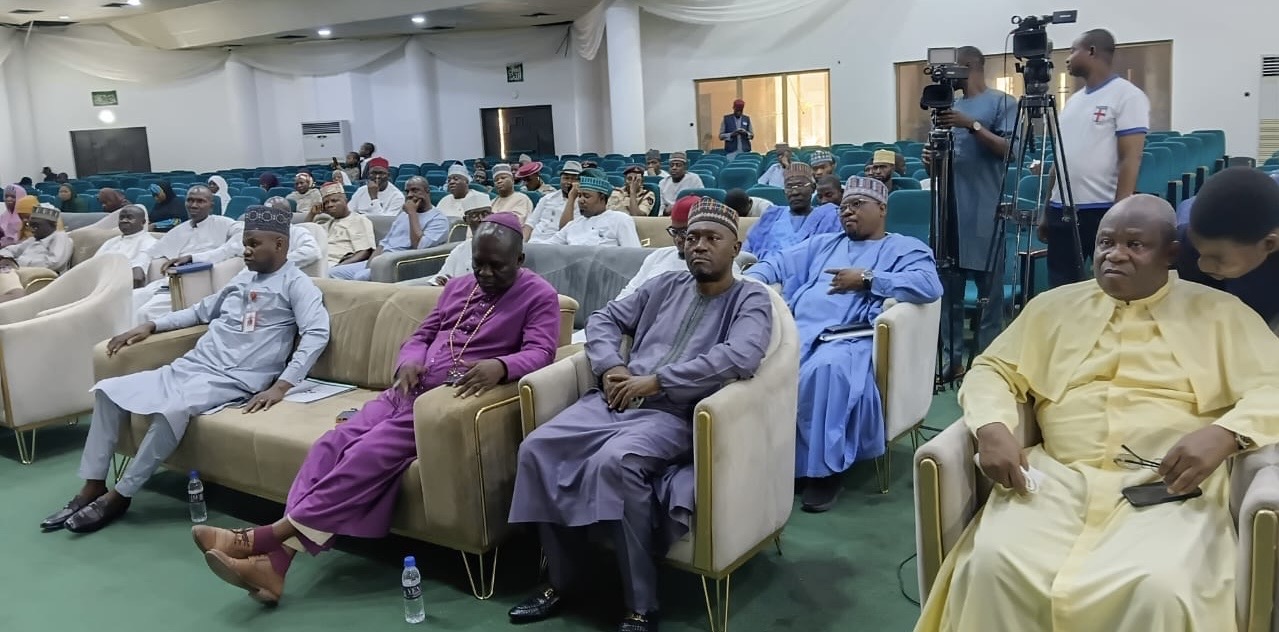
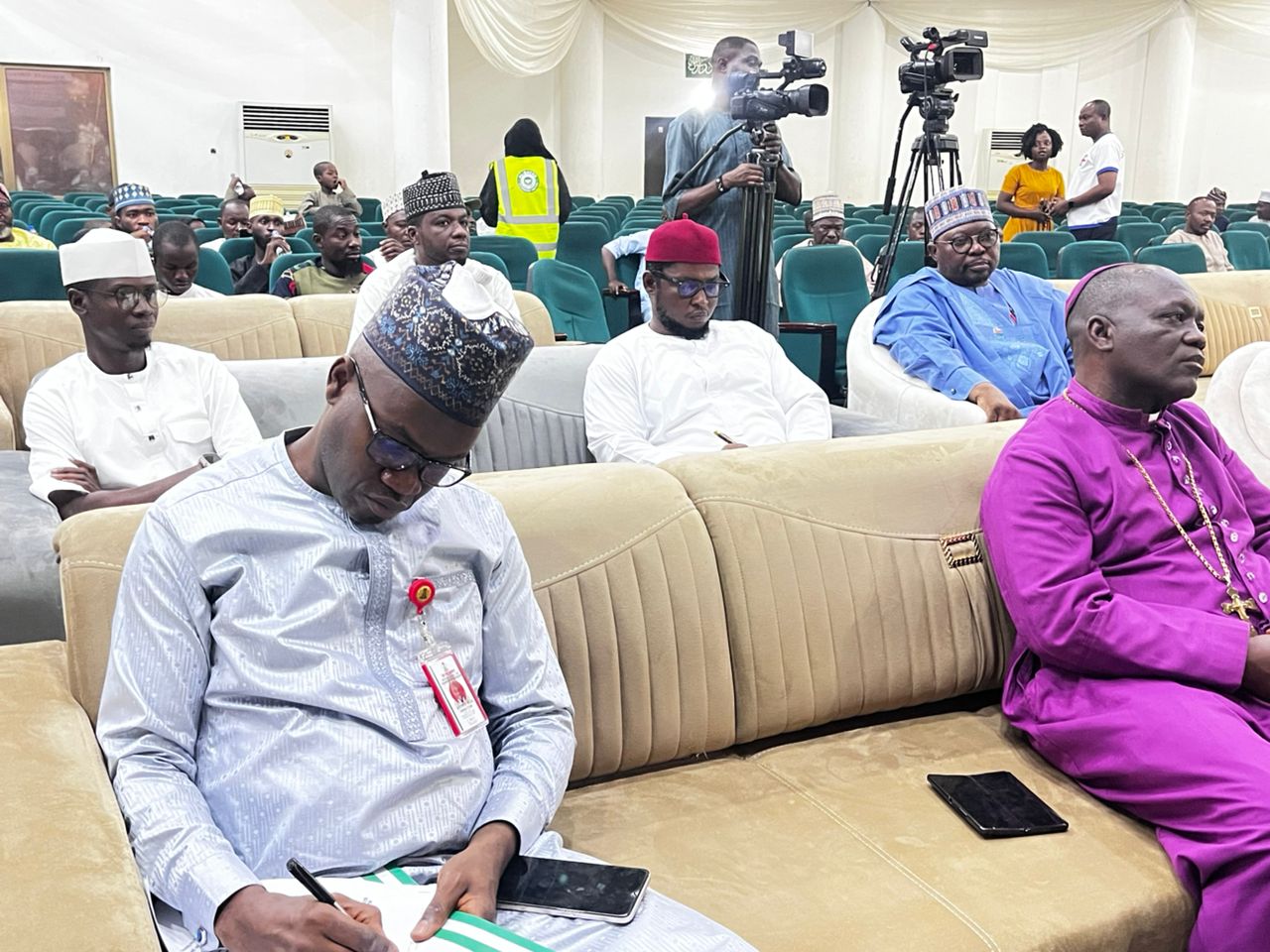
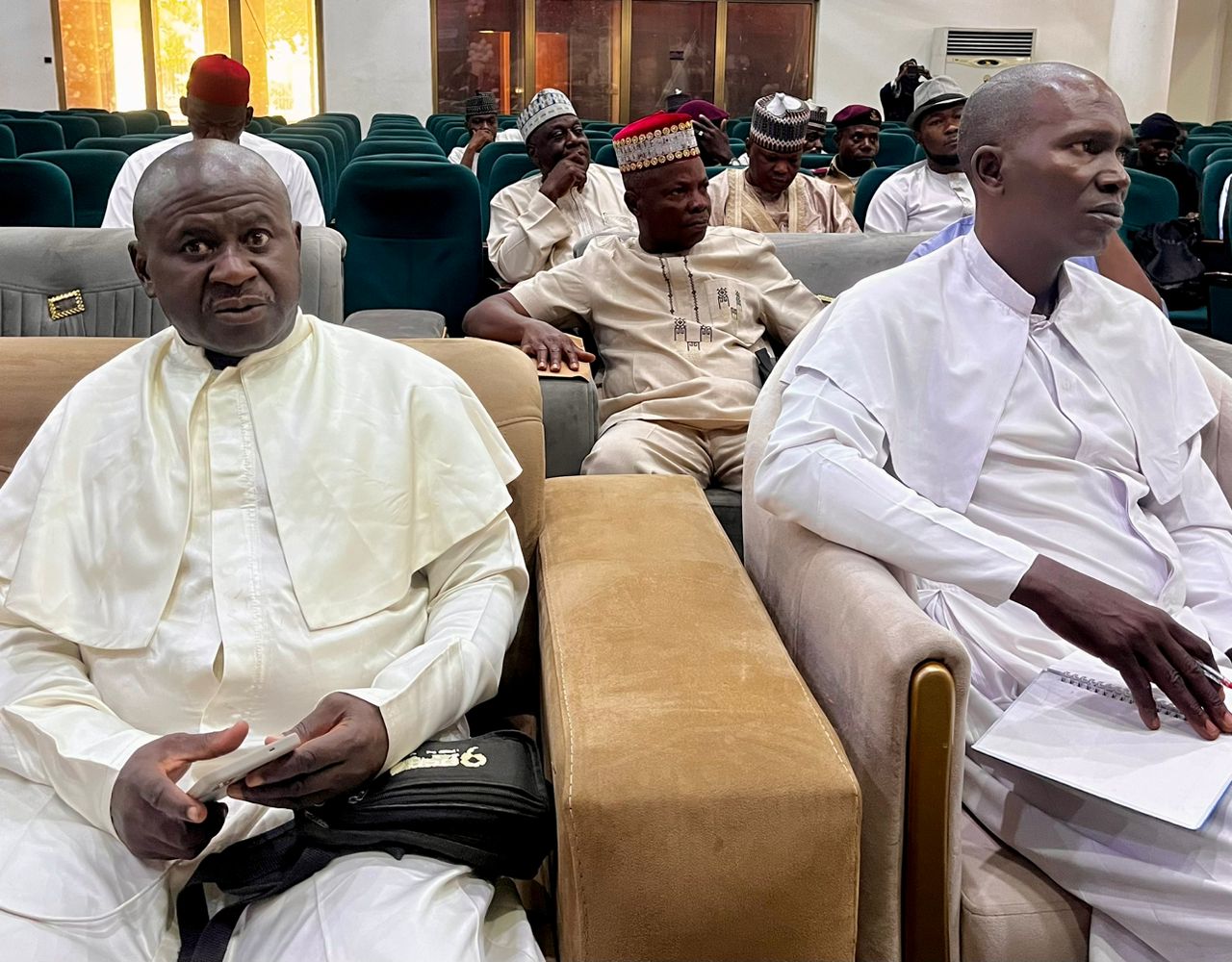
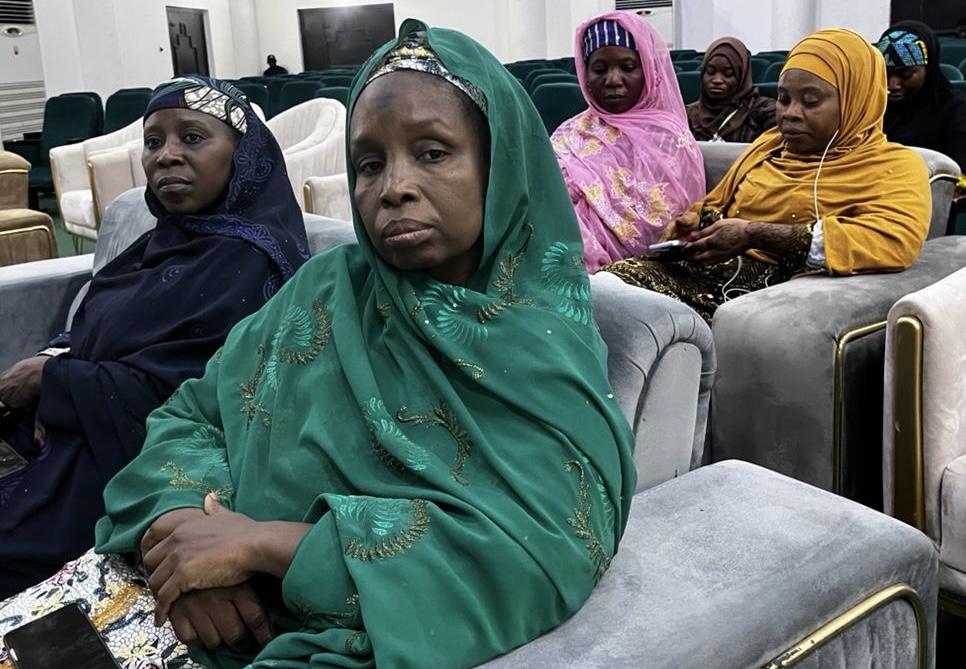
The SAAPTDI National Conference on Faith, Security and National Cohesion, held at the National Mosque in Abuja and organised by the Al-Bayan Interfaith Centre, brought together a cross-section of stakeholders, from policymakers and academics to faith leaders and civil society actors, to explore how faith and ethical leadership can support national peace and social cohesion.
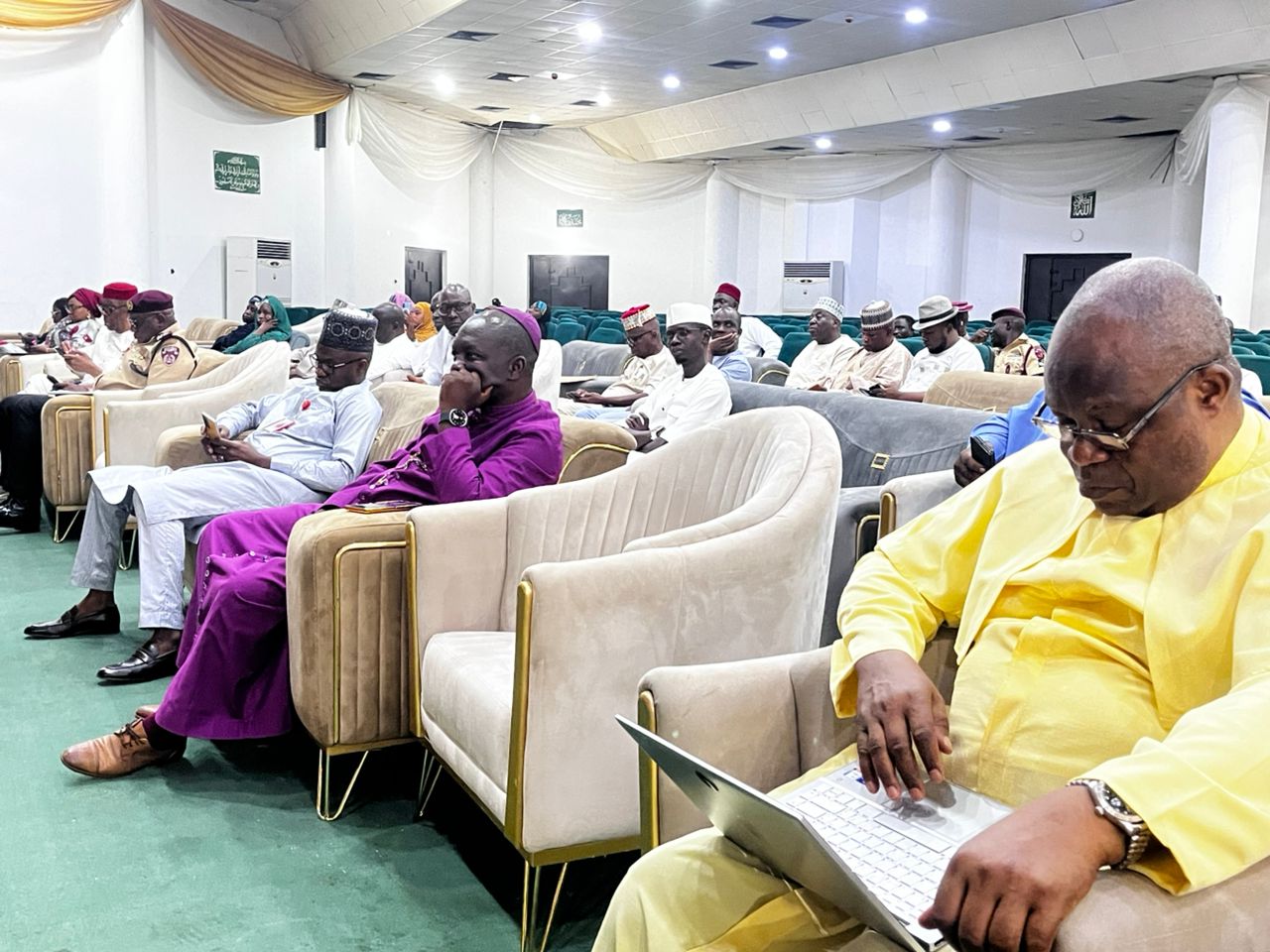
Against the backdrop of growing religious tensions, youth unrest, and extremist threats, speakers present warned that Nigeria’s diverse faith landscape, while a source of national strength, has at times been manipulated to serve political and violent agendas.
In a paper presentation, Imam Haroun Eze Muhammed of the National Mosque framed the dialogue around “truth, justice, and peace: interfaith reflections on national healing in Nigeria.” Describing the gathering as “urgent and timeless,” he stressed the moral and spiritual responsibilities of faith leaders beyond ceremonial engagement.
Imam Eze highlights the necessity of truth as the foundation of reconciliation, warning that misinformation and distorted narratives often precede violence. Drawing from both Qur’anic and Biblical teachings, he argued that justice and compassion should guide national policy, rejecting any justification of wrongdoing in the name of faith. He delivered a pointed rebuke of extremism: “Extremism is not Islam… Islam is a religion of moderation.”
Also addressing the conference, Reverend Cornelius Afebu, Secretary of the Inter-religions Council, framed dialogue as both a spiritual and intellectual tool for national stability. Drawing on African philosophy, Socratic principles, and Abrahamic traditions, he emphasised the “heart and mind”approach, where sincerity, courage, and moral reasoning underpin interfaith communication. He stressed that dialogue must go beyond rhetoric: “Dialogue is not indoctrination. It requires intelligence, wisdom, and a sincere heart open to others.”
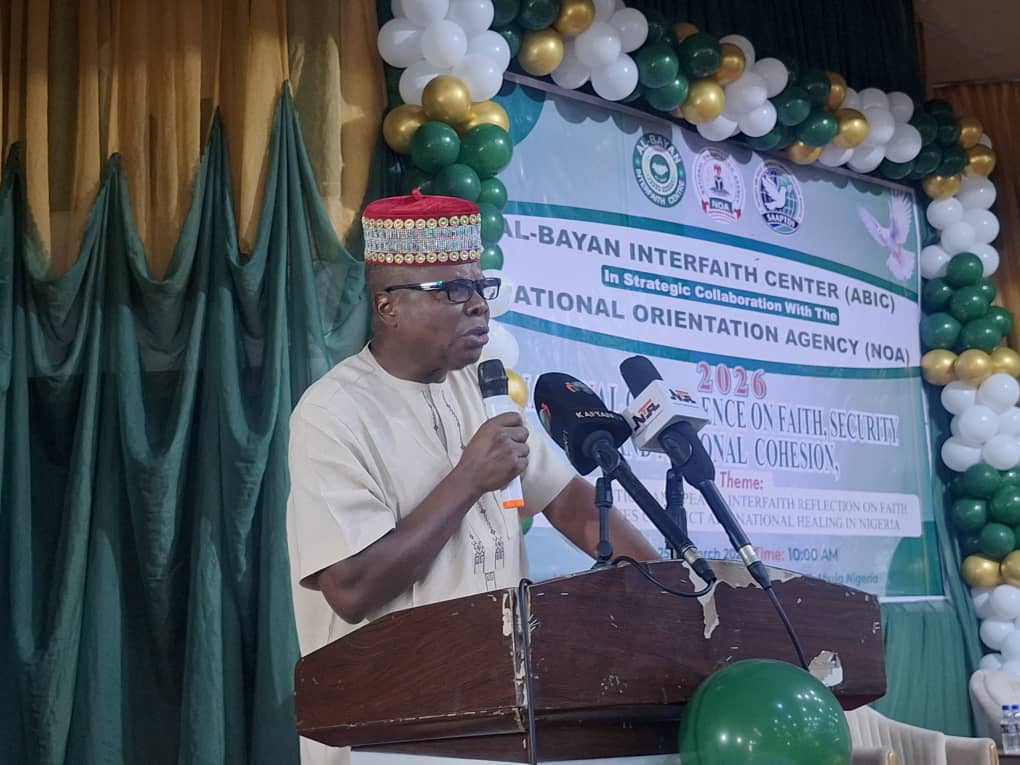
Professor Augustine Uwakwe, Pro Chancellor of Gregory University, Uturu, Abia State, warned against ignorance, misinformation, and political manipulation of faith. He stressed that religious identity alone does not equate to true understanding, and that misinformed communities risk division and hostility.
The professor outlined three universal principles central to national healing: truth, justice, and peace. He called for accountability across governance structures and religious institutions, arguing that selective loyalty and fear-driven narratives hinder societal cohesion. “Peace is not silence or mere coexistence. It is reconciliation, harmony, and the restoration of dignity.”
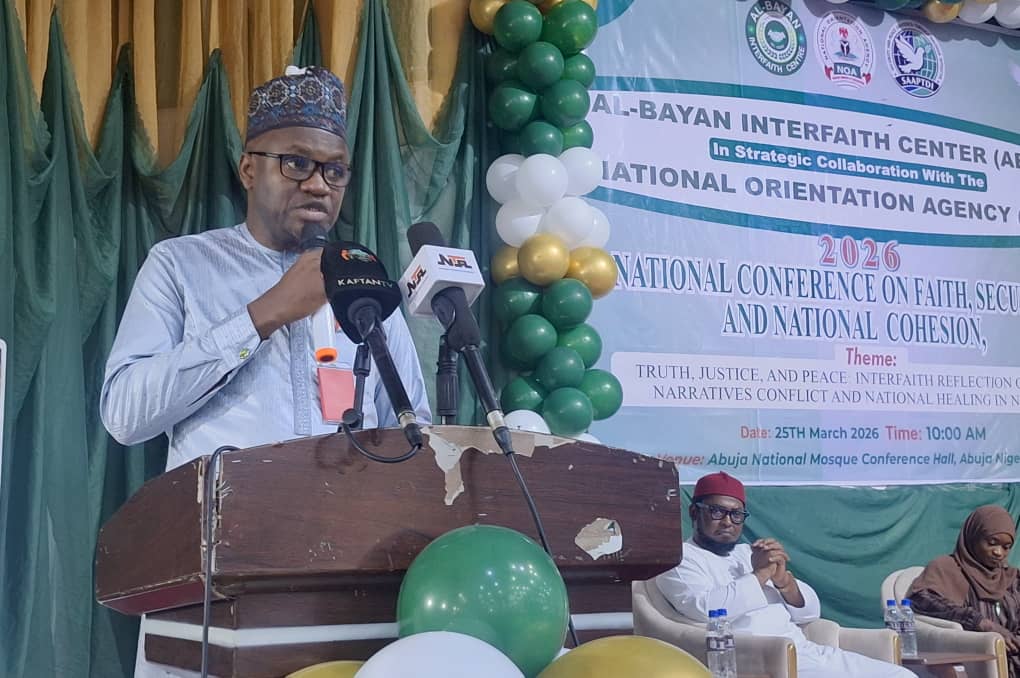
Representing the Secretary to the Government of the Federation, Bashir B. Musa reiterated the Nigerian government’s commitment to interfaith harmony and inclusive governance. He highlighted moral leadership and collaboration between government, faith institutions, and civil society as essential to sustainable peace.
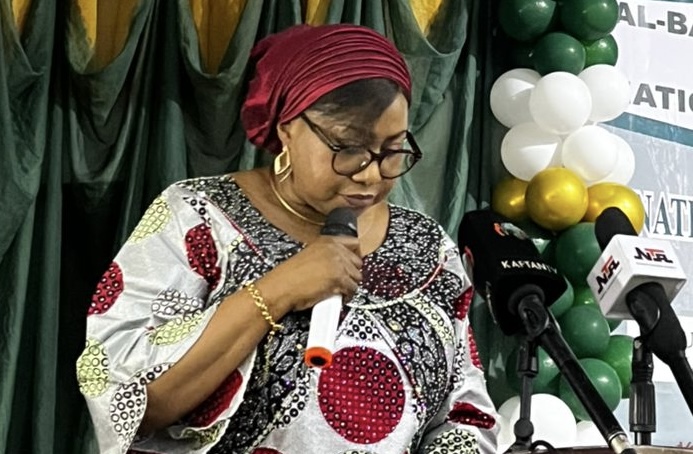
Ambassador Abimbola B. Wonosikou, mni, Director of Preventing and Countering Violent Extremism at the National Counter Terrorism Centre, highlighted the importance of non-kinetic strategies in addressing Nigeria’s security challenges. She stressed that extremism cannot be defeated by force alone, pointing to social, ideological, economic, and psychological drivers behind radicalisation. Wonosikou underlined the critical role of religious leaders as “custodians of moral authority” who can counter extremist narratives, promote national healing, and support rehabilitation and reintegration programmes. She described interfaith engagement as a cornerstone of conflict prevention and national cohesion.
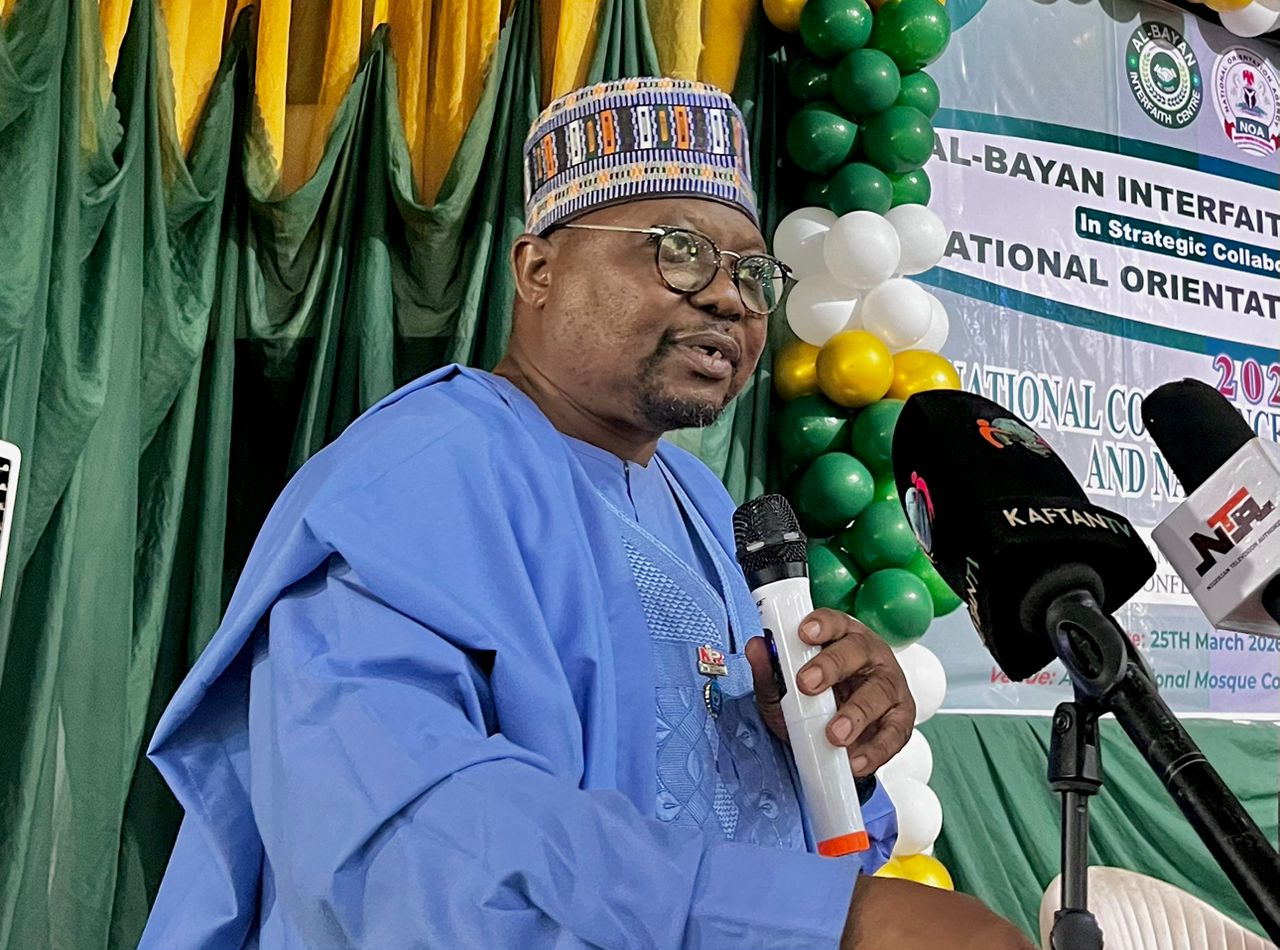
Veteran journalist Dr. Muhammad Kudu Abubakar delivered a pointed critique of Nigeria’s media ecosystem, warning that sensationalist reporting and misinformation exacerbate insecurity and religious tensions. He stressed the adoption of peace journalism, fact-checking, and counter-narrative campaigns, urging media, civil society, and interfaith organisations to collaborate in promoting responsible communication. “National cohesion depends heavily on responsible media practice… without deliberate reforms, information platforms risk becoming catalysts for conflict,” he concluded.
Panelists interrogated the paradox of faith spaces sometimes being linked to actors undermining societal values. Discussions addressed insurgency, youth vulnerability, and the role of governance in fostering or obstructing peace. Participants argued that structural inequalities, unemployment, and exclusion heighten the risk of radicalisation.
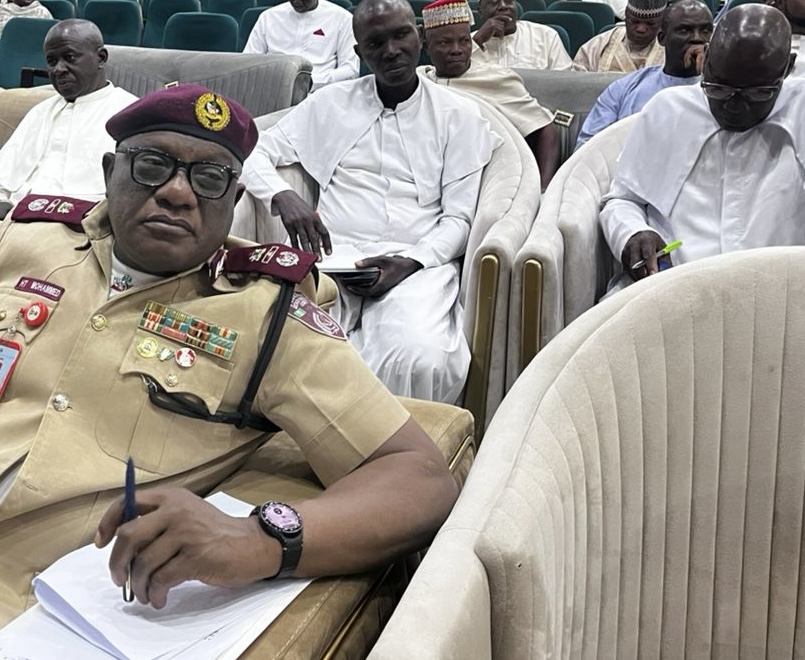
Assistant Corps Marshal Hafiz T. Muhammad spoke in a side interview about the path forward, stressing the centrality of dialogue and advocacy in building national harmony. “True harmony comes through consistent advocacy,” he said. “From all the papers presented at the conference, both faiths have preached non-violence and dialogue. Where people feel marginalized or excluded, dialogue offers a way to address grievances. Civil society groups must remain active advocates of peace education, so citizens understand their rights and responsibilities, and can embrace dialogue when resolving conflicts or misunderstandings.”
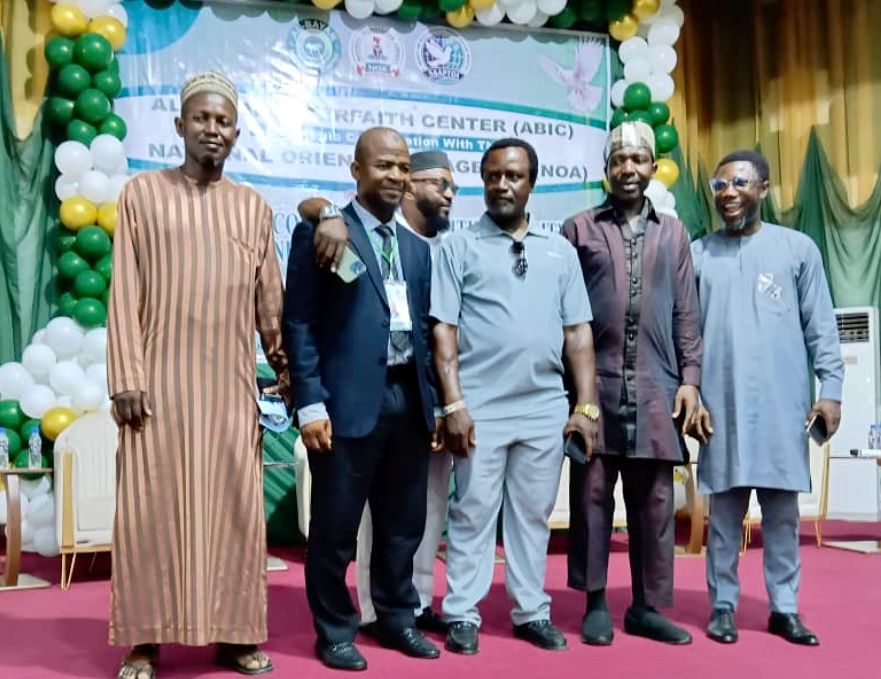
The forum concluded with a collective call for shared responsibility: individuals, faith institutions, civil society, and government must collaborate to build national cohesion. “Truth, justice, and peace are inseparable pillars of a stable society,” a panelist noted.
The gathering ended with a unified message: national cohesion cannot be achieved through policy alone but through consistent action, ethical leadership, and the active involvement of all Nigerians in promoting justice, peace, and unity.
SPONSORED

SPONSORED
