
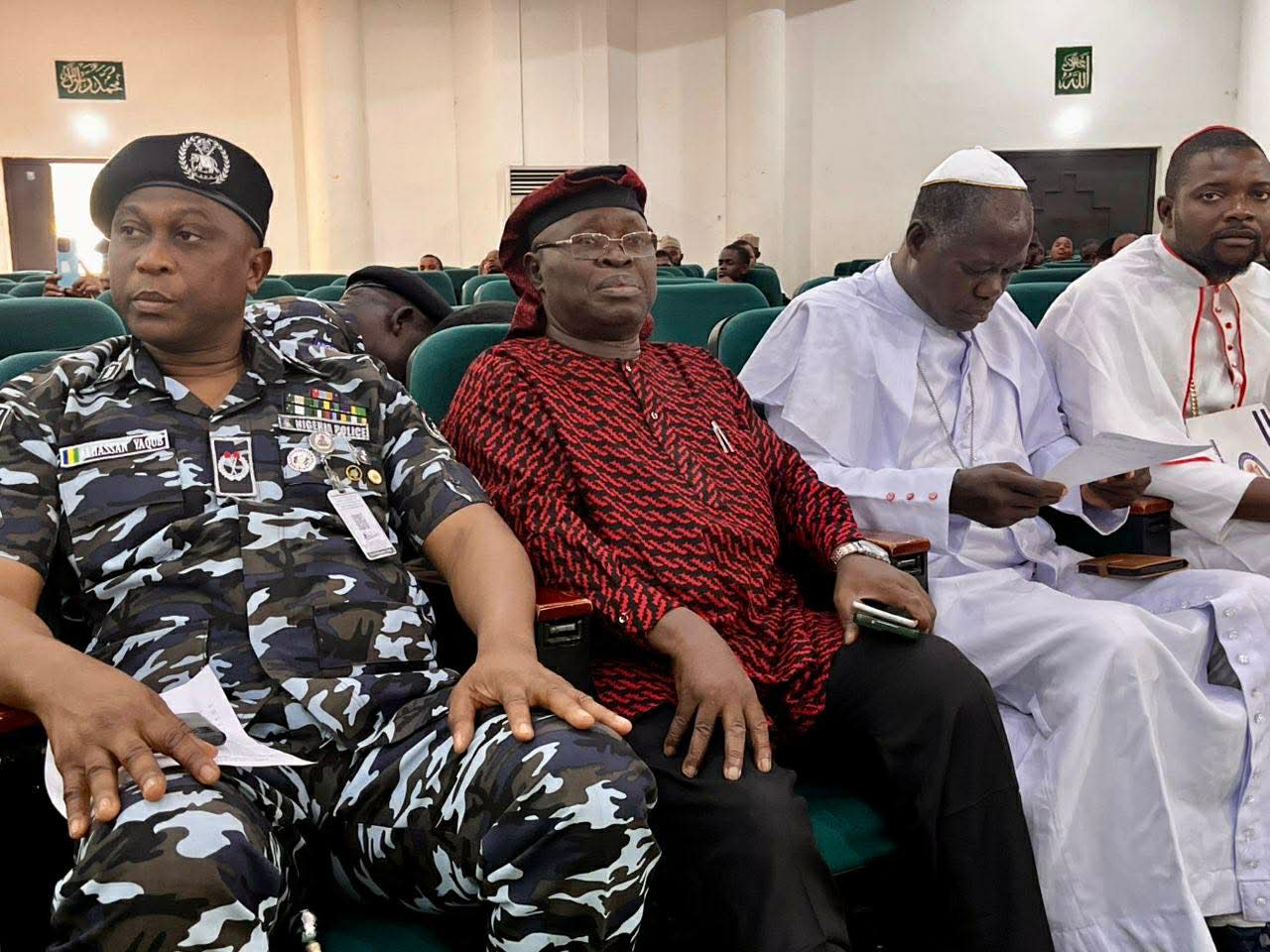
MURIC calls for collective action on insecurity, drug abuse in Nigeria
At a public lecture in Abuja, Muslim Rights Concern (MURIC) said Nigeria’s worsening violence and substance abuse stem from leadership failure, poverty and moral decay, calling for collective action beyond religious divides.
By Abdullahi Yusuf
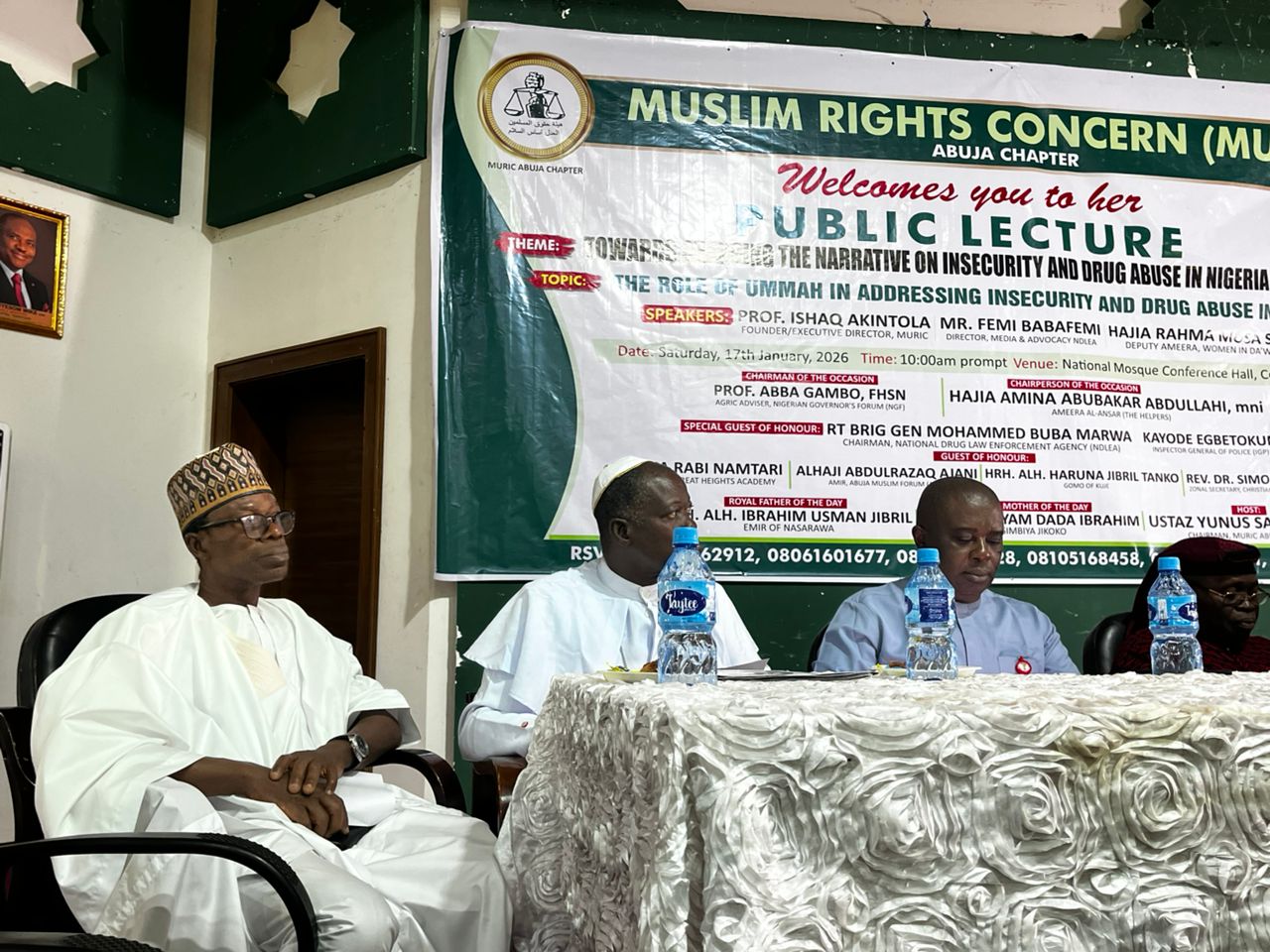
The Abuja chapter of the Muslim Rights Concern (MURIC) has called on Nigerians, particularly the Muslim community, to shift the national narrative on insecurity and drug abuse and to work collectively toward solutions.
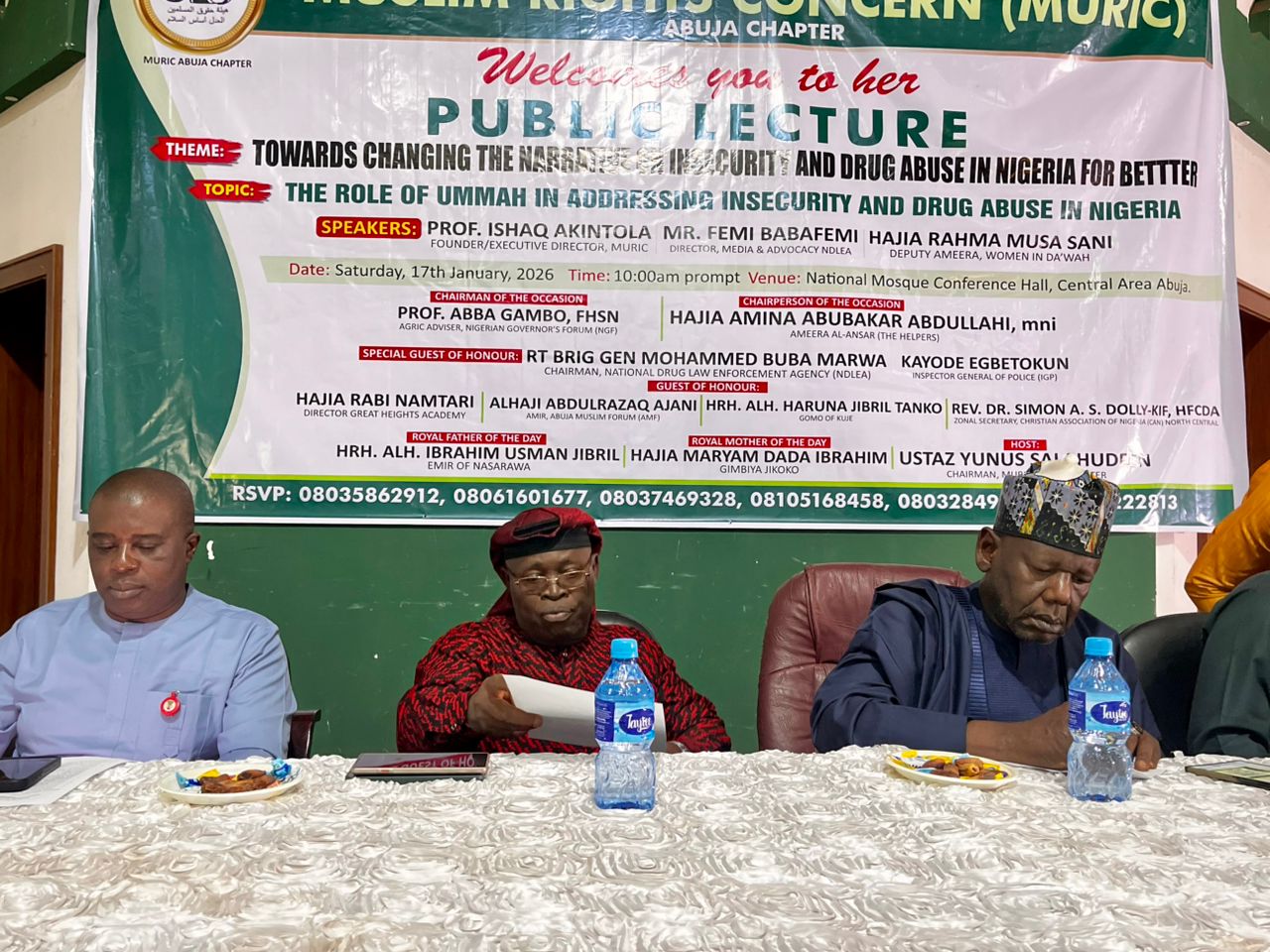
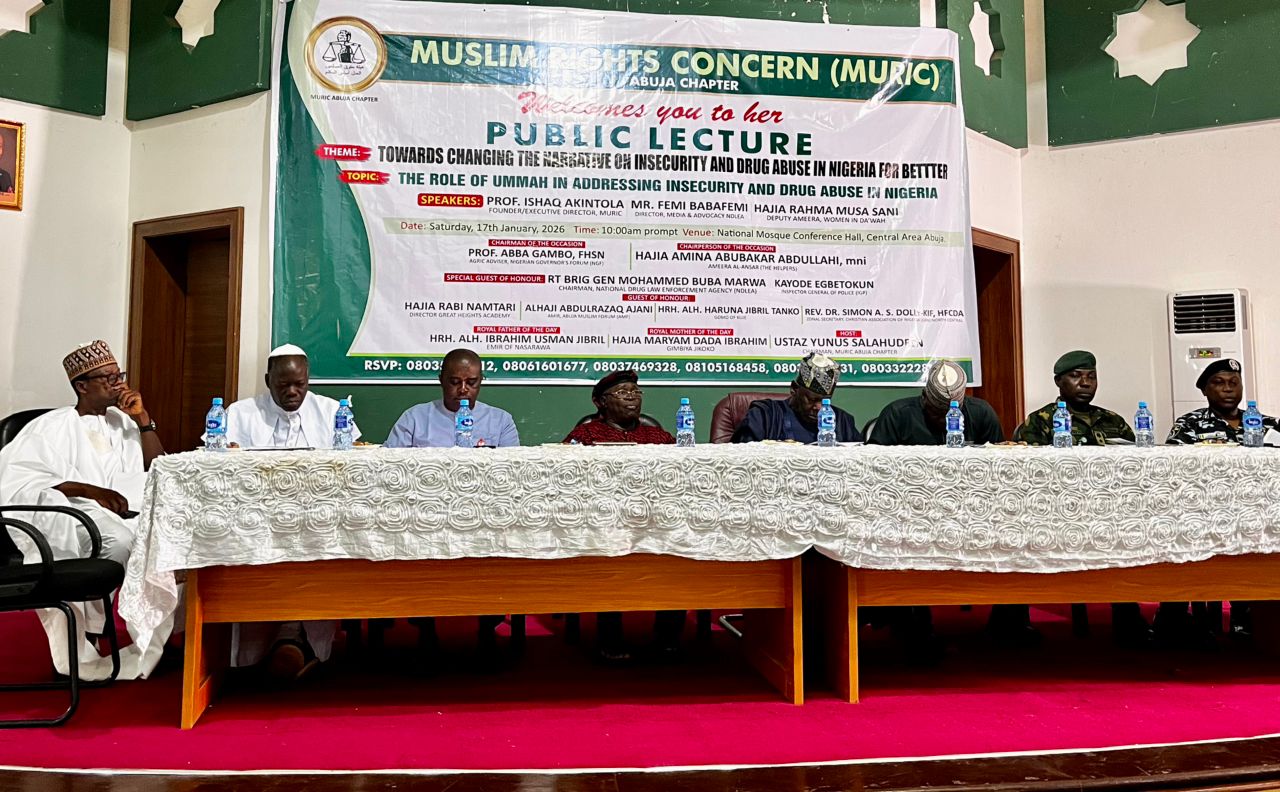
The appeal was made at a public lecture held in Abuja under the theme “Towards Changing the Narrative on Insecurity and Drug Abuse in Nigeria for Better,” with the topic “The Role of Ummah in Addressing Insecurity and Drug Abuse in Nigeria.”
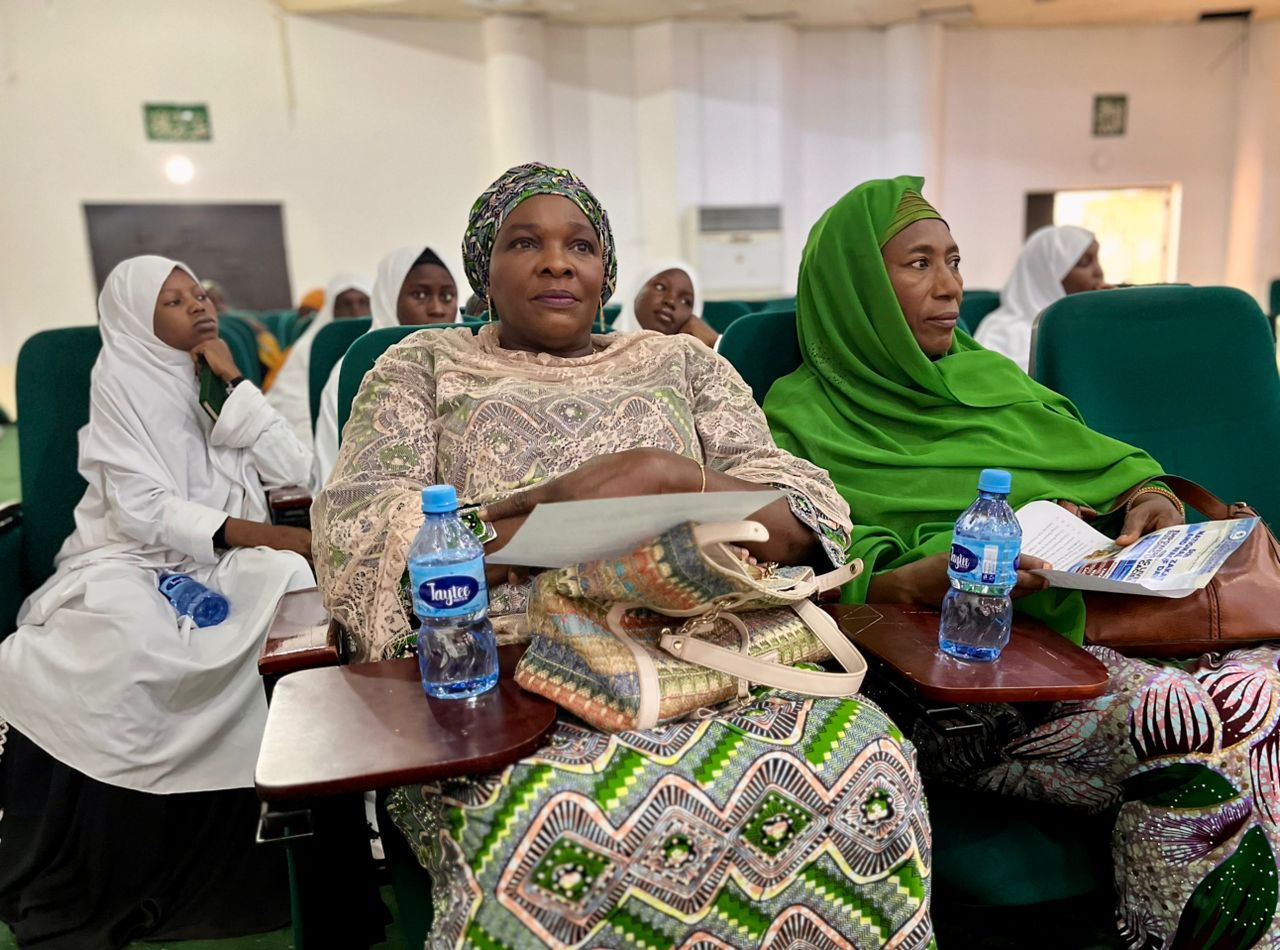
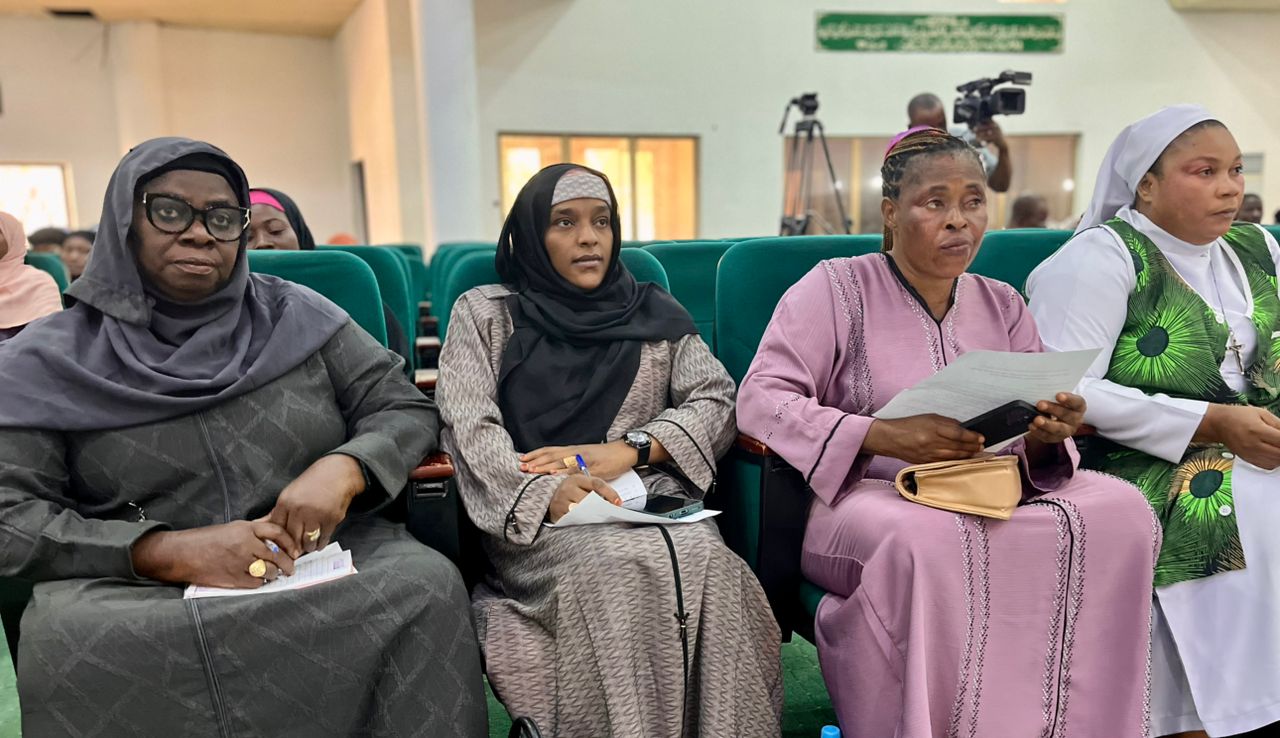
Peace Magazine learned at the event that representatives of security agencies, religious bodies and civil society organisations used the forum to publicly reaffirm commitments to counter insecurity and drug abuse through coordinated community engagement.
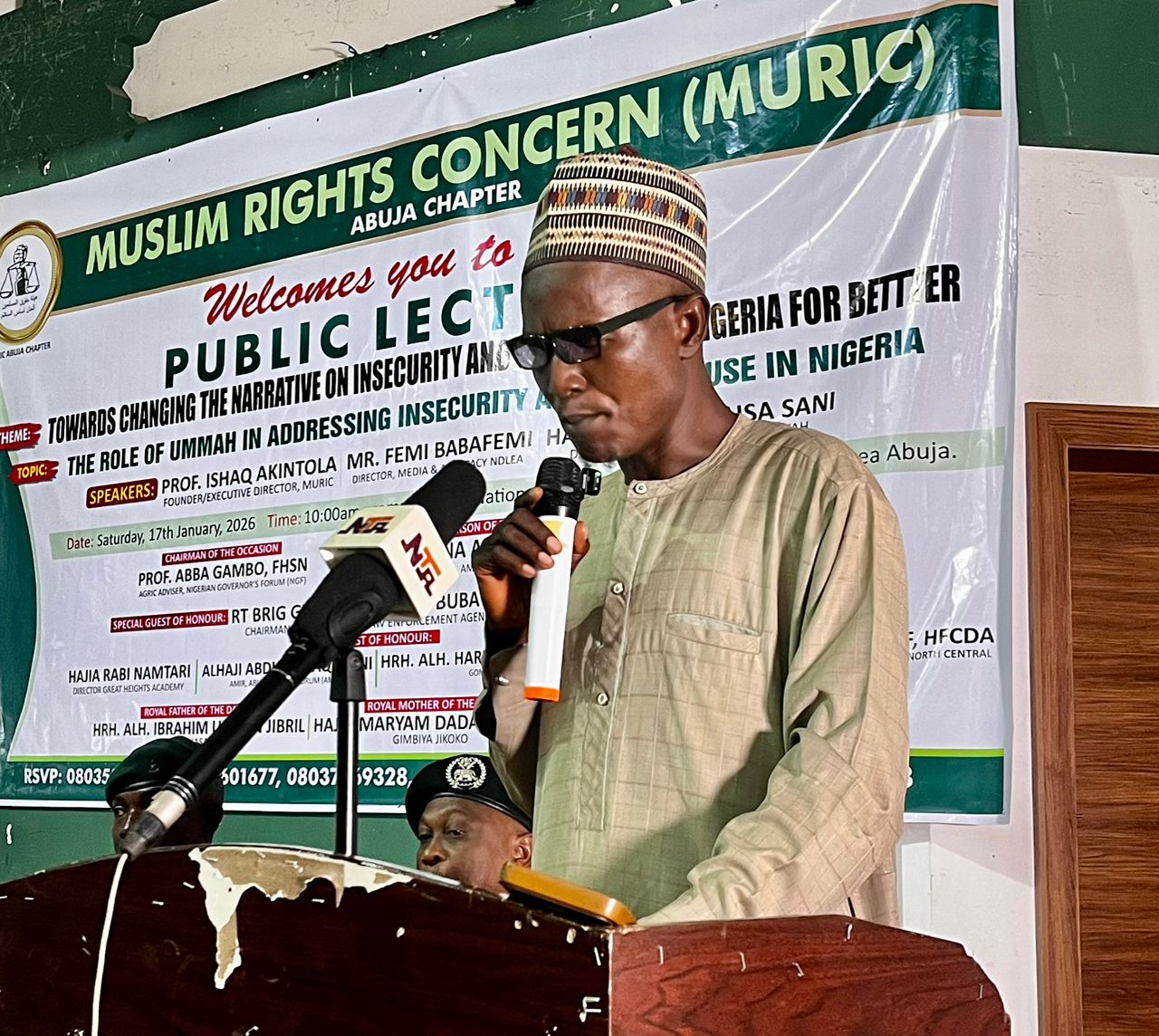
Ustaz Yunus Salahudeen, chairman of MURIC’s Abuja chapter, opened the event by describing insecurity and drug abuse as pressing challenges affecting families and communities across Nigeria. He said the lecture aimed to spark collective action rather than mere discussion.
“A problem identified should be a problem solved,” Salahudeen said, adding that the insecurity crisis ‘including insurgency, banditry and kidnapping’ has created fear nationwide. He noted that drug abuse has contributed to crime, health issues and broken families, while making youths vulnerable to recruitment by criminal groups.
Salahudeen announced plans to expand the campaign to Abuja’s six area councils, partnering with government agencies, religious institutions and community organizations. He said the initiative would support rehabilitation programs for drug addicts and emphasised that the community must act rather than wait for external solutions.
“Allah will not come down to change our situation until we persevere towards changing the narrative for better by ourselves,” he said.

Professor Abba Gambo, agricultural adviser to the Nigeria Governors’ Forum, delivered a speech detailing his personal experience with Boko Haram. He said the insurgency has claimed the lives of 47 members of his royal family since it began nearly 16 years ago, describing it as a personal tragedy.
“These are things that are man-made… and these are things that can be controlled by man,” Gambo said, urging community leaders and security forces to remain vigilant as a new generation emerges within the insurgency.

Professor Ishaq Akintola said corruption and poverty are root causes of Nigeria’s security crisis. He accused politicians of diverting funds meant for arms procurement and said the military lacks adequate weapons and ammunition.
Akintola cited alleged diversion of $2.1 billion in 2015 and said that economic hardship, unemployment, and drug abuse have intensified violence. He added that extremist groups also target Muslims and are contrary to Islamic teachings.
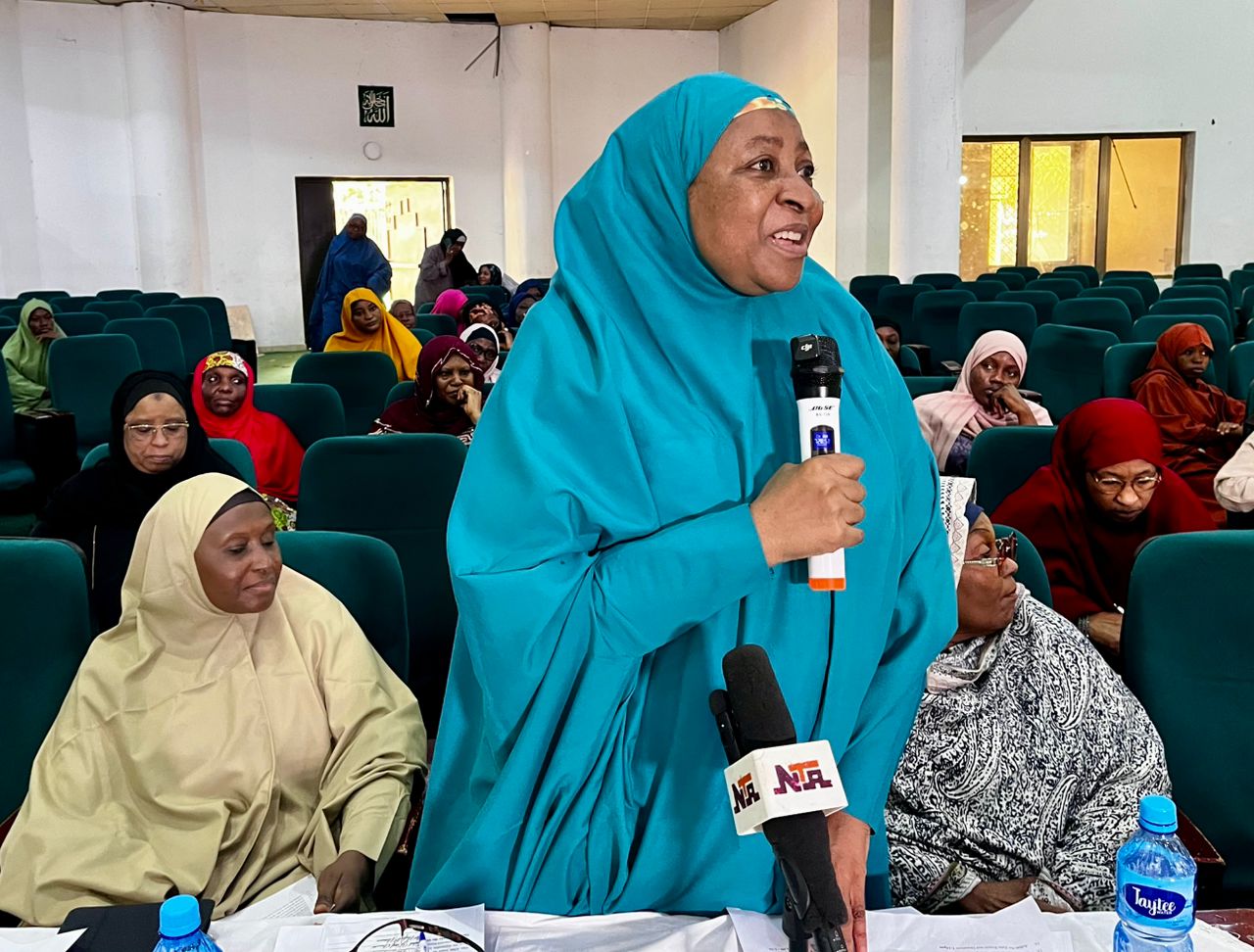
Hajiya Amina Abubakar Abdullahi, chairperson and Ameera of Al-Ansar, said the crisis is man-made and is spreading because of drug abuse. She warned that women and children are bearing the brunt of the conflict.
“Most of what is happening is directly related to drug abuse,” Abdullahi said, adding that people in their right minds would not commit such atrocities. She urged Nigerians to stop relying on foreign intervention and to address the crisis internally.
Abdullahi also stressed national unity, saying Nigeria belongs to all citizens regardless of religion or ethnicity. She recounted meeting widows and children in Maiduguri who were left without support after attacks.
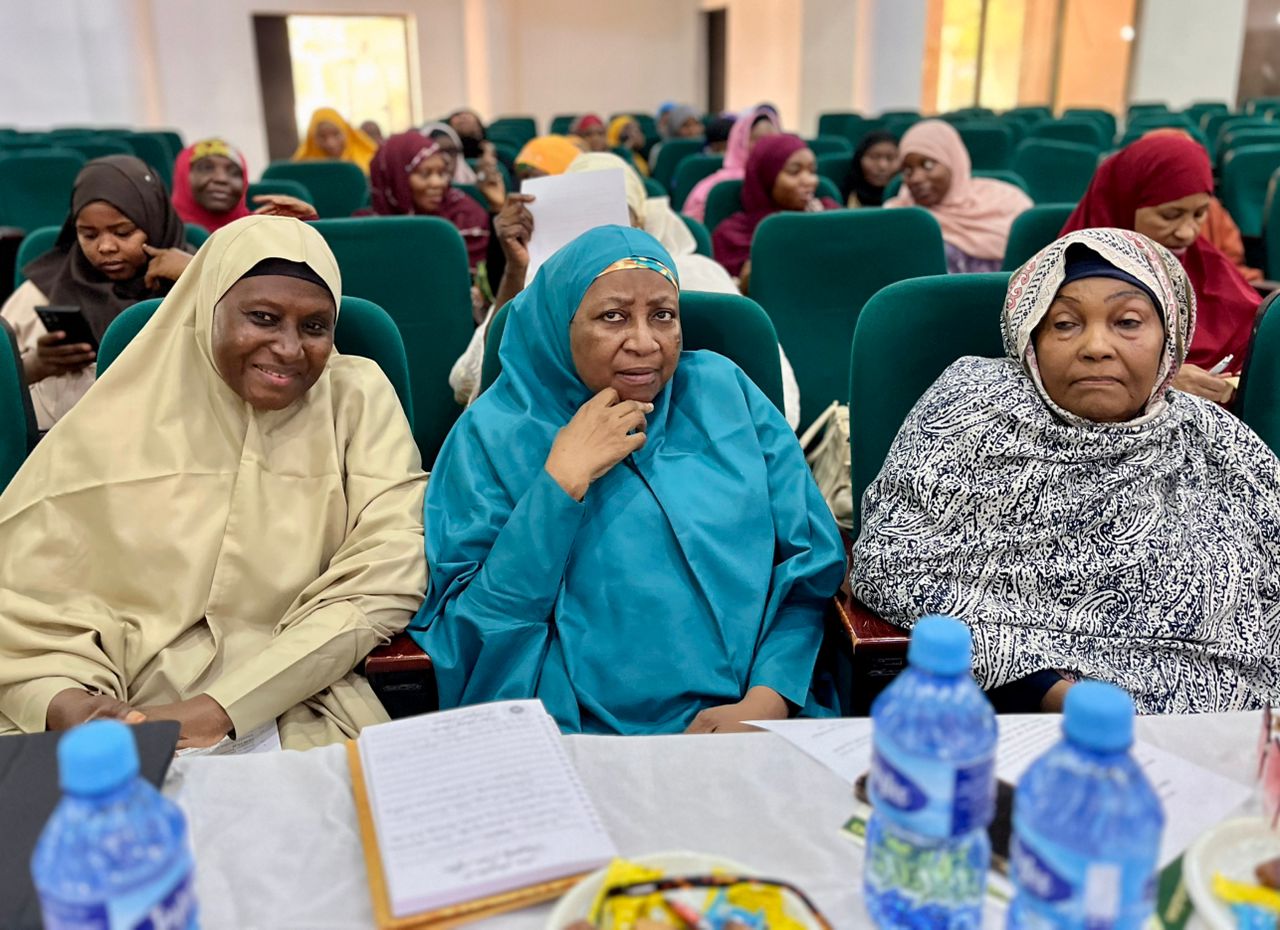
Hajia Maryam Dada Ibrahim, Royal Mother of the Day, urged Nigerians to restore unity and moral values, citing the Qur’an’s call to hold firmly to Allah’s rope and avoid division. She said insecurity and drug abuse thrive where youth lose hope and families are strained.
“Division weakens societies; unity strengthens them,” Ibrahim said, urging the Ummah to protect youth through guidance, compassion, and opportunity.

Hajiya Rahmatu Musa Sani urged the Muslim community to confront rising drug abuse, describing it as a moral and spiritual crisis. She said substances such as tramadol, codeine, and cannabis destroy families and faith, making youth vulnerable to recruitment by deviant groups.
Sani called for education, family support, rehabilitation, and community-based solutions, urging religious leaders to monitor youth and offer compassionate support to addicts.
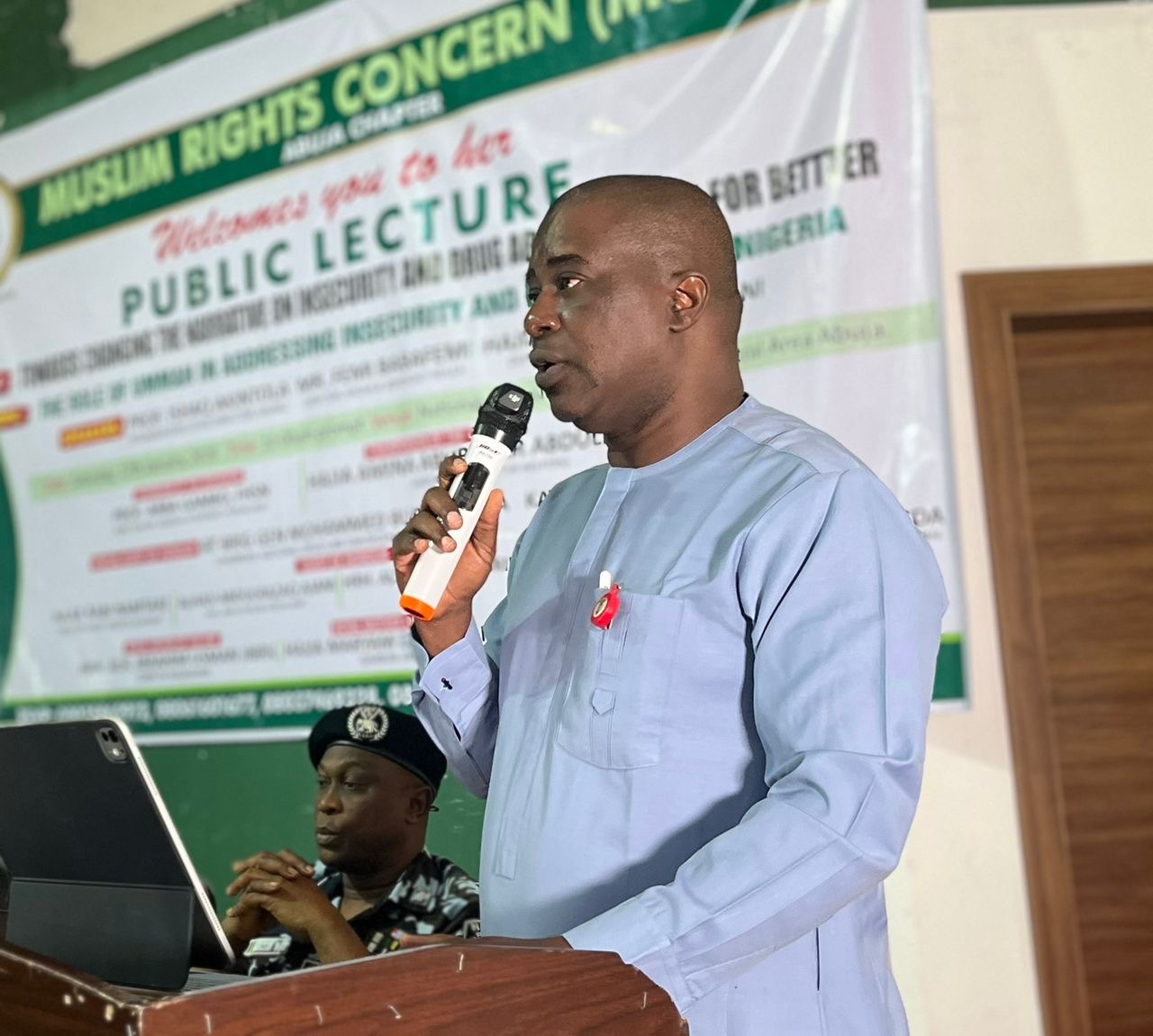
Mr. Femi Babafemi, director of media and advocacy at the National Drug Law Enforcement Agency (NDLEA), called on religious leaders to support the agency’s fight against drug abuse.
Babafemi said the NDLEA arrested 19,944 people and seized over 4.9 million kilograms of illicit substances in the past year, adding that 10,395 drug users received treatment and rehabilitation.
He called for a “people’s war” against drug dealers and traffickers, urging communities to support prevention and moral guidance efforts.
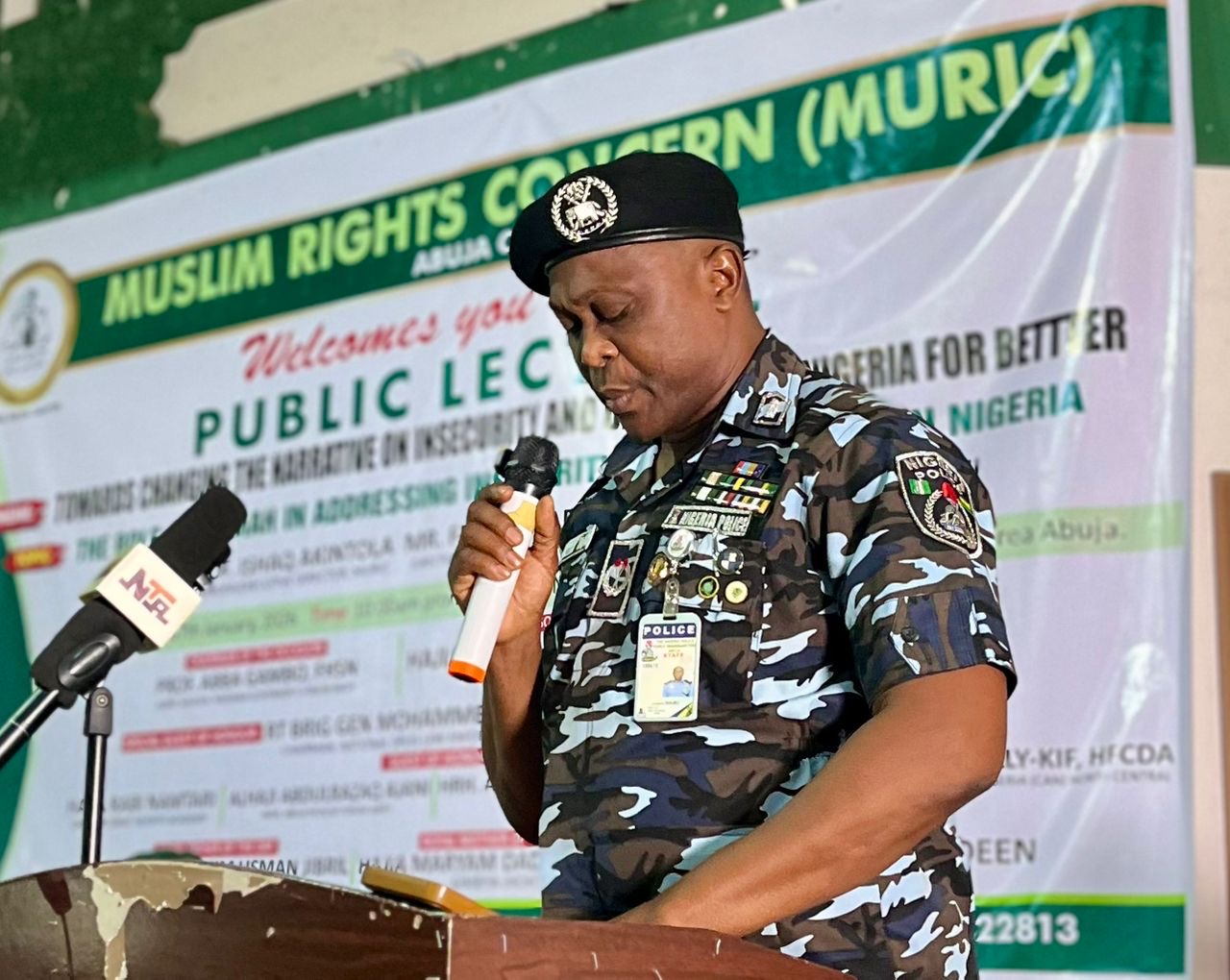
The Inspector-General of Police, Kayode Egbetokun, expressed support for initiatives addressing insecurity and drug abuse, describing them as among the most pressing challenges facing Nigeria.
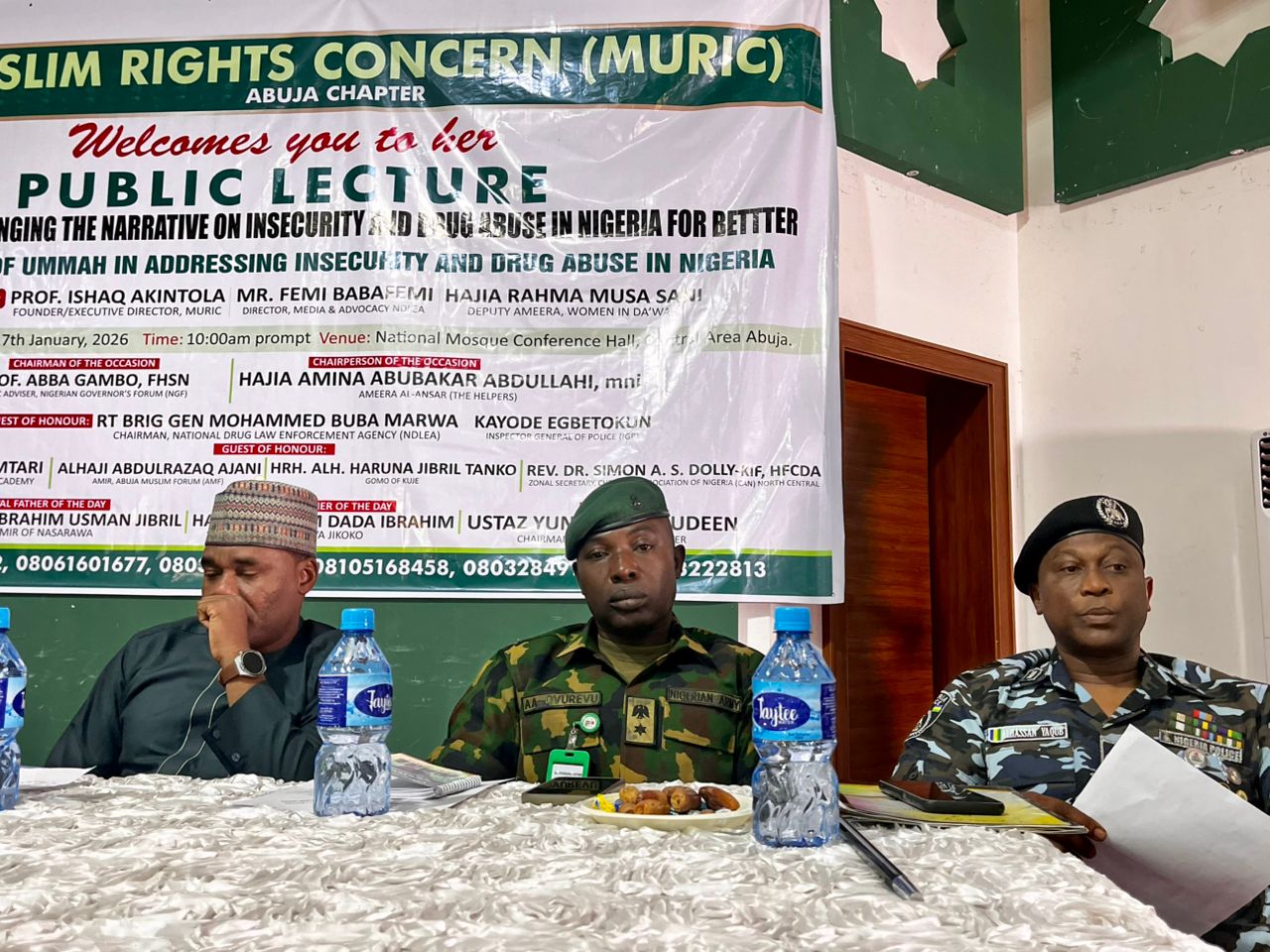
In a message delivered by Dr. Alhassan Yakub, the police chief said the force was working with other agencies to combat insurgency, banditry and kidnapping, and welcomed the role of religious organisations in building trust between communities and law enforcement.
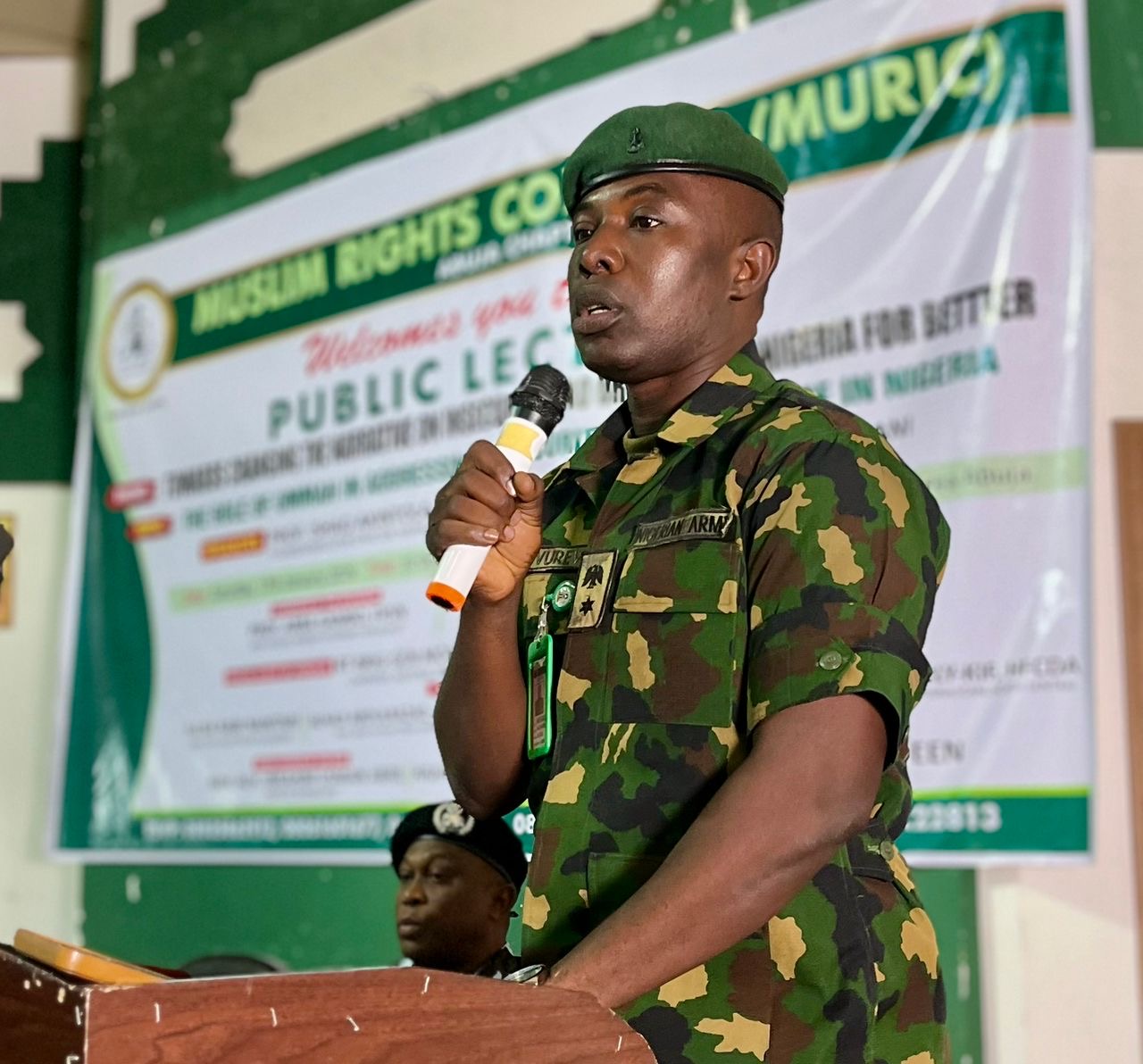
The Nigerian Army, represented by Lt. Col. A.A. Ovurevu on behalf of Chief of Army Staff Lt. Gen. Waidi Shaibu, said drug abuse and insecurity are deeply intertwined and require collective action.
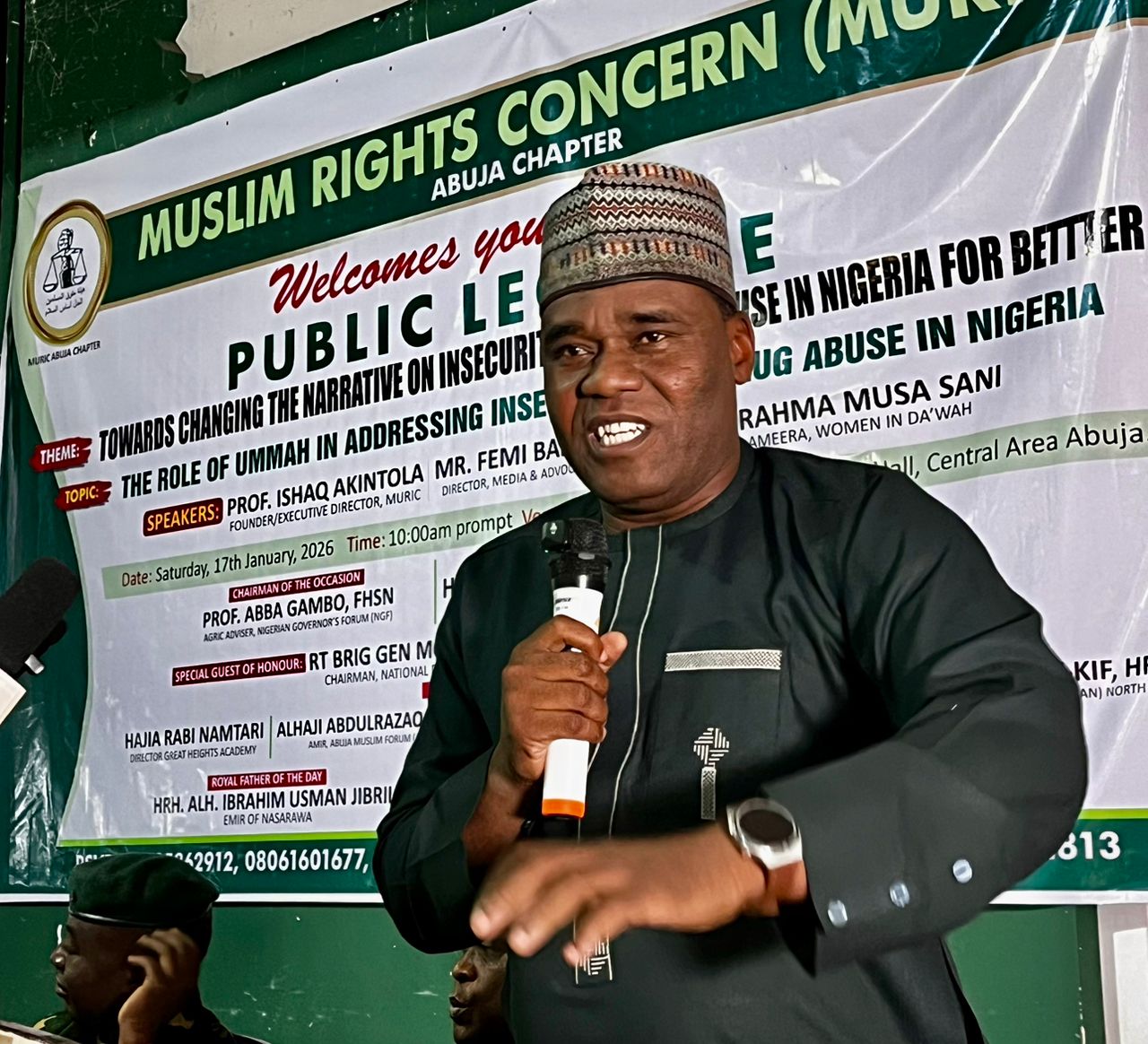
Similarly, the National Defence College urged religious leaders to confront violence and crime, describing them as the “last hope” for moral guidance in times of crisis.
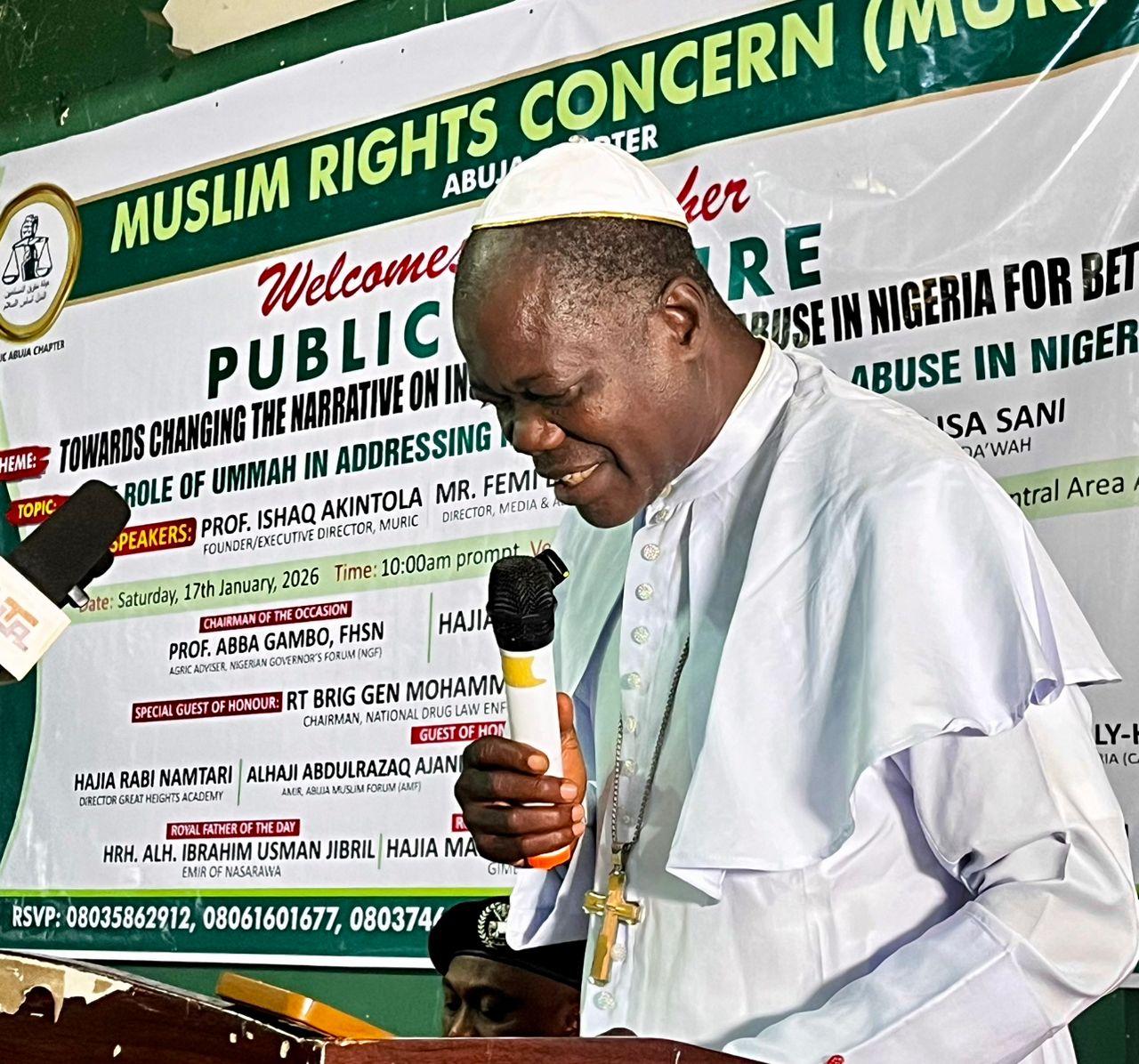
The Christians Association of Nigeria (CAN), represented by Bishop Edward Williams Chanomi, praised the initiative and called on the Muslim community to act as an agent of positive change, stressing that dialogue, education and cooperation are essential to national stability.
MORE PHOTOS:


SPONSORED

SPONSORED

SPONSORED
