
Mourning the Dead in Black: The Islamic Ruling
By Abdullahi Yusuf
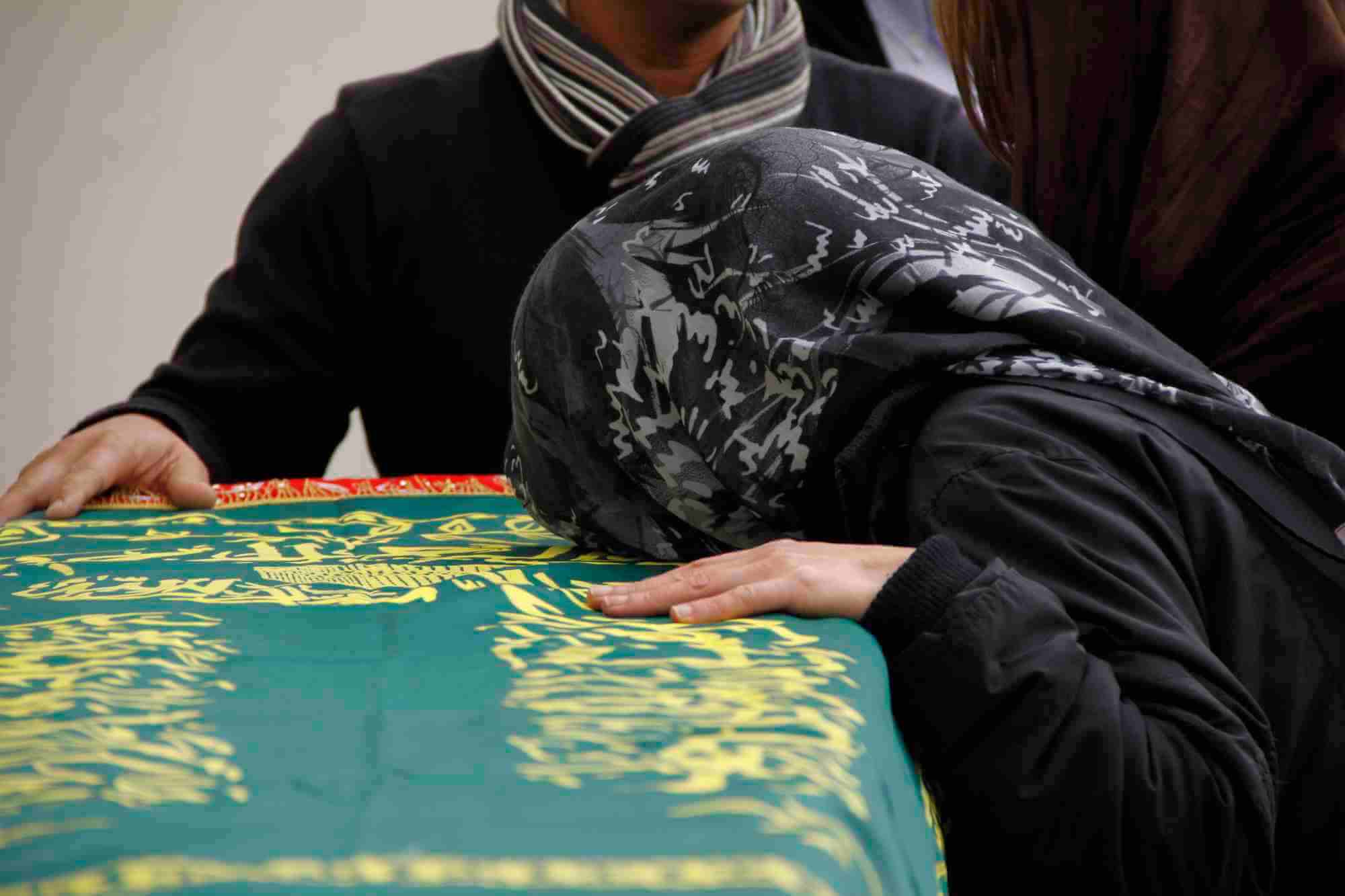
As news of funerals often fills our timelines in and communities, one image remains constant: mourners draped in black, their faces somber, their clothing echoing centuries of tradition. In many parts of the world, black has become the colour of grief, a universal code for sorrow. But in Islam, is this practice a noble expression of loss, or a subtle departure from prophetic teachings?
Across Europe, America, and even parts of Africa, the black dress at funerals is often seen as a mark of respect. Yet, Islamic scholars have long debated its appropriateness for Muslims, especially as mourning rituals from other cultures seep into ours in this age of globalisation.
Islamic view
In Islam, mourning is a deeply spiritual moment, but the faith draws clear boundaries between cultural expression and religious practice. According to scholars, there is no evidence in the Sunnah of Prophet Muhammad (pbuh) or his companions to support wearing black clothing as a sign of grief.
Sheikh Ibn ‘Uthaymeen, one of the most respected modern jurists, unequivocally stated: “Wearing black in mourning for the dead is a kind of bid’ah (innovation) and displaying grief, akin to rending one’s garment and slapping one’s cheeks.” He was referring to the pre-Islamic Arab customs of excessive lamentation and dramatic mourning displays, which Islam sought to replace with quiet remembrance, prayers for the deceased, and patience in the face of Allah’s decree.
In his Majmoo’ Fataawa (17/329), the Sheikh further warned that singling out a particular colour for mourning may stem from dissatisfaction with Allah’s will, however subtle: “Although some people think there is nothing wrong with it, the Salaf did not do this, and it may be closer to sin than to obedience.”
Indeed, the Prophet (pbuh) cautioned against imitating practices devoid of spiritual merit. He said: “He is not one of us who slaps his cheeks, tears his garments, and calls with the call of Jahiliyyah (ignorance).” (Sahih al-Bukhari and Muslim).
If Islam discourages it, where did the tradition of wearing black originate? Historians trace it back to ancient Rome, where mourners wore the toga pulla, a dark garment signifying bereavement. Fast forward to medieval Europe, black garments became a privilege of the wealthy, as the dye was costly. Widows in aristocratic circles competed with extravagant black veils, trains, and jewellery to signify their grief and their status.
The modern association of black with mourning can be credited to Queen Victoria of England, who, after losing Prince Albert in 1861, famously wore black for the rest of her life. The British elite followed suit, turning the colour into a societal standard. Widows were often bound by rules dictating how long they must wear black, often two years while men had far fewer restrictions.
Interestingly, black is not universal in mourning. In many Asian cultures, white signifies death, representing purity and the soul’s release. Buddhists, Hindus, and even some African societies use brighter hues to celebrate the life of the departed. In Thailand, mourners wear purple; in Myanmar, yellow; and in Iran, blue.
Islam, however, does not prescribe any colour. The emphasis is on simplicity, modesty, and prayer. Mourning is defined by inner submission, not outward displays.
As funerals become more elaborate in our modern world, Muslims are reminded to return to the essence of mourning in Islam: quiet reflection, praying for the deceased, and supporting their loved ones. Shaykh Ibn Taymiyyah noted, “There is no colour to be singled out for grief or condolences. What matters is patience and reliance on Allah.”
Wearing black, while not inherently sinful, becomes questionable when adopted as an obligatory or symbolic act. Islam warns against borrowing customs unanchored in divine guidance, particularly those rooted in cultures of ostentation or despair.
Death is certain, but our responses to it reflect our faith. For Muslims, the Prophet’s Sunnah is a sufficient guide: three days of mourning for the general public, except for widows who observe ‘iddah(four months and ten days), modest clothing without extravagance, and no special rituals save for sincere du’a and acts of charity in the deceased’s name.
SPONSORED

SPONSORED

SPONSORED
