
Israel Strikes Intensify as Iran Retaliates: IRGC Navy Chief Reportedly Killed
Day 27 of the US-Israeli campaign sees heavy bombardment in Isfahan and Bandar Abbas, 470 Iranian missiles launched at Israel, and escalating regional fallout
By Abdullahi Yusuf
Day 27 of the United States–Israel war on Iran was marked by intensified Israeli strikes, a reported high-level military killing, and fresh data revealing the scale of Iran’s sustained missile campaign against Israel.
Israel carried out a second straight day of strikes on Isfahan, targeting key sites as part of an expanded offensive. Reports indicated heavy bombardment across central Iran, alongside attacks in the south, including Bandar Abbas.
In a major development, Israeli media reported that Islamic Revolutionary Guard Corps (IRGC) Navy commander Alireza Tangsiri was killed in a strike in Bandar Abbas, a strategic port near the Strait of Hormuz.
There has been no official confirmation from Tehran, but the claim, if verified, would mark a significant blow to Iran’s naval command.
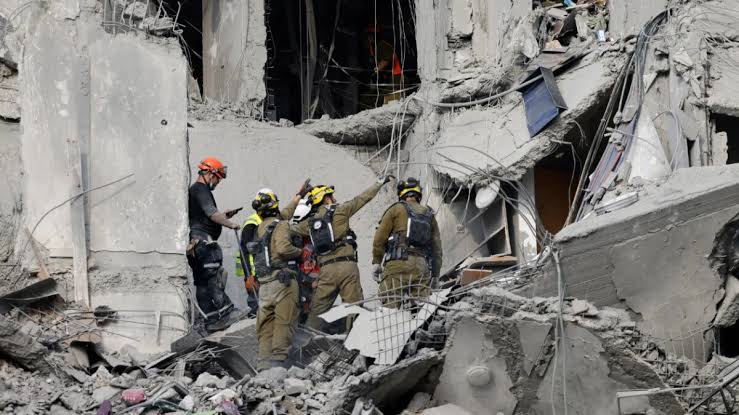
Iran continued retaliatory missile launches towards Israel, triggering air raid sirens and interceptions across central regions. Debris from intercepted missiles caused injuries and damage in urban areas, including Tel Aviv.
New figures reported by Haaretz highlight the intensity of Iran’s missile campaign.
According to the Israeli military data cited by the outlet, Iran has launched around 470 missiles at Israel in the first 25 days of the war.
The initial phase saw a surge of about 170 missiles in the first three days, followed by a steady rate of 10 to 15 missiles daily, with a recent uptick.
The report said nine missiles made direct impact, including two in Tel Aviv, while 35 cluster munitions penetrated air defenses, dispersing bomblets across more than 190 urban locations, mostly in central Israel.
Fifteen people have been killed in Israel, and thousands have been injured or displaced. Around 5,000 people have been treated in hospitals, while thousands of buildings have been damaged and several thousand residents evacuated from cities including Tel Aviv, Dimona, and Be’er Sheva.
Iran’s Red Crescent said Israeli-US attacks on the country have caused widespread damage to civilian infrastructure since the war began. The humanitarian body said more than 87,000 non-military units have been damaged or destroyed across Iran during the ongoing strikes.
A top Iraqi Kurdish commander has told Middle East Eye his forces have no plans to invade Iran but that he is exasperated by Iranian attacks on their bases.
Sirwan Barzani, a Peshmerga major-general and millionaire businessman, said that since the US–Israeli war on Iran began on 28 February, the Kurdistan region of Iraq has faced around 430 drone and missile attacks.
Regional fallout
The regional fallout also deepened. In the United Arab Emirates, at least two people were reported killed after missile debris fell in Abu Dhabi following interceptions. Gulf states, including Saudi Arabia, continued to intercept drones targeting critical infrastructure.
Tensions around the Strait of Hormuz escalated further, with Iran moving to assert tighter control over the waterway, raising fears of prolonged disruption to global energy supplies.
Diplomatically, positions remain hardened. Washington insists talks are possible, but Tehran has rejected negotiations and pledged continued resistance.
With sustained strikes, mounting casualties, and widening regional impact, Day 27 underscored a conflict that is becoming more entrenched, with no immediate path to de-escalation.
Gulf Cooperation Council (GCC) Secretary-General al-Budaiwi says that Iran’s actions, including the attacks and closing the Strait of Hormuz, have “overcome all red lines.”
SPONSORED

SPONSORED
