
Iran targets US-linked oil sites as conflict enters ‘new stage’
Revolutionary Guards claim attacks mark ‘new phase’ after strikes on Iran’s energy infrastructure
By Abdullahi Yusuf
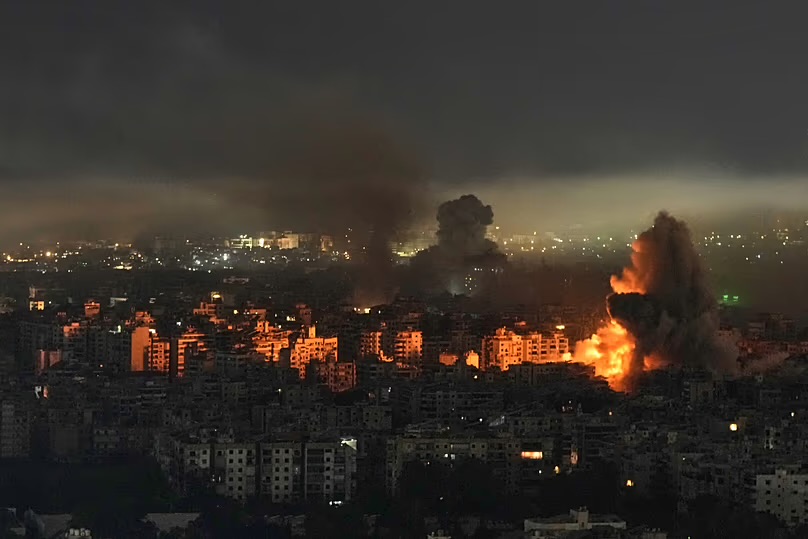
Iran’s powerful military force, the Islamic Revolutionary Guard Corps (IRGC), says it has carried out a new wave of strikes targeting oil facilities linked to the United States, in what it describes as retaliation for recent attacks on Iran’s own energy infrastructure.
In a statement, the IRGC said the operation formed part of its ongoing campaign, known as “Operation True Promise 4”, and represented its 63rd wave of attacks since the conflict escalated following strikes by the United States and Israel on Iranian targets.
The Guards said the latest strikes, carried out on Wednesday, were launched “with full force” and were also in response to the killing of senior Iranian figures, including intelligence chief Esmaeil Khatib, during what it called “aggression” by Washington and its allies.
According to the statement, the strikes set fire to a number of oil facilities described as serving American interests in the region. The IRGC said the action was intended as a proportional response to earlier attacks on Iran’s energy sector.
The military body said it had not initially sought to widen the conflict to include energy infrastructure or harm neighbouring economies. However, it argued that strikes on Iranian facilities had “taken the conflict into a new stage”, making retaliation unavoidable.
The claims could not be independently verified, and there has been no immediate response from the United States.
The IRGC also said it had targeted dozens of sites it described as military and logistical positions in Israel, including areas in central and southern parts of the country. It said the attacks involved missiles and drones, though details remain unclear.
In a warning to Washington and Israel, the group said further strikes on Iran’s energy infrastructure would trigger more severe retaliation, potentially extending to energy facilities across the region.
The escalation comes amid a widening conflict that has already seen attacks on military installations and infrastructure across multiple countries in West Asia, raising concerns about the security of global energy supplies.
Oil markets and shipping routes, particularly through the Strait of Hormuz, have come under increasing strain, with analysts warning that continued escalation could have far-reaching economic consequences.
The latest developments underline the risk of a broader regional confrontation, as both sides signal a willingness to intensify their responses.
SPONSORED

SPONSORED
