

Eating healthy during Ramadan: Nutrition experts share healthy eating tips
Dietitians say hydration, whole foods and portion control are key to sustaining energy during the fasting month
By Abdullahi Yusuf
As Muslims across the world observe Ramadan, nutrition experts are advising those who fast to adopt a balanced and mindful approach to eating in order to maintain energy, focus and overall well-being during the month.
Fasting from dawn to sunset can place new demands on the body, particularly when meals are concentrated into a limited nighttime window. Health professionals say thoughtful food choices at suhoor, the pre-dawn meal, and iftar, the meal that breaks the fast, can make a significant difference.
Nazima Qureshi, a dietitian and co-author of The Healthy Ramadan Guide, said fasting can be managed successfully with proper planning, even amid diverse cultural food traditions that often shape Ramadan menus.
She advised maintaining cultural dishes while paying closer attention to portion sizes and overall balance.
Rethinking caffeine and processed foods
Experts note that modern eating habits, including high caffeine intake and reliance on processed foods, can make fasting more difficult.
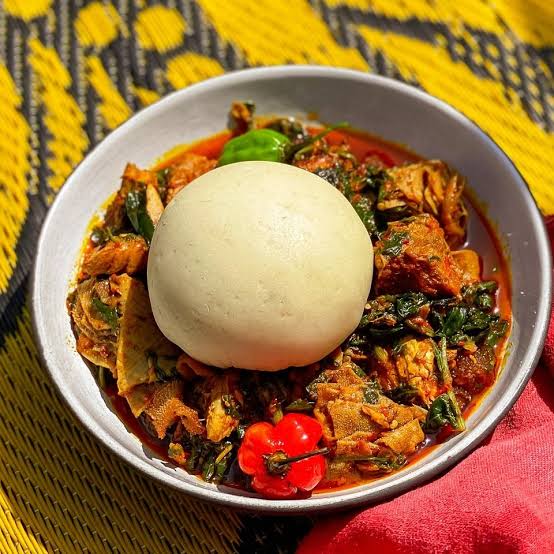
Caffeine consumption, particularly in the evening, may interfere with sleep and affect energy levels the following day. Dietitians recommend moderating coffee intake and avoiding it late at night.
Processed foods, while convenient, are often high in calories but low in essential nutrients. Consuming large portions of such foods may leave fasters feeling fatigued despite eating substantial amounts.
Nutritionists caution that excess sugar and refined carbohydrates can cause rapid spikes and crashes in blood sugar, contributing to sluggishness during fasting hours.
Building a balanced suhoor
For suhoor, experts recommend prioritizing complex carbohydrates, protein and healthy fats to promote steady energy release.
Instead of white bread or sugary cereals, whole grains such as oats or whole-grain toast paired with eggs, yogurt, nuts or vegetables can help sustain fullness. Adequate hydration is also essential, with recommendations often ranging between 500 and 700 milliliters of water during the pre-dawn meal.
Smarter choices at iftar
At iftar, health professionals encourage breaking the fast gently, traditionally with dates and water, before moving to a balanced meal.
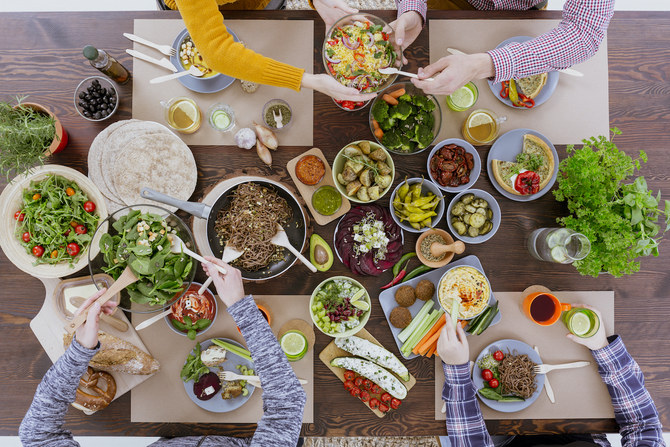
They advise limiting fried and heavily processed foods, which may lead to overeating when hunger is intense. A more measured approach, including lean proteins such as chicken or grilled meats, whole grains and vegetables, supports better digestion and sustained energy.
Vegetables, often overlooked on some iftar tables, should be incorporated through salads or lightly cooked dishes to improve nutrient intake.
Preventing fatigue and dizziness
Symptoms such as headaches, dizziness and weakness during Ramadan are frequently linked to inadequate hydration and imbalanced meals during non-fasting hours, experts say.
Heavy, sugary or high-fat late-night meals may also leave individuals feeling drained the next day. Lighter options such as fruit, yogurt or smoothies are generally recommended for evening snacks.

Nutritionists emphasize that Ramadan is not only a time for spiritual reflection but also an opportunity to reset eating habits. With proper balance, hydration and moderation, fasters can remain energized and productive throughout the month.
With additional information from Anadolu Agency
SPONSORED

SPONSORED
