
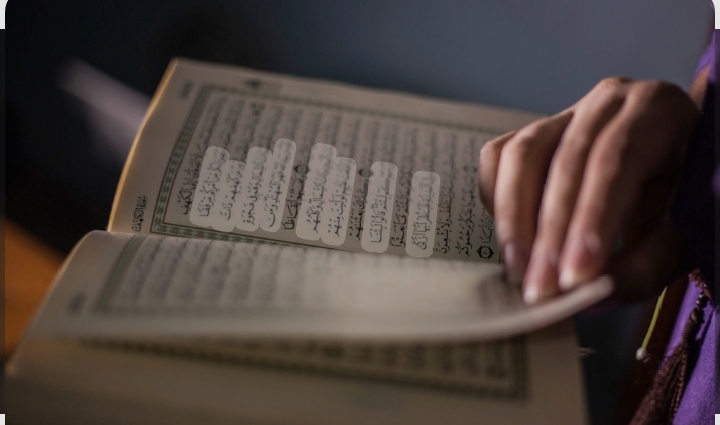
Do Not Belong To The Callers To Fitnah, Call People To The Religion Of Allah With Wisdom And Good Words!
By Imam Murtadha Gusau
In the Name of Allah, the Most Gracious, the Most Merciful
Praise is due to Allah, Lord of the worlds, may the blessings and peace be upon our beloved master Muhammad, the last of Prophets, on his family, and all his companions.
Dear brothers and sisters! Wallahi, wallahi, wallahi for any Sheikh, Islamic scholar, Imam, preacher or caller to Islam to succeed in his mission, his Da’awah, preaching, calling to Allah or enjoining good and forbidding evil must be done with wisdom, gentleness, and patience, following the Qur’an and the example of Prophet Muhammad (Peace be upon him). This approach is essential for the message to be accepted and to prevent greater harm in society.
Allah Almighty commands Muslim believers to call others to His path using a specific methodology (Manhaj). Allah the Most High says:
“Invite to the way of your Lord with wisdom and good instruction, and argue with them in a way that is best.” [Qur’an, 16:125]
This powerful Qur’anic verse emphasises that the manner of invitation is as important as the message itself. The Prophet Muhammad (Peace be upon him) perfectly embodied this, as described in the Qur’an. Allah Almighty says:
“So it was by a mercy from Allah that you were gentle with them. And if you had been rude [in speech] and harsh in heart, they would have disbanded from about you.” [Qur’an, 3:159]
And the Prophet Muhammad (Peace be upon him) said:
“Indeed gentleness does not enter into anything except it beautifies it, nor is it removed from anything except that it makes it ugly.”
And he (Peace be upon him) said:
“Allah did not send me to be harsh, or to cause harm, but He sent me to teach and make things easy.”
Great Islamic scholars like Imams Sufyan al-Thawri and Ibn Taimiyyah outlined three necessary qualities for the person enjoining good and forbidding evil: knowledge, gentleness/kindness, and patience.
Knowledge is required to know what is good and what is evil according to the Shari’ah before acting. Gentleness is necessary during the act, as it helps people to be receptive to the advice.
Patience is needed afterward to endure any harm or negative reactions from people.
A powerful example of Prophetic wisdom occurred when a Bedouin man urinated in a corner of the Mosque. The companions were angry and rushed to stop him, but the Prophet Muhammad (Peace be upon him) intervened. He told them to leave him alone and simply pour a bucket of water over the area. He then gently explained to the man that Mosques are for the remembrance of Allah, prayer, and recitation of the Qur’an, not for such acts. This kind approach prevented a potential conflict and allowed the man to learn with dignity.
And Allah Almighty instructed Prophets Musa and Harun to speak to the Pharaoh (Fir’aun), one of the most oppressive rulers, with “gentle speech” (Qur’an, 20:44), in the hope that he might be reminded or fear Allah. This emphasises that even with the worst of people, the initial approach should be one of gentleness and wisdom.
Our responsibility in enjoining good is to convey the message with the best manners, not necessarily to ensure the outcome, as guidance is from Allah alone. Speaking with kindness, having empathy, and maintaining a balanced approach are key to fulfilling this important duty and avoiding the pitfalls of harshness and rigidity.
Respected brothers and sisters! It is a significant challenge when some individuals cause division, mischief and fitnah under the guise of adhering strictly to the Sunnah. Islamic teachings strongly condemn division and highlight the importance of unity, sincerity, and good manners in all actions, especially in calling others to the path of Allah (Da’awah).
True adherence to the Sunnah requires good manners and kindness, not a sense of superiority or a desire to dominate others. When the Prophet Muhammad (Peace be upon him) admonished someone, he would often speak in general terms without naming the person to avoid shaming them and causing resentment. Spreading division with harshness indicates a heart that has not truly bowed to Allah, but rather is following its own ego and whimsical desires.
The Qur’an emphatically commands:
“And hold firmly to the rope of Allah all together and do not become divided.” [Qur’an, 3:103]
Division among Muslims is one of the greatest challenges and a major sin that strips the Ummah of its strength and blessings. Those who cause division, even while claiming to follow the Sunnah, contradict this fundamental principle.
Fitnah often arises from a lack of full comprehension of the religion, where people focus on limited aspects of the faith while ignoring the comprehensive message of unity and mercy. The Prophet Muhammad (Peace be upon him) warned against falling into bid’ah (innovation) and straying from the straight path, which can include the innovation of sectarianism and creating animosity over secondary issues.
True obedience is not just in the outer form but in the heart’s submission. Imam Shafi’i (rahimahullah) beautifully stated that:
“By Allah! I do not care whether the truth comes by my tongue or the opponent’s tongue, i.e. I will accept the truth.”
This demonstrates the sincerity and unselfishness required when seeking truth, a stark contrast to those who seek out faults and spread suspicion.
The Prophet Muhammad (Peace be upon him) once asked his companions if he should inform them of an act superior to fasting, prayer, and charity. He said:
“Reconciliation between Muslim believers, for spoiling relations is the shaver. I do not mean that which shaves hair but which shaves one’s religion.”
This powerful statement emphasises the gravity of causing disunity among the Ummah.
A powerful example from the time of the Prophet Muhammad (Peace be upon him) is how he dealt with Abdullah Bin Ubay, the leader of the hypocrites in Madinah. Outwardly proclaiming Islam, he constantly engaged in conspiracies and spread rumours (including the false accusation against Aisha, the Prophet’s wife) to harm the Muslim Ummah and create agitation within the city. Despite knowing his true nature, the Prophet Muhammad (Peace be upon him) treated him with gentleness and even prayed for his forgiveness, highlighting mercy in the face of immense mischief. The Qur’an exposed their actions, warning Muslim believers against those who cause agitation and have a disease in their hearts.
The story of the companion who tried to correct a man performing ablution incorrectly in the Mosque illustrates the principle of giving advice with kindness. The companions were in harmony despite disagreements on minor issues. The emphasis was on seeking the truth and maintaining brotherhood, not on enforcing one’s view to people with harshness and causing division.
These stories inspire a focus on taqwa (Allah-consciousness), unity, and practicing the Sunnah with wisdom, mercy, and adab, rather than using it as a tool for division and mischief.
Fellow brothers and sisters! The goal of Da’awah or calling to Allah is to guide people towards truth and righteousness using wisdom, good exhortation, and gracious argumentation, as mandated in the Qur’an. Spreading mischief, fitnah or discord is strictly forbidden and counterproductive to the true purpose of Da’awah, which emphasises unity, empathy, and truthfulness.
The primary methodology for Da’awah is outlined in the Qur’an (16:125). This means using gentle, appropriate language and considering the audience’s context, rather than being harsh or confrontational.
And Da’awah should be for the sake of Allah alone, without any ulterior motives, worldly gains, or the desire for personal status. Ulterior motives often lead to using blame, hatred, or force, which causes mischief.
A caller to Islam must speak the truth and be knowledgeable about what they are sharing. It is crucial to verify information from authentic sources and admit when one does not know an answer, rather than spreading misinformation or falsehoods that can lead to fitnah.
The Prophet Muhammad (Peace be upon him) was known as al-Amin (the Trustworthy) before his mission began. His character was a primary means of Da’awah. Demonstrating empathy and good manners is essential for forming bonds with people and showing the beauty of Islam.
The evil of discord can destroy religious commitment. Da’awah should foster unity and understanding, not create divisions or conflicts within the Ummah or society at large. The goal is to bring people to the truth, not to judge or ostracise them.
When Prophet Yusuf was in prison, he used the opportunity to preach to his fellow inmates with wisdom. He began by interpreting their dreams, using their immediate concerns as an entry point for a conversation about faith, rather than forcing the message upon them. This exemplifies addressing people at their level and being sensitive to their situation.
The Prophet Muhammad (Peace be upon him) consistently demonstrated justice and fairness, even in rulings involving non-Muslims against Muslims. His character and just actions spoke volumes, inspiring respect and demonstrating the true nature of Islam, in contrast to those who might use Da’awah as a means of sowing conflict.
Therefore your character is your primary Da’awah. People may not remember your words, but they will remember your manners and integrity.
And Da’awah requires wisdom, not just zeal. Spreading ‘truth’ without ‘grace’ often leads to fitnah, not guidance.
And the purpose is to call people to Allah, not to divide people or spread mischief. Our actions must reflect the peace and unity Islam preaches.
Islamic teachings strongly condemn spreading mischief or discord and fitnah in the name of Da’awah or calling people to the way of Allah. True Da’awah is characterised by wisdom, good character, and peaceful communication, not division or harm.
The fundamental guidance for Da’awah is found in the Qur’an, 16:125, where Allah Almighty says:
“Call to the way of your Lord with wisdom and good preaching. And argue with them in a way that is best and most gracious.”
And wisdom involves speaking to people according to their mentality and situation, avoiding unnecessary controversy or matters that cause trouble. It means prioritising understanding over conflict.
Good exhortation requires presenting the message of Islam with kindness, love, and good manners. The caller to Islam should show the beauty of Islam through their character.
Islam strictly forbids actions or words that lead to discord, hatred, or violence among people. Spreading accusations or using a harsh, unforgiving approach goes against the Prophetic methodology (Manhaj).
And don’t forget, your actions are your best Da’awah. The intention should be solely for the sake of Allah, not for personal recognition or the establishment of a specific group’s dominance.
A powerful story from the life of the Prophet Muhammad (Peace be upon him) exemplifies the proper Da’awah methodology (Manhaj).
For example, look at the story of bedouin who once came into the Prophet’s Mosque and began to urinate in a corner.
In the story, Prophet’s wisdom prevented a fitnah and physical confrontation and instead won the man’s heart through mercy and good character. He prioritised the greater good (teaching with kindness) over an immediate, harsh reaction, which in turn brought the man closer to understanding Islam.
Those who spread mischief or discord in the name of Da’awah have fundamentally misunderstood its purpose. Da’awah is about building bridges, not burning them. It’s about inviting people to the truth, not imposing it by force or creating an environment of hate and intolerance. Using inappropriate methodology (Manhaj) or extreme actions (such as hate speech or accusations of disbelief) only serves to alienate people and create disunity among Muslims and non-Muslims alike. The caller to Islam must be a source of peace, happiness, unity, mercy, and guidance, following the balanced and moderate path of Islam.
Dear brothers and sisters! Also, Islamic teachings provide clear guidance on navigating and avoiding the callers to fitnah, strife, discord, trials and slander. The core message emphasises a return to authentic knowledge, self-control, and the preservation of Ummah unity.
The Prophet Muhammad (Peace be upon him) outlined practical steps for times when good and evil become difficult to distinguish. He advised Muslim believers to:
“Follow that which you know is true, and leave that which you know is wrong. Take care of your own affairs, and turn away from the common folk.”
This means adhering strictly to the clear guidance of the Qur’an and Sunnah and focusing on personal righteousness, rather than getting caught up in public disputes and rumours.
A key aspect of avoiding fitnah is controlling one’s speech. Spreading unverified information, slandering others, verbal attacks and engaging in backbiting are major sins that destroy religious commitment. The Prophet Muhammad (Peace be upon him) likened the person who goes about slandering and causing mischief to the worst among people. Muslim Believers are warned not to talk excessively without remembrance of Allah, as this hardens the heart.
The fitnah of our time often involves misguided or knowledge-deficient individuals who lead people astray. To counter this, Muslim believers are commanded to seek knowledge from authentic sources and critically evaluate information. Strengthening one’s relationship with the Qur’an and Sunnah (Hadith) provides the necessary tools to discern truth from falsehood.
Rather than contributing to division, Islam encourages reconciliation. The Prophet Muhammad (Peace be upon him) stated that reconciling in a case of discord is better than voluntary fasting, prayer, and charity. Striving for justice and fairness in our words and deeds, even towards those we dislike, is essential during times of strife.
The early Muslim Ummah (Sahaba/Salaf) faced immense trials. When disputes arose, many chose to remain neutral, focusing on worship and personal piety to avoid contributing to the conflict, as advised by the Prophet Muhammad (Peace be upon him). Their example teaches the importance of not taking sides when the truth of a matter is unclear, and prioritising the preservation of unity.
The second Caliph, Umar (RA), provided a powerful principle for social interactions. He said:
“Do not misinterpret any of a Muslim’s words as long as there is a possible sign of good.”
This approach helps prevent hatred and differences that arise from negative assumptions and misinterpretations.
During the times of fear and uncertainty, reliance on Allah is a great act of worship. The companions, when faced with overwhelming forces, responded with: “Hasbunallahu wa ni’mal wakil. (Allah is enough for us and He is the Best Protector.” [Qur’an, 3:173], which increased them in faith.
My beloved brothers and sisters! To avoid callers to fitnah, trials, strife, or discord, Islamic teachings emphasise personal piety, seeking authentic knowledge, righteous companionship, and prudence in speech and action.
A profound and practical guide comes from a Hadith where the Prophet Muhammad (Peace be upon him) was asked what to do when corruption and broken covenants became widespread. He advised the Muslim believers to follow that which you know is true, and leave that which you know is wrong. Take care of your own affairs, and turn away from the common folk.
The Prophet taught that in times of confusing conflict, it is better to be the one sitting (inactive) than the one standing, and better to seek shelter than to be destroyed by the turmoil.
A powerful story of avoiding fitnah is that of Hasan Ibn Ali Ibn Abi Talib (may Allah be pleased with them), the grandson of the Prophet Muhammad (Peace be upon him). During a time of significant political disagreement and potential armed conflict within the Muslim Ummah, Hasan, who was worthy of the Caliphate, voluntarily relinquished his claim to leadership to Mu’awiyah, in order to protect the Muslim believers from the grave danger of civil war and preserve the unity of the Ummah. The Prophet had foretold this event, saying:
“Indeed, this son of mine is a master; and perhaps Allah will use him to reconcile two great factions of the Muslims.” [Bukhari]
This act highlights that peace and unity are paramount goals in Islam, even when one believes they are in the right.
Therefore dear brothers and sisters! Place your full trust in Allah, the best Disposer of affairs. He will be sufficient for those who rely on Him.
The fitnah of doubts is best combated with sound knowledge from the established, trustworthy scholars, not every caller to fitnah on social media.
Surround yourself with pious people and avoid those who like to spread discord and negativity.
The Qur’an mandates verifying any information before acting upon it to avoid harming people out of ignorance.
Constantly supplicate to Allah to protect you from the trials of the time and the evil of the false messiah (Dajjal).
By internalising these principles and acting upon them with patience and wisdom, a Muslim believer can safeguard their faith and soul during the times of confusion and conflict.
Finally, the true strength in Da’awah lies in following the Prophet’s methodology (Manhaj): with wisdom, beautiful preaching, and by prioritising unity over trivial differences. Spreading mischief and disunity, even with the intention of defending the Sunnah, contradicts the very essence of Islamic teachings. Muslim believers are instructed to return to the Qur’an and Sunnah as understood by the righteous predecessors (Salaf), with an emphasis on justice and fairness in all statements.
So call people to the way of Allah with wisdom and good words. But more importantly, call people to Islam through good character, honest character, good and honest behaviour. Properly represent Islam and our beloved Prophet Muhammad (Peace be upon him)…
May Allah protect us from the fitnah of this life and next and safeguard our faiths, ameen.
Wassalamu alaikum wa rahmatullah wa bara ka tuh.
All praise is due to Allah, the Lord of the worlds. Prayers, peace and mercy are upon our beloved master, Muhammad, the son of Abdullah (Peace be upon him), his family and Companions.
SPONSORED

SPONSORED

SPONSORED
