
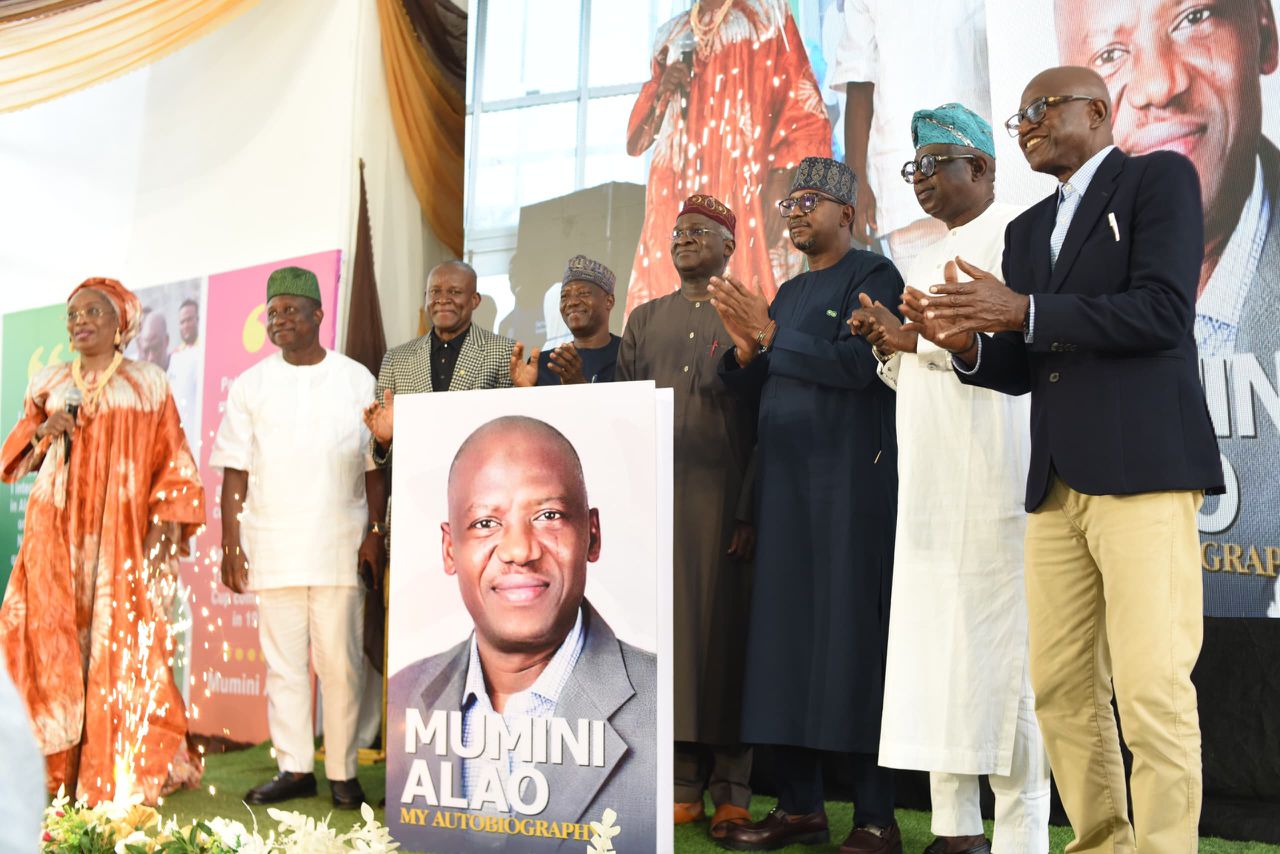
Dikko and Others Extol Alao’s Virtue
Lagos shines as sports, politics, and media heavyweights gather to honour veteran journalist, millions raised in unprecedented show of support
“man of character, credibility and reliability” whose professionalism has remained uncompromised throughout his decades-long career.
By Abdullahi Yusuf
The city’s sporting, political, legal, and media elites converged in Lagos at the weekend for the public presentation of My Autobiography, the life story of veteran sports journalist, Dr. Mumini Alao, an event that turned into a celebration of excellence.
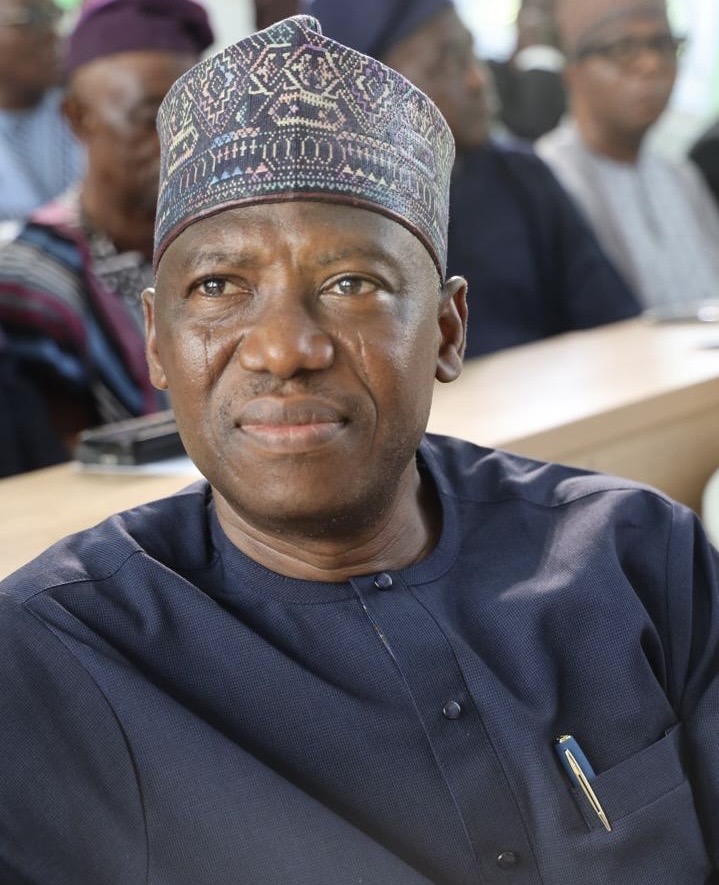
Chairman of the occasion and head of the National Sports Commission (NSC), Mallam Shehu Dikko, set the tone for the day with a moving tribute to the author, whom he described as “a man of character, credibility and reliability” whose professionalism has remained uncompromised throughout his decades-long career.
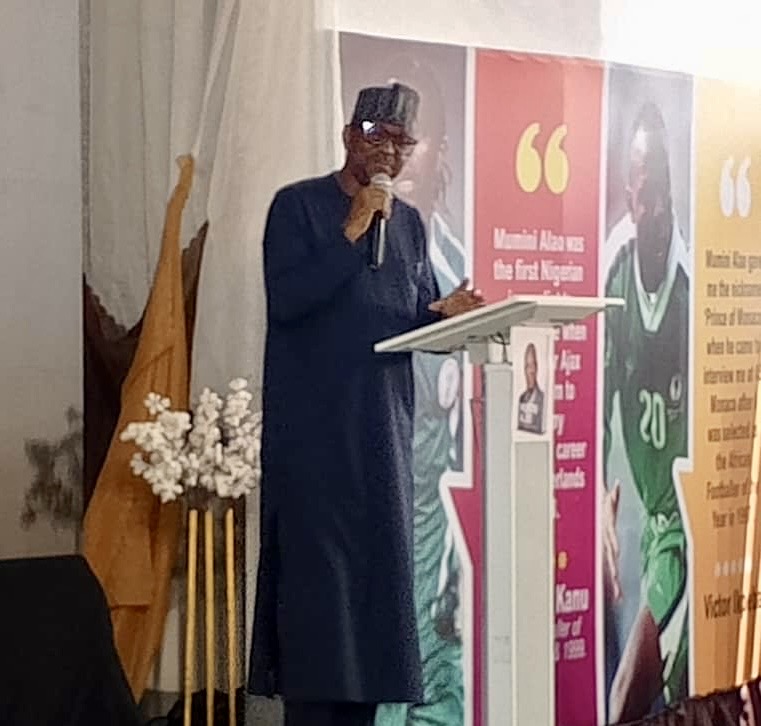
Dikko, who led a high-powered delegation of NSC officials alongside top executives of the Nigeria Football Federation (NFF) and the Nigeria Professional Football League (NPFL), recalled first encountering Alao’s work in 2002 when an article he penned for Complete Sports was voted “Article of the Year.” Though they had never met at the time, Dikko stressed that Alao “has never asked me for any favour” and has always maintained a strictly professional relationship.
Having only begun reading the autobiography a day before the launch, the NSC boss described it as “brilliant, concise, straight to the point and captivating,” adding:
“I learnt so much from what I’ve read, lessons that go beyond sports journalism into perseverance, business management, humility, and recalibrating for success.”
He urged young journalists, media practitioners, and sports administrators to study the book, insisting that passion must remain “the number one credential” for anyone seeking to grow Nigerian sports.
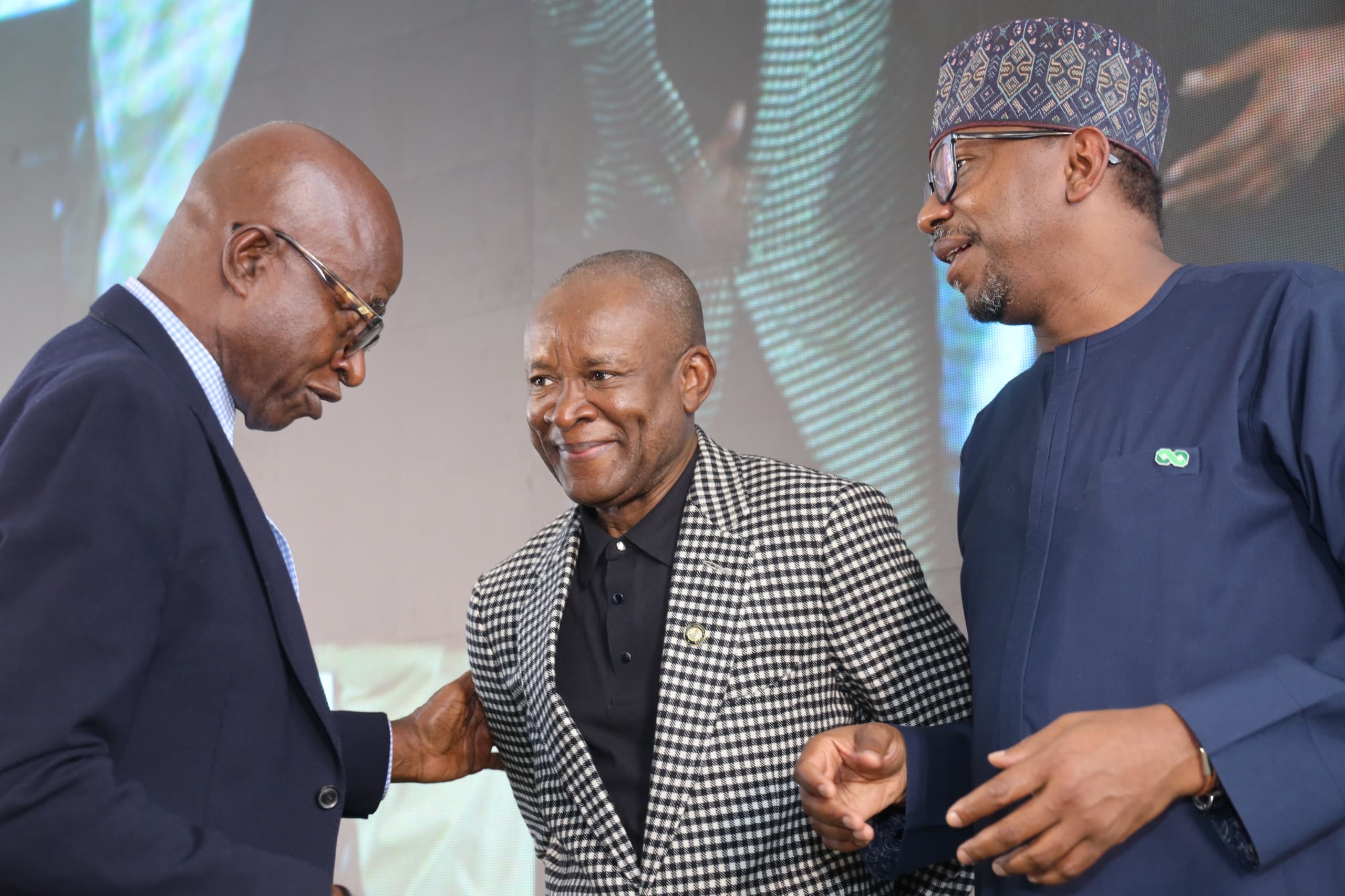
Dikko tied his remarks to ongoing NSC reforms, noting that the topic of the lecture mirrored current efforts to “recalibrate the business of sports in Nigeria, using football as a benchmark.” He lauded Alao’s ethical stance, stating:
“Your credibility is that you have never asked a favour from anybody in your media career… you always want to make it professional, in the line of duty, in the line of progress.”
He concluded with a challenge: “Write many more books to guide the next generation of journalists and sports entrepreneurs.”
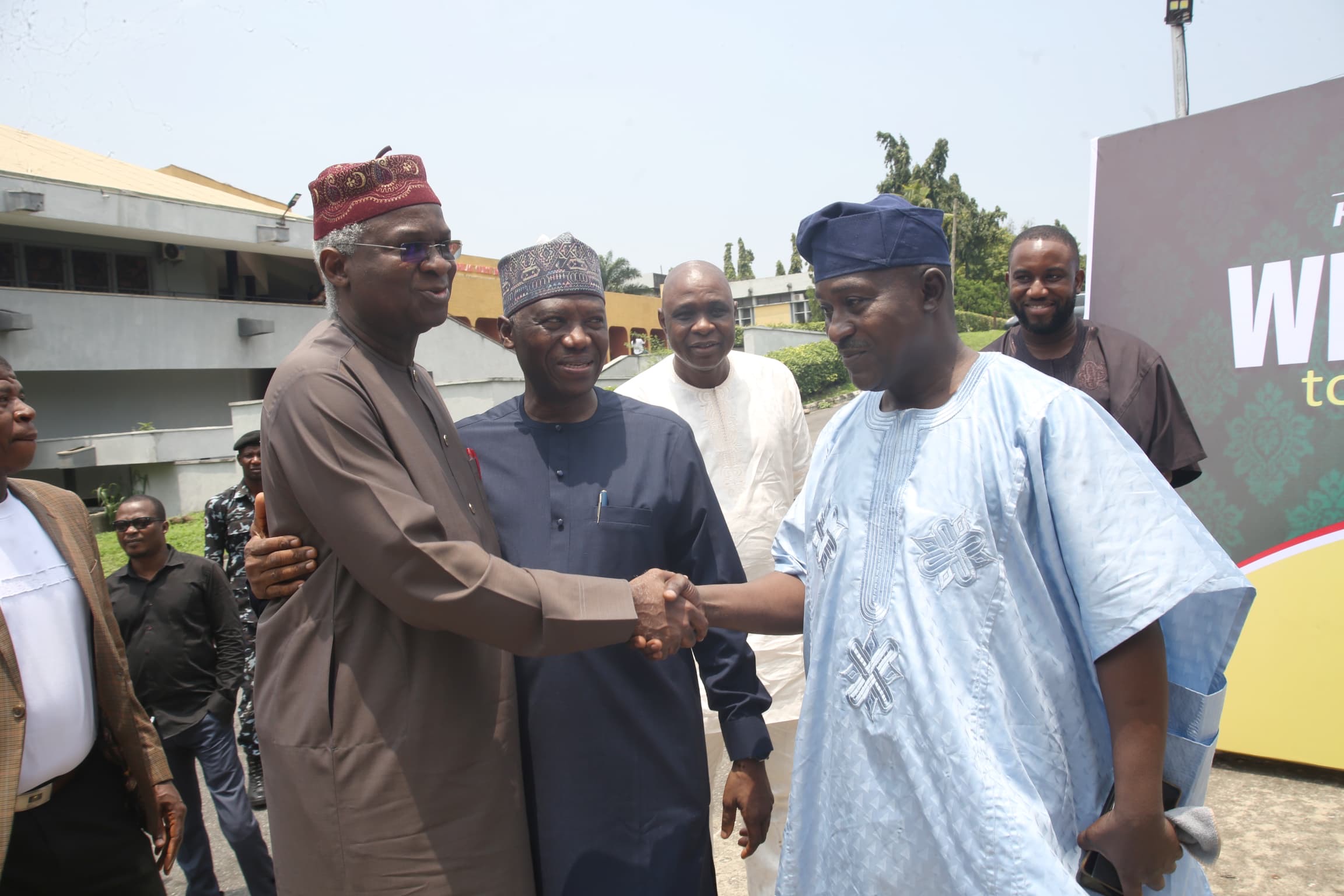
Delivering the lecture titled “Rethinking the Current Football Business Model in Nigeria as a Catalyst for Sports Development”, Former Lagos State Governor and ex-Minister of Works and Housing, Mr. Babatunde Raji Fashola, SAN made a compelling case for sports as a major driver of Nigeria’s economic growth, describing it as a “solution hiding in plain sight” to the country’s stubborn youth unemployment crisis.

“Youth unemployment is a problem because we are ignoring the solution,” he declared. “Sports development is one of the major solutions and it is right before our eyes.”
Using parallels from Nigeria’s booming music, film, fashion, and photography industries, Fashola argued that sports, with proper structure, could employ millions. He cited Complete Sports and Complete Football, titles that have sustained Alao’s career for over three decades as examples of how sports journalism and publishing create jobs.
“Imagine if there were a hundred such companies,” he challenged.
He pointed to sports broadcasting as a goldmine, noting DSTV’s 15 dedicated sports channels against Nigeria’s handful of equivalents like Brila Sports Radio. He called on policymakers to birth Nigerian versions of Sky Sports, ESPN, and beIN Sports, and drew lessons from the English Premier League, where clubs employ hundreds directly, with Manchester United alone once boasting over 1,100 staff.
On reform, Fashola urged strict licensing enforcement to eliminate failing clubs, minimum wage standards for athletes, and a coordinated 10-year sports development plan involving teachers, architects, health experts, legal professionals, media practitioners, and all tiers of government. He proposed leveraging the lottery and betting sectors for sports funding while safeguarding integrity, developing a new generation of referees and umpires “of the highest possible integrity,” and adopting a zero-tolerance policy for doping and cheating.
Minister of State for Industry, Senator John Owan Enoh, who co-wrote the book’s foreword alongside Nwankwo Kanu, hailed Alao as “a very upright, dependable, experienced individual.” He recalled appointing him to chair a sensitive investigative panel on the Paris Olympics and Paralympics fiasco, under the strict condition of “no interference.”
“I gave my word and he delivered an incredible job,” Enoh said, lamenting that the Ministry of Sports Development was scrapped the same week the report was submitted. The document, however, resurfaced recently in discussions about Nigerian athlete Favour Ofili’s possible nationality switch.
The minister commended President Bola Tinubu’s commitment to sports, citing the clearance of N19 billion in outstanding debts, including 15 months’ salary arrears for the Super Eagles coach, and unprecedented rewards for the Super Falcons and D’Tigress after their continental triumphs.
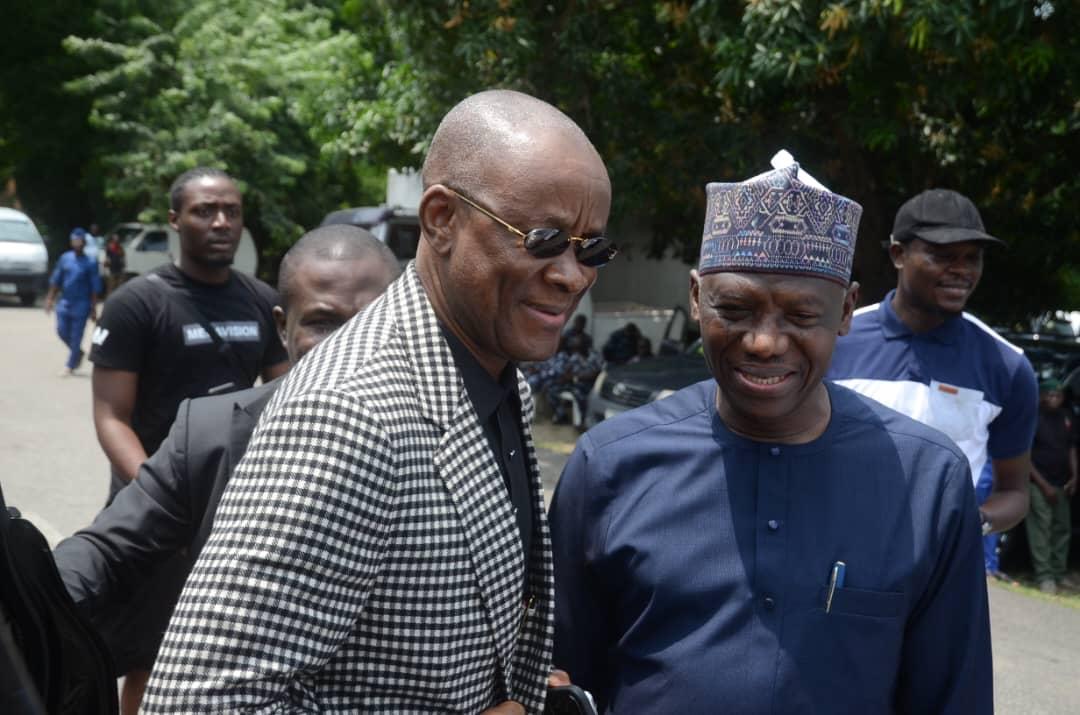
“Our task is no longer just conquering Africa, but matching the rest of the world,” Enoh stressed, echoing Fashola’s view that sports remains Nigeria’s “best moment” for national unity and development.
Reviewing the autobiography, Dr. Bolu John Folayan, hailed it as “a fantastic literary work” and “a masterclass in Nigerian sports journalism.” Divided into two parts, 23 chapters chronicling Alao’s professional rise and 11 covering his personal life, the book is designed for easy reading, with concise chapters and simple vocabulary.
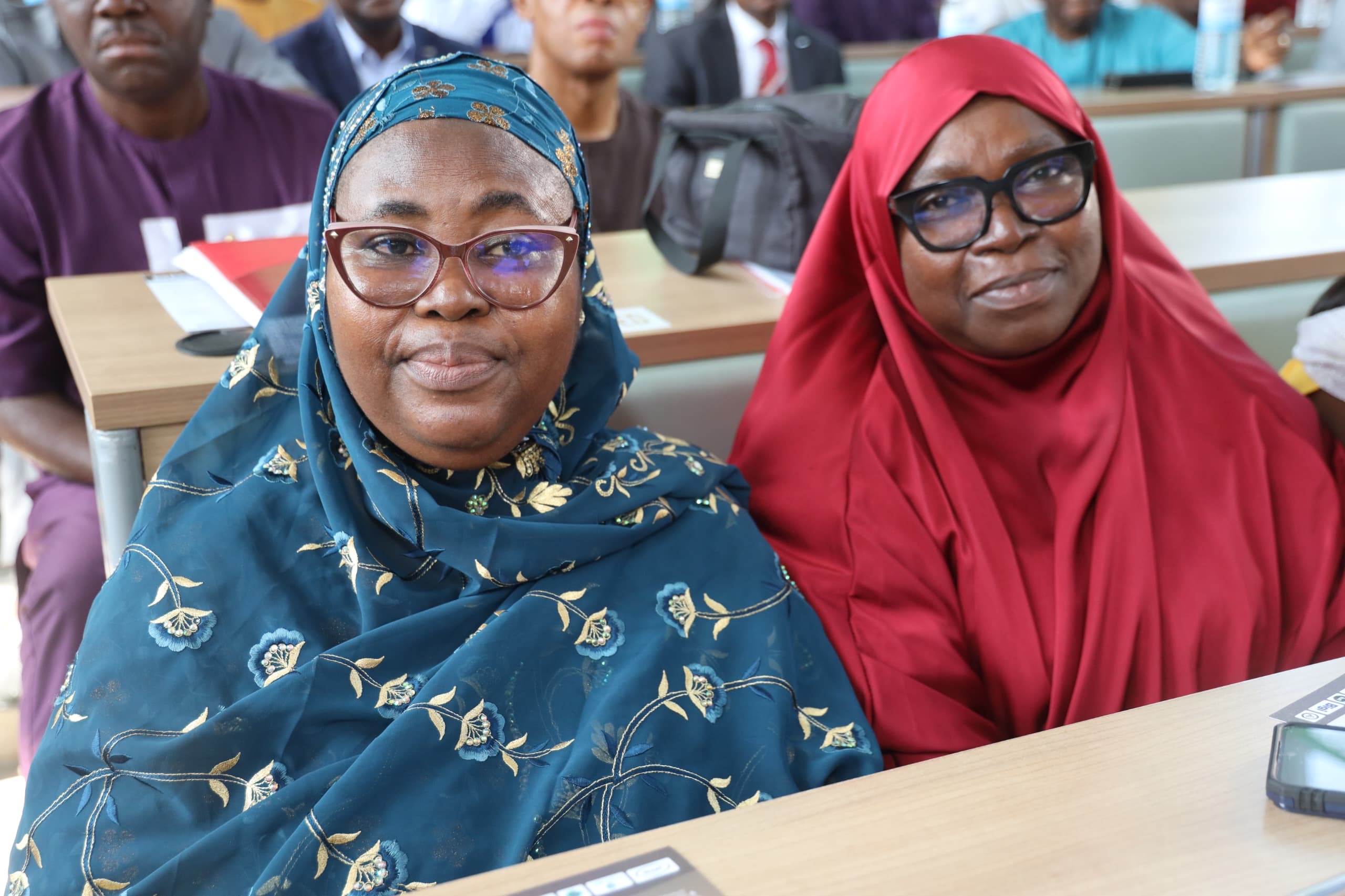
Folayan outlined ten key lessons from the work, including integrity in journalism, work–life balance, resilience, and legacy building, urging would-be sports publishers not to start without first reading it. He likened Alao’s milestone to Chief Obafemi Awolowo’s autobiography at 50 and Femi Otedola’s at 62, challenging the audience: “Mumini Alao has written his autobiography at 60, when are you going to write yours?”
The book launch doubled as a high-profile patronage, with some of Nigeria’s biggest names in sports administration, law, politics, and business opening their wallets generously.
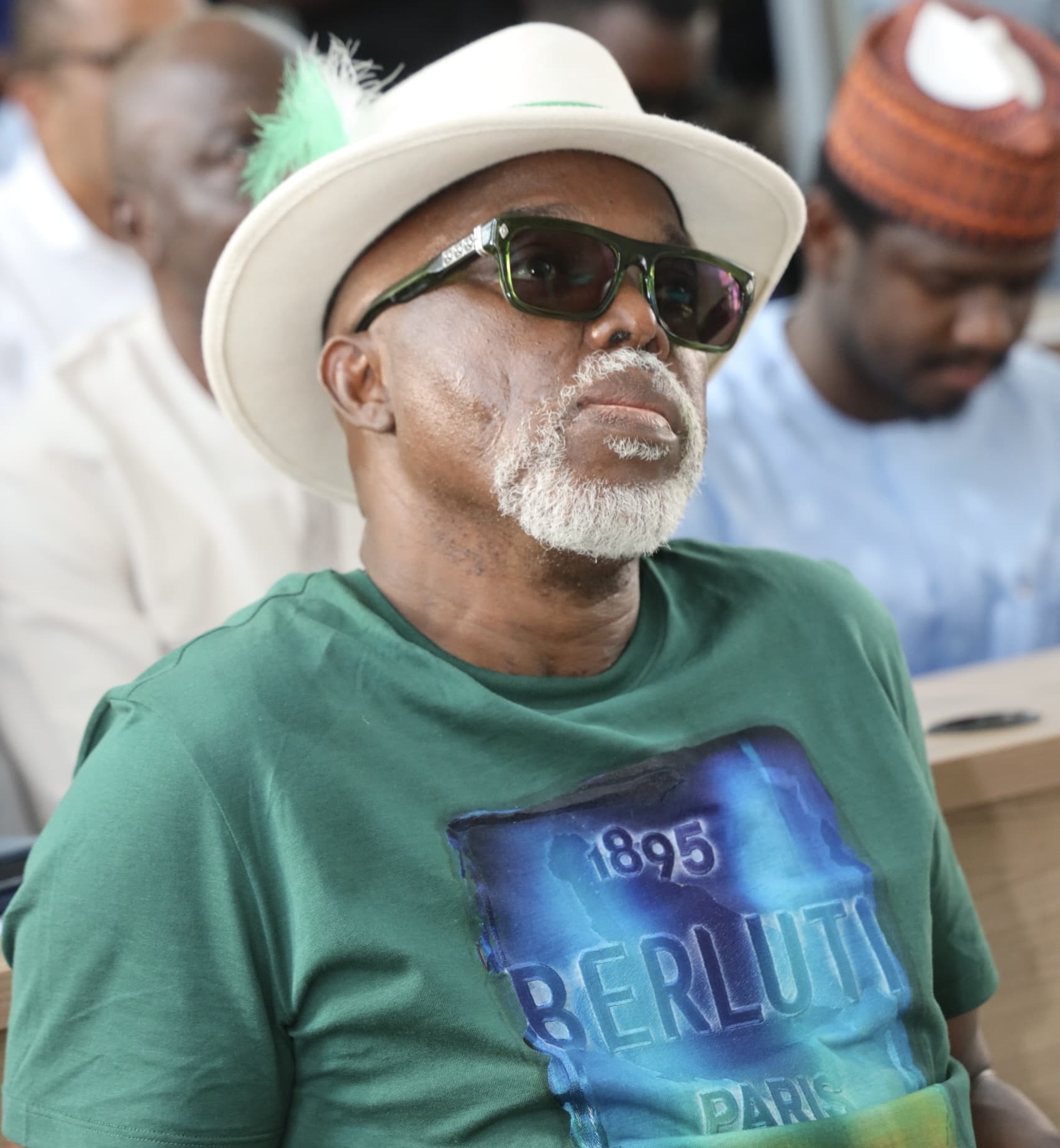
Top on the donors’ list was Mallam Shehu Dikko, who stunned the audience by launching the book with 20 million naira. He was followed by Mallam A.U. Mustapha, SAN, with N5 million, and NFF President Alhaji Ibrahim Musa Gusau, who gave N1 million through his representative. Other notable donations included: Mr. Amaju Melvin Pinnick N2 million, Hajji Liameed Gafardid, Chairman, Lagos State Football Association 2.5 million naira, Akin Alabi 1 million naira, Barrister Seyi Akinwunmi, First Vice President, NFF 500,000 naira, Family of the Author 500,000 naira,!UNILAG Mass Comm ESCO Mates 400,000 naira, Lagos Legends 1 million naira, and a long list of other guests and well-wishers who also made substantial contributions, pushing the total into tens of millions of naira.
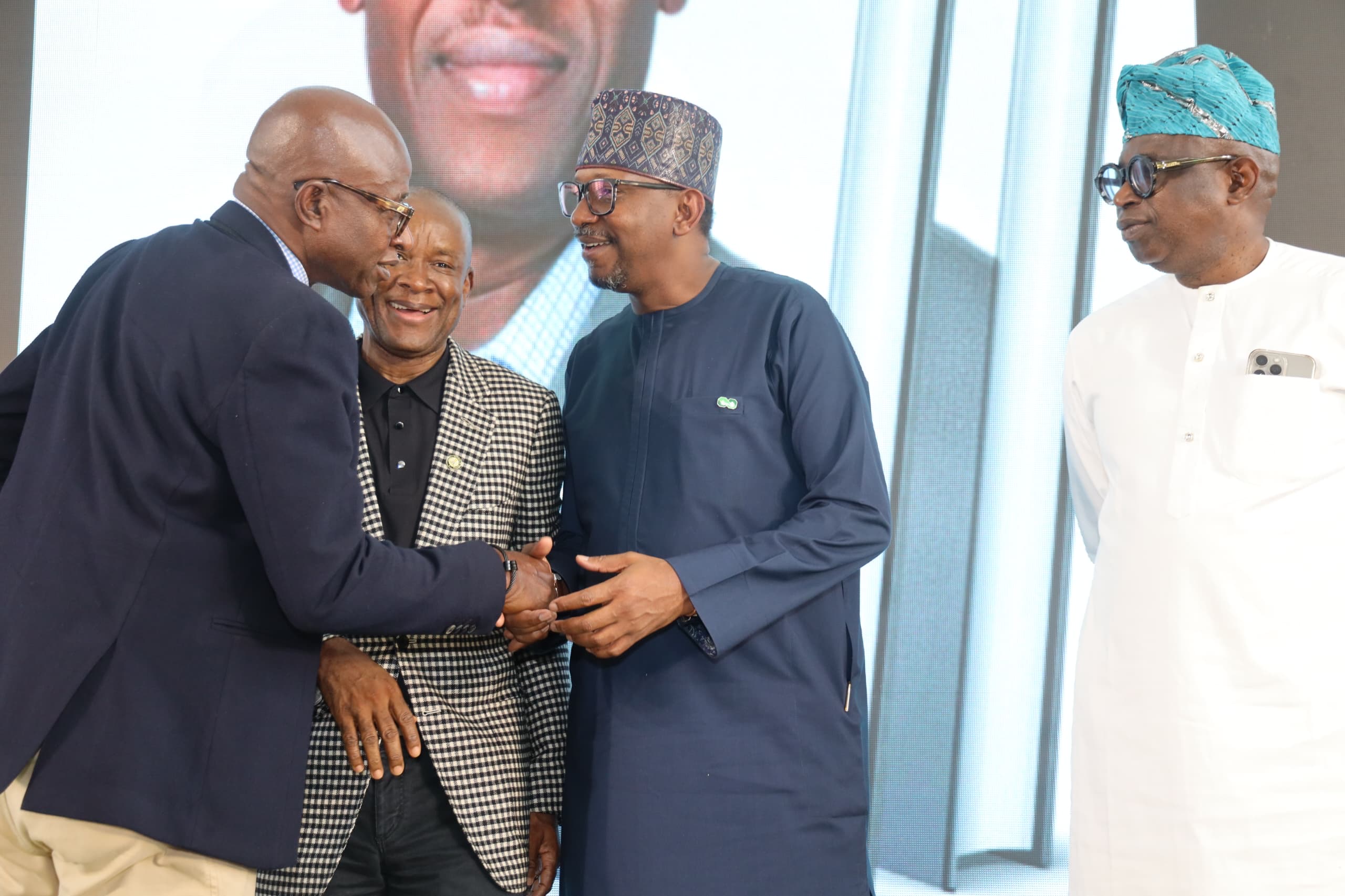
Taking the podium, Dr. Alao expressed profound appreciation to friends, family, colleagues, and sponsors, including the Managing Editor/CEO of Peace Magazine, Alh. Abdussalam Abdulfattah, for “single-handedly making this event happen” by turning a planned quiet release into a high-profile launch.
He paid tribute to his 88-year-old mother, prayed for his late father, and acknowledged the lifelong bond with his siblings and schoolmates. He also reunited with childhood friends and university classmates present at the launch, sharing humorous memories from their early years.
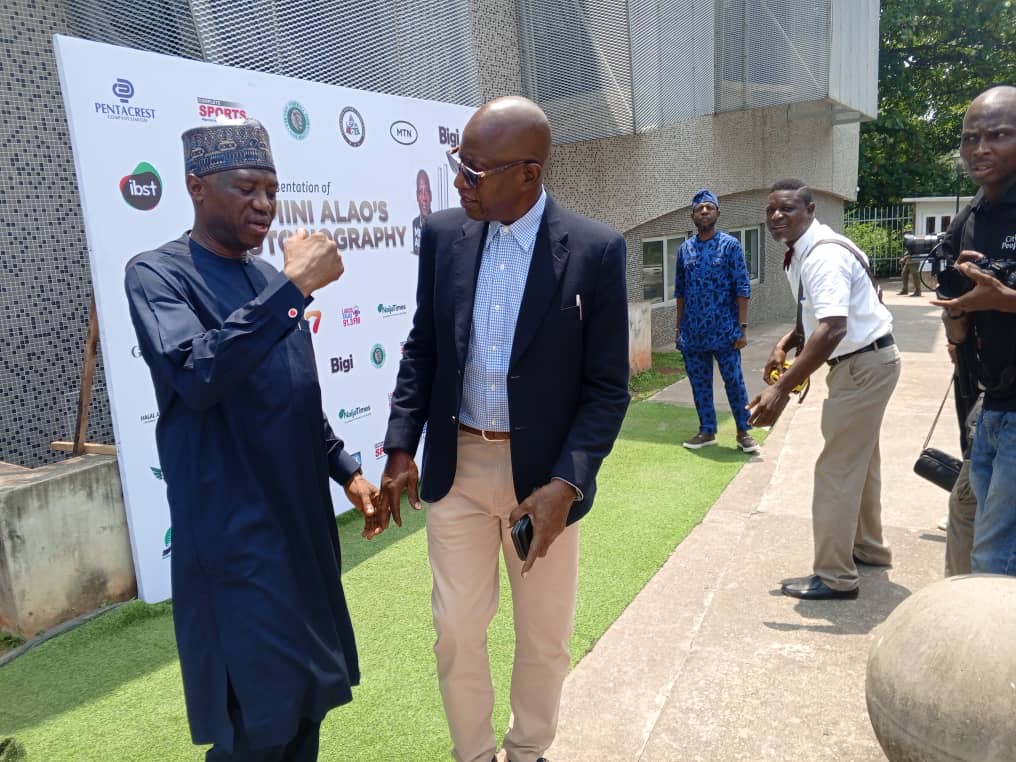
“Looking at this room, the quality of presence here it is a show of solidarity to one of your own, to one of your best. Your contributions are still needed until we get it right,” he told the gathering.
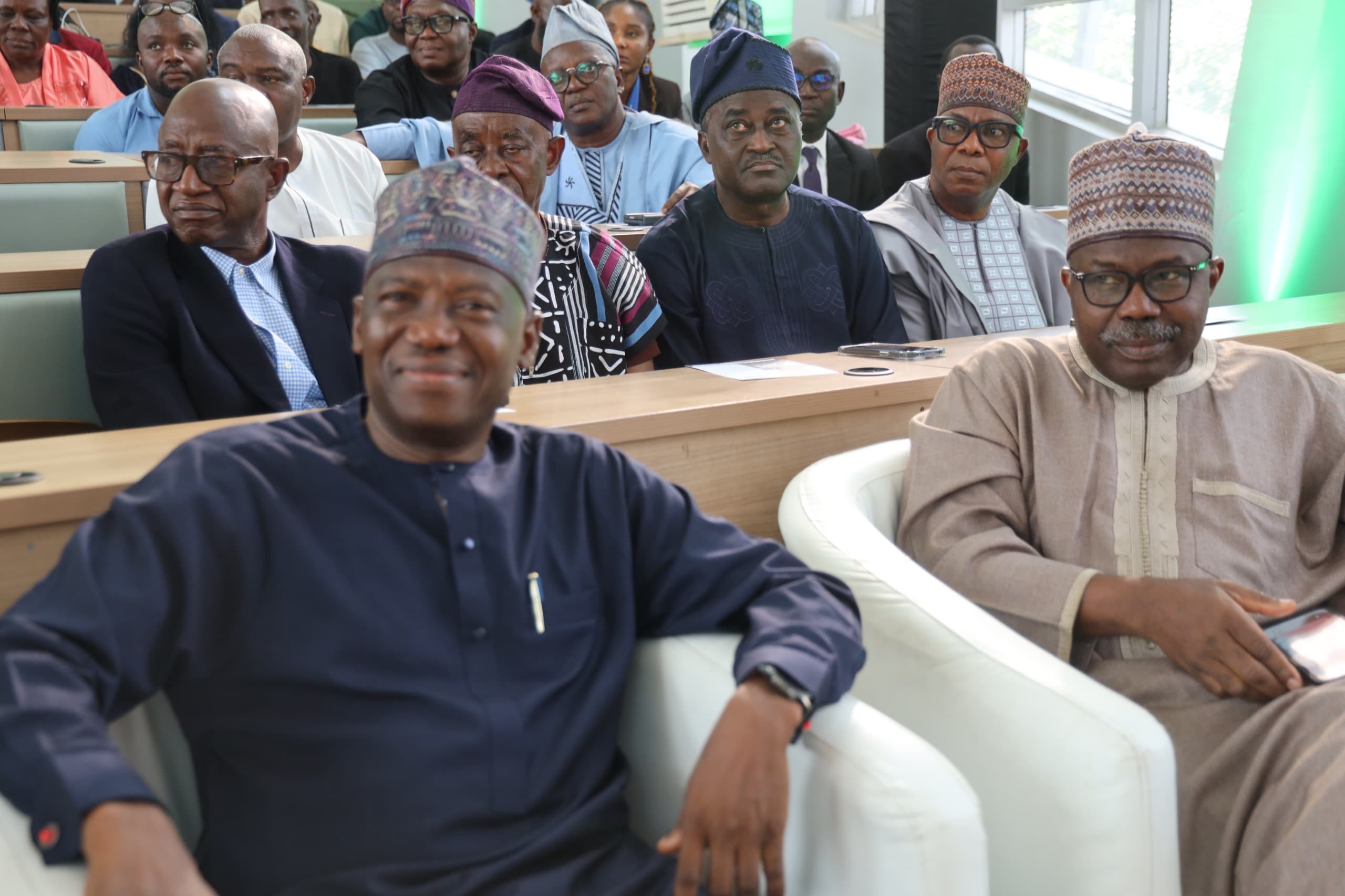
The ceremony drew an impressive roll call: former NFF President Amaju Pinnick; ex-Green Eagles winger Segun Odegbami, MON; distinguished lawyer Mallam A.U. Mustapha, SAN; traditional ruler Oba (Dr.) Khalid Oyeniyi Olabisi Oyedepo III, represented by Omoba Oyewale Oyetunde; Speaker of the Lagos State House of Assembly, Rt. Hon. Mudashiru Obasa; Hon. Kabiru Amadu; and a host of sports administrators, legal minds, and media veterans.
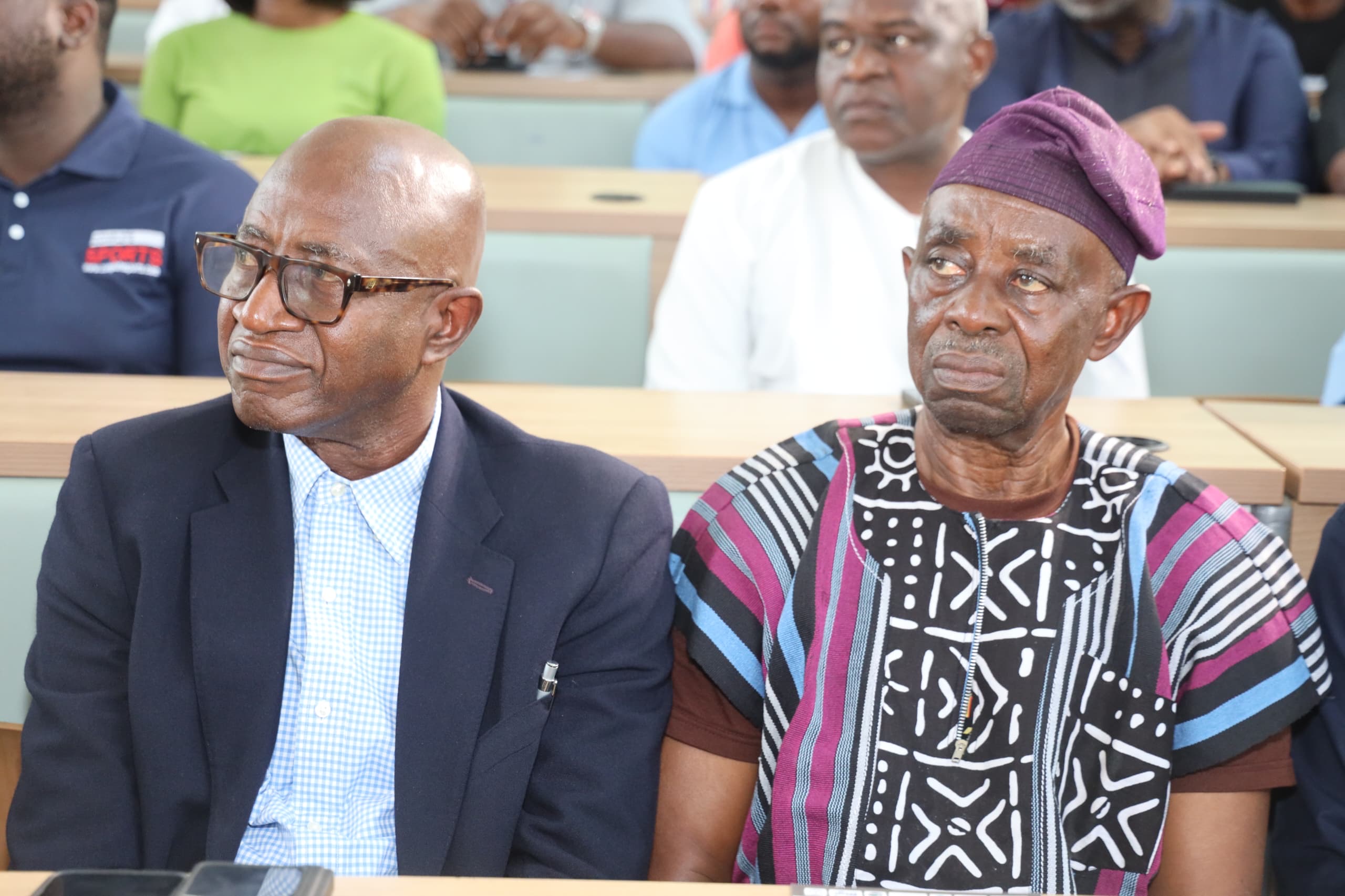

The blend of political authority, sports leadership, legal expertise, and traditional representation underscored the enduring influence of Dr. Mumini Alao, a man whose life in journalism continues to inspire and whose latest work promises to guide a new generation in the sports and media landscape.
SPONSORED

SPONSORED

SPONSORED
