

Digital Fasting (Golden Words of Allah – Ep 85)
“And establish prayer at the two ends of the day and at the approach of the night. Indeed, good deeds erase bad deeds.”(Surah Hud 11:114)
By Abdullahi Yusuf
In the name of Allah, the Beneficent, the Merciful. All perfect praise is due to Allah, may He be glorified and exalted, the Lord of the Worlds. We bear witness that there is none worthy of worship but Allah, and Muhammad (pbuh), is His slave and final Messenger.
Today’s mobile devices serve many purposes: a call to prayer, Qur’an apps, reminders of fasting times, and resources that can deepen our fasting. Clearly, technology itself is not inherently opposed to worship. Indeed, it has empowered some Muslims to learn, connect and organize their day around prayer times.
Yet with this convenience comes risk. The same device that reminds us of Suhoor or Fajr can be the very thing that distracts our heart from dhikr and detaches our gaze from reflection. Ramadan is an opportunity for discipline, not only physical discipline from food and drink, but spiritual discipline over all that occupies the heart and fills the silent moments of our day.
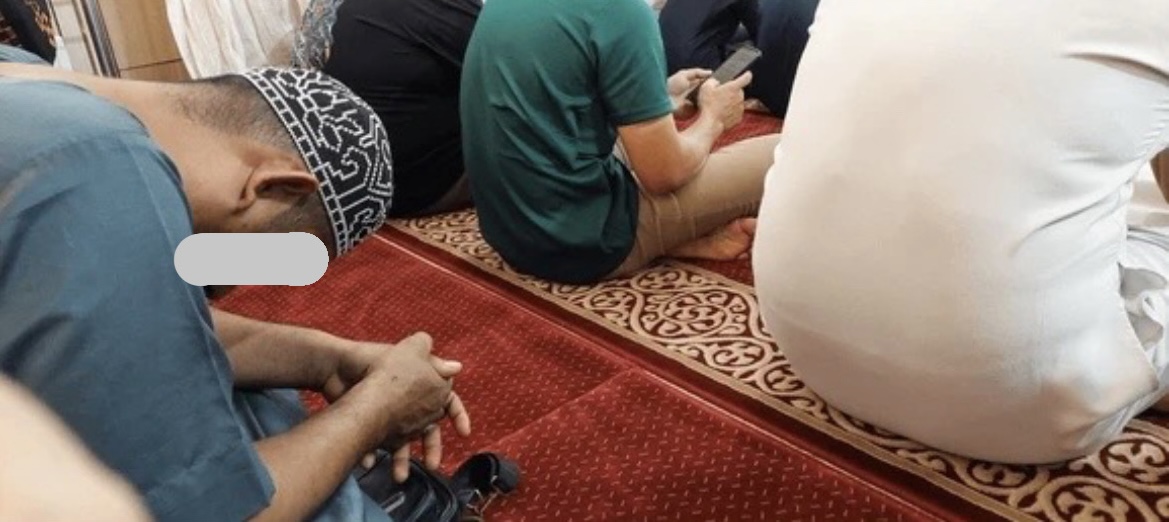
Islam teaches balance, wasatiyyah in all aspects of life. The Qur’an says: “And thus We have made you a just community…” (Surah Al-Baqarah 2:143) and by implication, this includes how we allocate our time, attention, and focus.
While the phone can be a tool for good, it can also become a weapon of distraction if left unchecked. The constant pings of notifications, the lure of social media, and the trap of endless scrolling pull attention away from prayer, remembrance, and reflection, the very pillars of Ramadan worship. Just as we fast from food and drink between dawn and sunset, Ramadan invites us to consider a “digital fast” setting boundaries around our devices so that our hearts are not tethered to the virtual when they should be tethered to Allah.
The Prophet (pbuh) taught that presence in prayer khushoo’, is essential, and anything that significantly disrupts focus can weaken that presence. Contemporary scholars note that actions resembling worldly behaviour within prayer, including unnecessary interaction with phones, can be disruptive or even invalidate solemn focus when it becomes habitual.
This idea extends beyond the prayer itself. In gatherings like Jumu’ah, lectures, or Quran study, attention matters. The Prophet (pbuh) said that speaking of vain things during the khutbah is discouraged and diminishes benefit. By analogy, constant attention to devices, even silent scrolling detracts from spiritual presence and focus.
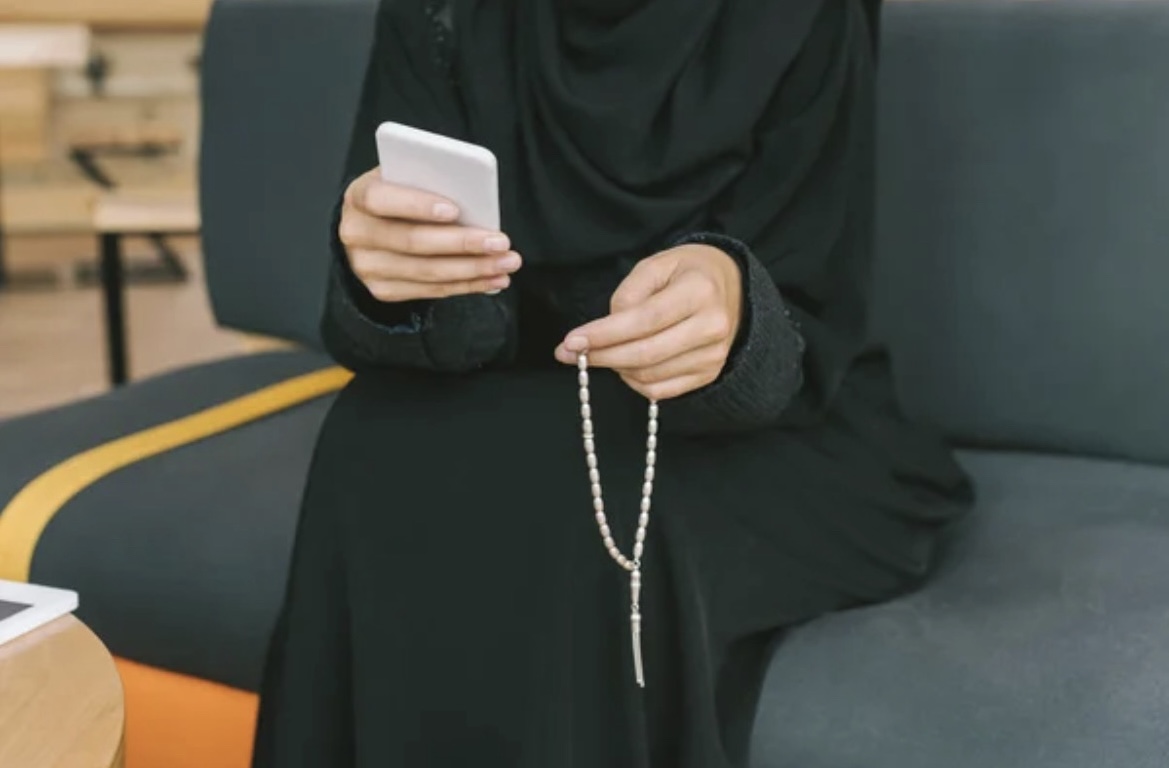
Ramadan, therefore, becomes not only a test of hunger but a training ground for our hearts and minds. Just as we discipline our bodies, we are encouraged to discipline our attention. This might mean silencing notifications during prayer and study, placing devices away during Qur’an recitation, or limiting time spent on social media so that yearning for Allah outpaces the pull of distraction.
This is not technophobia, nor an invitation to reject helpful modern tools. It is rather an invitation to prioritize Allah in this holy month, and to use technology where it serves spiritual growth and to withhold from it when it dilutes the sacred moments that Ramadan invites us to nurture.
The month is an annual gift. In it, us as Muslims learn to say no to what diminishes the heart, and yes to what brings the soul closer to our Creator.
And Allah knows best.
SPONSORED

SPONSORED
