

Assisted Reproduction in Nigeria Poses Threats to Family Integrity
Prof. Uthman Warn That Nigeria’s Rapid Adoption of IVF, Surrogacy, and Genetic Testing Could Trigger Legal and Ethical Crises
Says Surrogacy and Donor Gametes Could Threaten Family Integrity and Clear Lineage in Muslim Communities
By Abdullahi Yusuf
A leading Islamic law scholar has warned that Nigeria faces an emerging ethical and legal crisis as assisted reproductive technologies (ART) grow more common without a clear national framework to safeguard lineage, parental rights and family integrity.
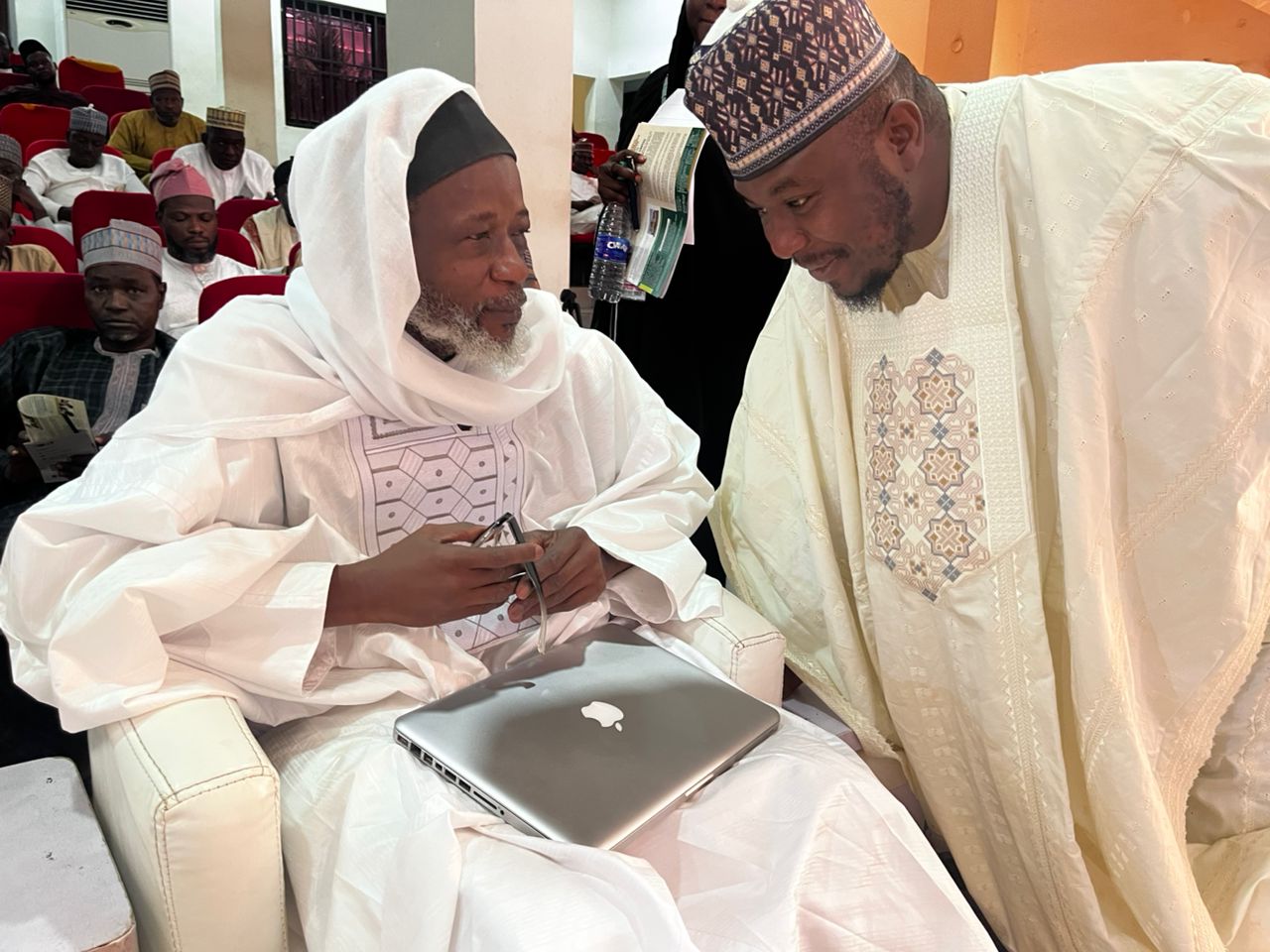
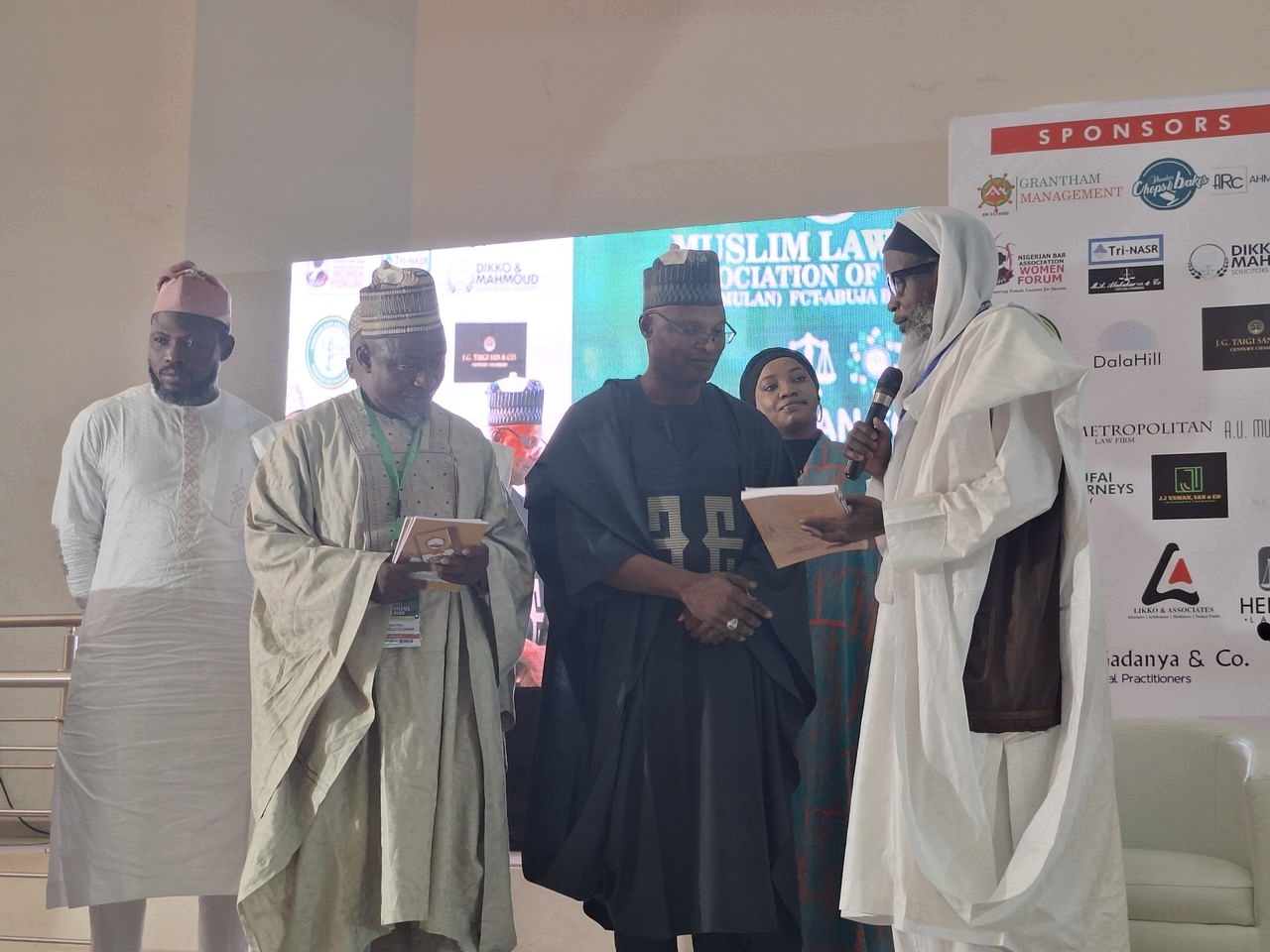
Presenting a major paper at the Muslim Lawyers’ Association of Nigeria (MULAN) Law Week in Abuja, Prof. Mohammed Bello Uthman said the rapid spread of technologies such as IVF, ICSI, embryo freezing, genetic testing and surrogacy has created “hope for infertile couples, but also unprecedented risks to Islamic principles, law and social stability.”
The session, titled “Protecting Family Integrity in the Age of Assisted Reproductive Technologies: The Shari’ah Perspective,” formed part of Day 2 of MULAN’s annual programme held at the Nigerian Bar Association national secretariat.
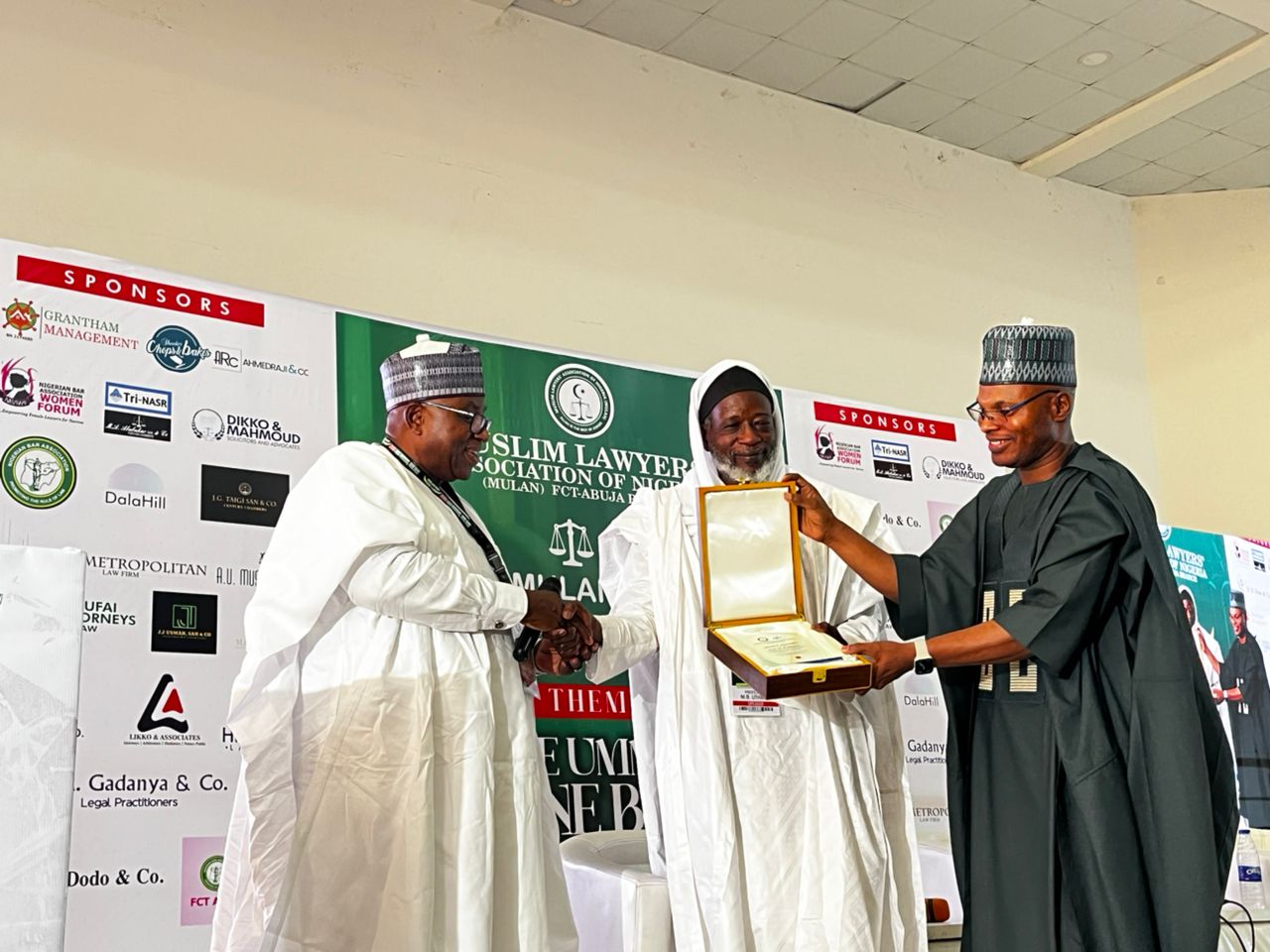
Prof. Uthman noted that in just four decades, procedures once considered experimental have become routine medical practice. While they benefit childless couples, they also “sit at the crossroads of ethics, law, medicine and society,” raising questions that many legal systems, Nigeria’s included, are unprepared to answer.
Islam, he stressed, places the preservation of lineage (ḥifẓ al-nasab) at the heart of its legal objectives. “Good lineage is essential to inheritance, guardianship, marital rules and social identity,” he said. “Anything that threatens clarity of paternity or maternity threatens the foundation of society.”
The scholar warned that technologies involving third-party reproductive material such as sperm or egg donation and surrogacy, pose some of the gravest threats.
“These practices risk mixing lineages, creating competing claims of motherhood, and producing children who do not know their true origins,” he said.
Nigeria currently lacks a comprehensive regulatory framework for ART. The only existing measures are: A 2016 Assisted Reproductive Technology Bill, still pending; Lagos State’s 2019 guidelines, which regulate clinics but do not clarify surrogacy; The 2024 Surrogacy Regulatory Commission Bill, which Prof. Uthman said is “a step in the right direction but requires broad stakeholder consultation.”
Without clear law, he warned, disputes over parental rights, embryo ownership, consent and clinic errors are already emerging. Cross-border surrogacy, where Nigerians seek procedures abroad “poses a fresh layer of complexity.”
Prof. Uthman outlined the consensus of contemporary Islamic jurists: Permissible – IVF using only the husband’s sperm and wife’s egg. Embryo transfer only to the wife. All procedures conducted within a valid marriage at every stage.
Not Permissible – Sperm, egg or embryo donation. Surrogacy (gestational or traditional). Any involvement of a third party at any stage.
“These rulings are almost universal,” he said. “Lineage cannot be preserved where third-party gametes or wombs are introduced.”

On contested issues, such as embryo use after divorce or death, or posthumous reproduction, he outlined differing juristic positions but noted that most jurists bar continuing ART after an irrevocable divorce.
Citing the Fiqh Council’s landmark 2002 resolution, he said DNA is “a near-decisive tool” in establishing identity and resolving mix-ups, but cannot be used to cancel paternity, contradict Shari’ah presumptions, or trigger punishments.
To avoid abuse, the Council recommended that states restrict DNA testing to authorised courts and accredited laboratories.

Referencing American and British case law from Baby M (1988) to Re X and Y (2008) Prof. Uthman argued that even technologically advanced countries struggle with the emotional and legal fallout of surrogacy.
“These cases show that surrogacy rarely ends without conflict,” he said. “Nigeria must learn from others before walking blindly into the same crises.”
Prof. Uthman listed the core legal dilemmas Nigeria’s courts will face as ART use expands: Verifying maternity and paternity. Establishing valid spousal consent. Regulating clinics to prevent gamete mix-ups. Resolving disputes over frozen embryos. Handling children born through foreign ART clinics. Balancing DNA evidence with Islamic presumptions of lineage.
He called for a three-tier response: 1. Legislation aligned with Shari’ah, banning third-party gametes and defining embryo storage rules. 2. Operational safeguards including a national ART regulatory authority, dual-consent standards, and chain-of-custody protocols for clinics. 3. Public education and counselling to guide couples seeking treatment.
“ART offers tremendous medical benefit,” he said, “but without ethical guardrails, it threatens the very fabric of the Muslim family.”
SPONSORED

SPONSORED

SPONSORED
