
A war far from Africa, but its children are paying the price
Rising costs and supply chain breakdowns linked to US-Israeli strikes are leaving millions at risk of hunger and disease
By Abdullahi Yusuf
Humanitarian operations across Somalia and several African countries are facing severe disruption due to the U.S.-Israeli war on Iran, with aid agencies warning that millions of children could suffer from malnutrition and preventable disease.
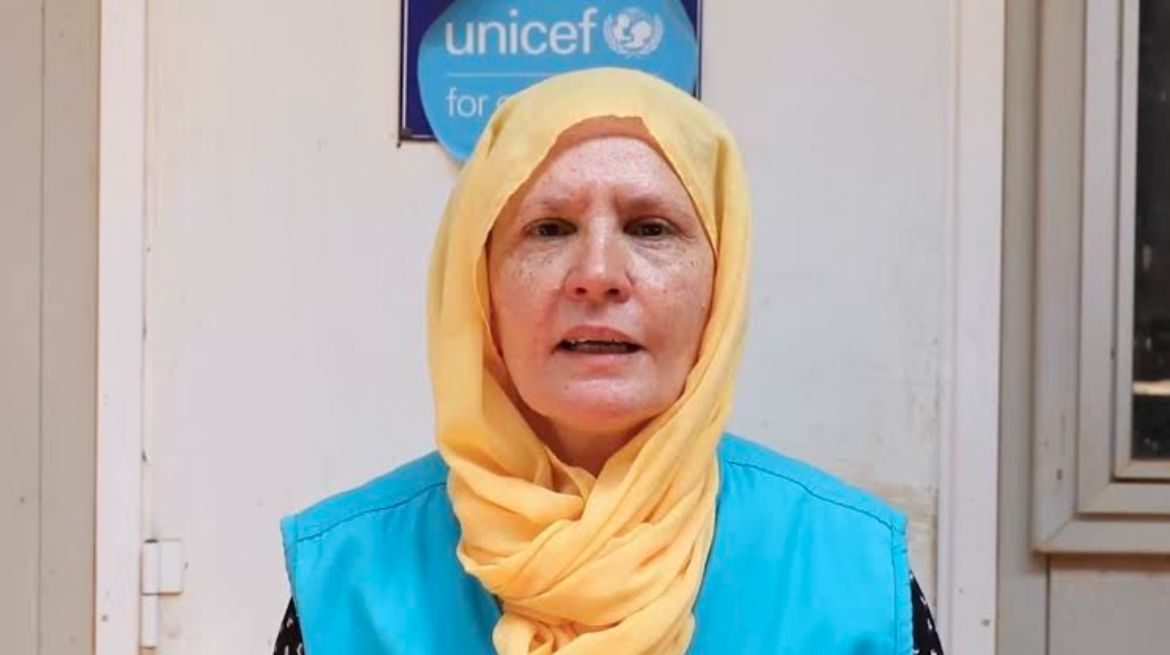
UNICEF Representative Sandra Lattouf described overcrowded camps in southern Somalia, where children weakened by drought are already unable to cry, as a stark warning of escalating humanitarian distress.
Fuel shortages and skyrocketing transport costs caused by the conflict have delayed shipments of lifesaving supplies, including therapeutic food, vaccines, and mosquito nets, jeopardizing relief for thousands of malnourished children.
Catherine Russell, UNICEF’s executive director, said the Iran war represents a “shock to the system,” forcing agencies to contend with rising costs and disrupted supply chains. “It means more children will suffer,” she said, highlighting that over 400 health and nutrition facilities have closed in Somalia over the past year, exacerbating the crisis.
Nearly 6.5 million people are now facing severe hunger, with 1.84 million children under five expected to experience acute malnutrition in 2026.
Across Africa, emergency cholera supplies for countries including Chad and Sudan are stalled in Dubai warehouses as airfreight rates surge by 70 percent amid the Strait of Hormuz closure.
WHO and the Red Cross warned that delays could allow cholera outbreaks to spread rapidly during the high-risk rainy season.
“A disruption of the supply chain will have dramatic consequences because we are talking about an explosive disease,” said WHO epidemic expert Lorenzo Pezzoli.
Officials emphasized that reliance on U.S. and allied forces for regional stability has backfired, with military escalation directly threatening civilian lives and essential humanitarian operations.
Aid workers in Somalia described children arriving at hospitals in critical, skeletal conditions, while camp residents pleaded simply for their children to survive.
The crisis underscores the wider humanitarian cost of U.S.-Israeli strikes, extending far beyond Iran’s borders and destabilizing relief efforts in the Horn of Africa and across the continent.
SPONSORED

SPONSORED
