
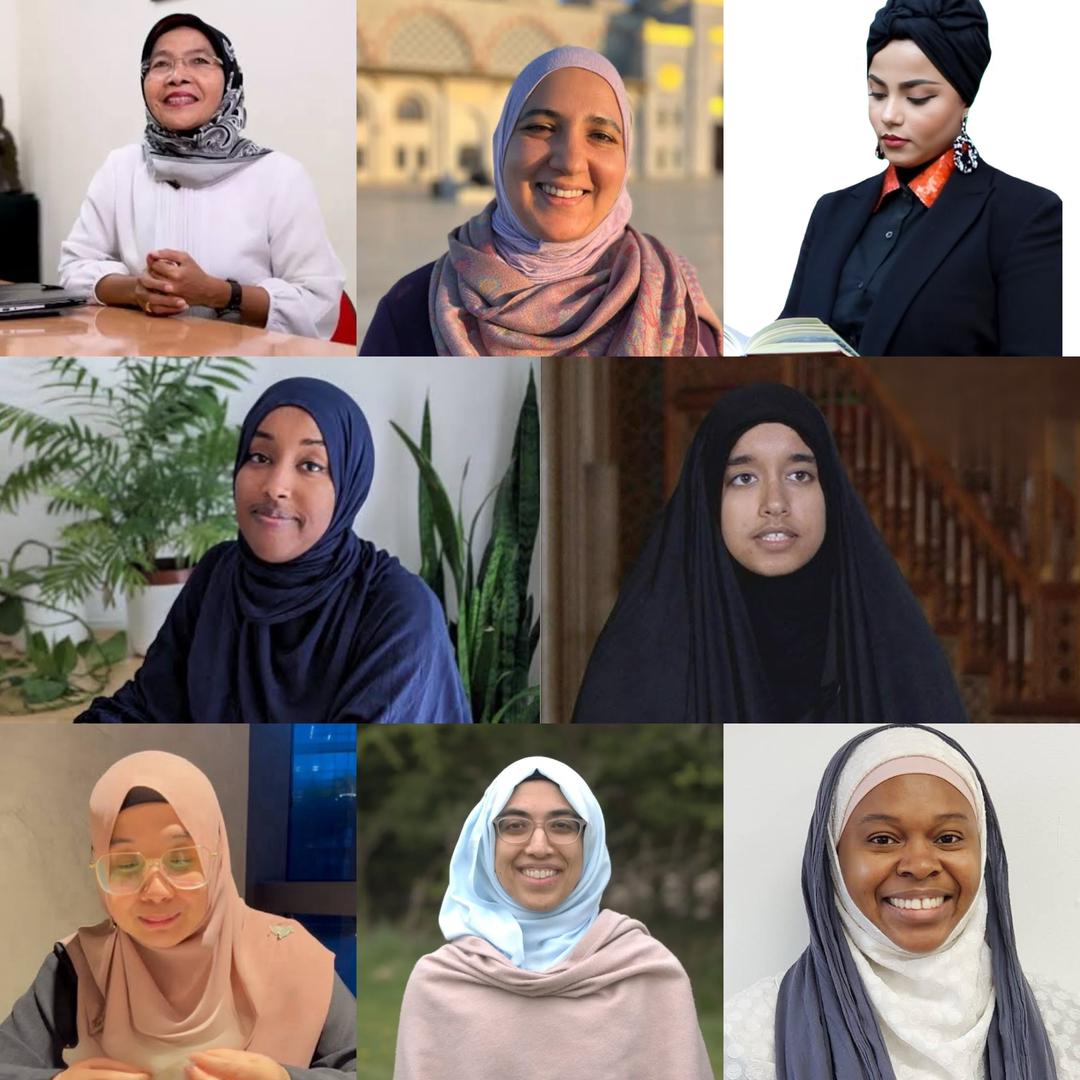
25 Female Voices of the Qur’an the World Should Know (Part One)
The Prophet (pbuh) said: “Allah, the angels, the inhabitants of heaven and earth, even the ant in its hole and even the fish in the sea, send blessings upon the one who teaches the people good.” Hadith, al-Tirmidhi 2609
By Abdullahi Yusuf
For centuries, women have shaped the oral tradition of the Qur’an, teaching, memorising and reciting its verses across continents. Today, a new generation of female qari’at are carrying that legacy into the global spotlight.
For many Muslims, the first sound of the Qur’an came through a woman’s voice, a mother, grandmother or teacher, patiently guiding a child through the sacred verses. That early bond has always underscored the role of women as custodians of Qur’anic knowledge, even when their presence has not always been visible in the public sphere.
From the living rooms of Jakarta to the lecture halls of Cairo, from community centres in London to the steps of the Scottish Parliament, Muslim women are continuing to elevate the Qur’an’s recitation and teaching. Their contributions span education, activism, performance and scholarship, reaffirming that the voices of women remain central to the preservation of the Qur’an’s beauty and message.
This feature, the first in a two-part series, profiles 25 remarkable women whose dedication to the Qur’an has touched lives across the globe.
1. Maria Ulfah
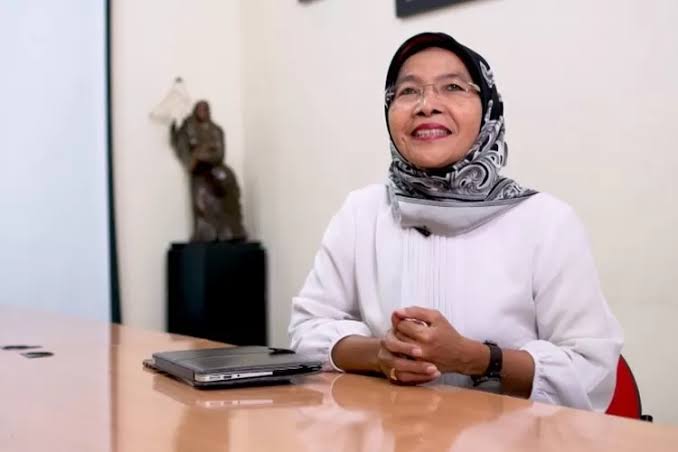
An internationally recognised master reciter, Maria Ulfah was the first woman to win an international Qur’an recitation award in Malaysia in 1980. She manages the Central Institute for the Development of Qur’anic Recitation and lectures at Indonesia’s National Islamic University, where she continues to shape generations of students.
2. Samia Mubarak
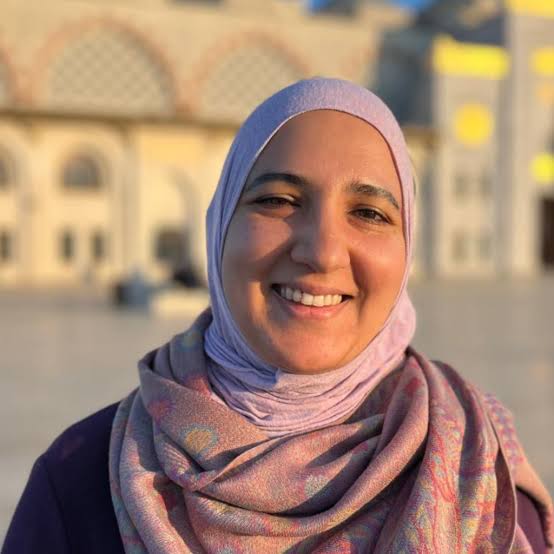
Founder of Qur’anic Ocean, Samia Mubarak is a passionate teacher whose reflections and courses attract women worldwide. She is especially known for her advocacy for learners with special needs and her thematic Qur’anic study programmes, such as her Surah Yusuf deep dive and her “Successful Parenting from a Qur’anic Perspective” series.
3. Madinah Javed
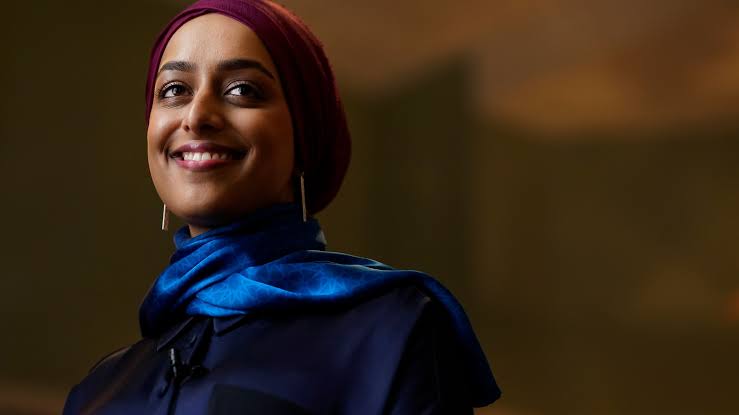
A trainee lawyer and women’s rights advocate, Javed launched the #FemaleReciters campaign to amplify women’s voices in Islamic spaces. She has performed Qur’anic recitations at venues including the British Museum and the Scottish Parliament, challenging long-held assumptions about women’s roles in Qur’anic performance.
4. A’tii Qah Suhaimi
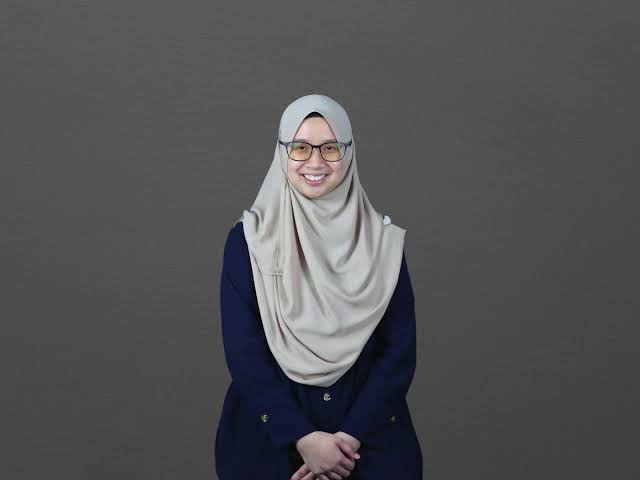
A’tii Qah began reciting at the age of seven and went on to earn a theology degree from Al-Azhar University in Cairo. A calligrapher and maqāmāt trainer, she is now part of Singapore’s School of Tarannum, passing on the art of Qur’anic melody and pronunciation.
5. Imane Ezouatni
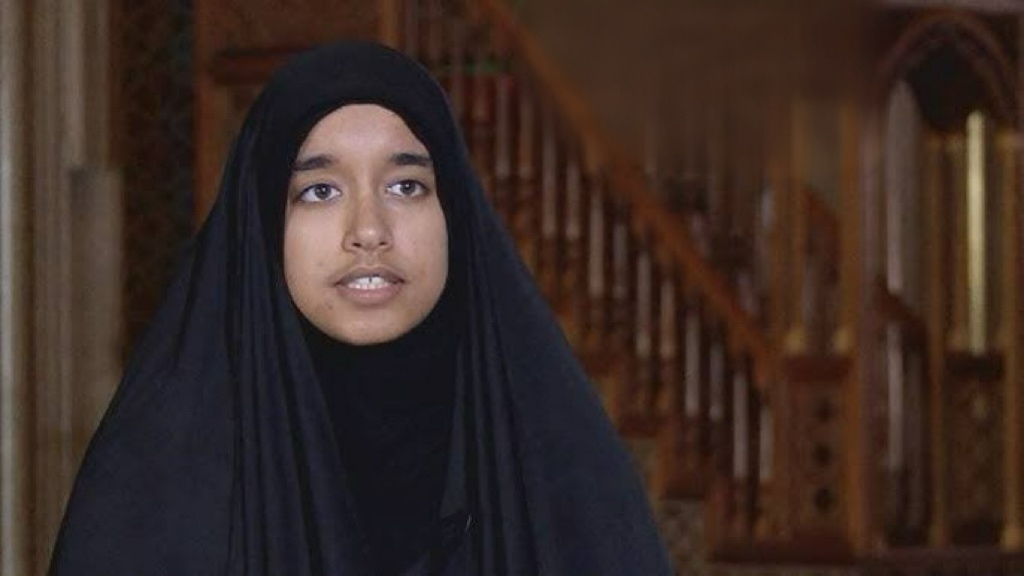
In 2016, Ezouatni represented Morocco at the Sheikha Fatima Bint Mubarak International Holy Qur’an Competition, where she received the award for “Most Beautiful Recitation.” She has since built a reputation as one of North Africa’s most promising young qāriʾāt.
6. Maryam Amir
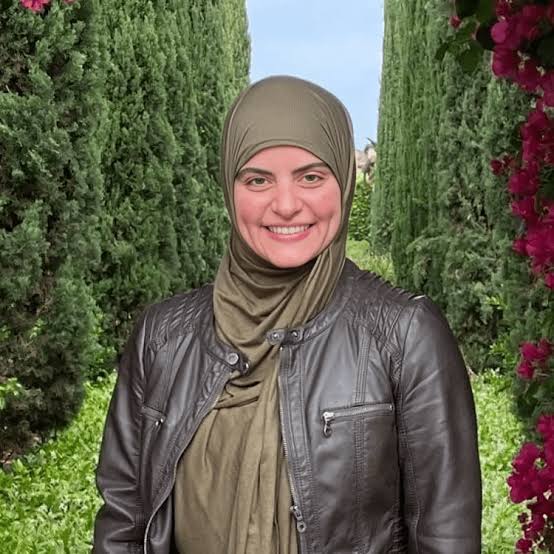
A graduate of Al-Azhar University and UCLA, Amir is the creator of the Qariah app, which archives female reciters worldwide. Her #FOREMOTHERS campaign draws inspiration from the women companions of the Prophet (SAW), encouraging women globally to recite and share their recordings.
7. Nusaiba Timol
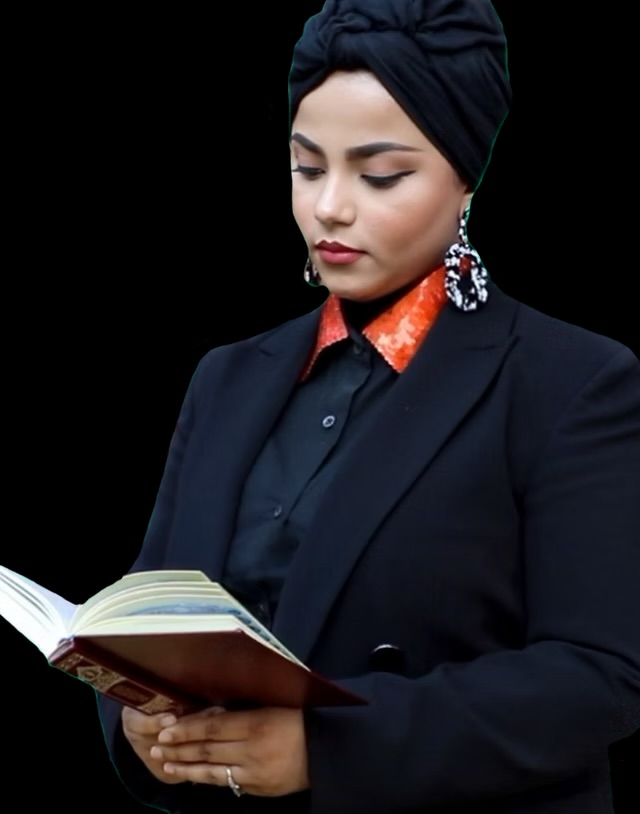
At 13, Timol became the first female winner of the UK’s National Qiraat Competition. She later founded WAW Creative Arts, a school integrating Islamic history into art education, and was listed among the 100 most influential UK Muslims by Emerald Network.
8. Sumayah Hassan
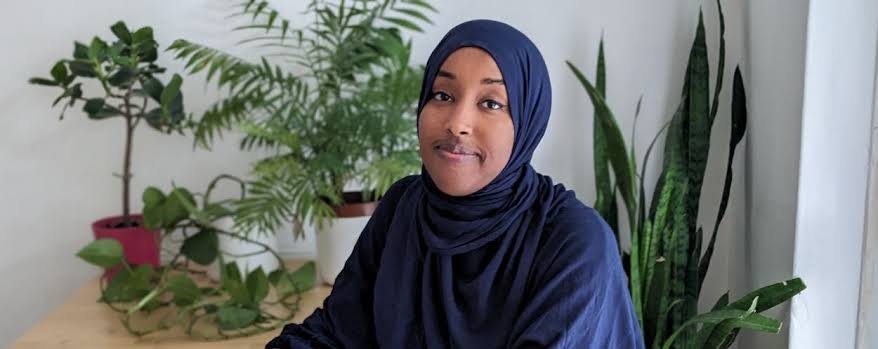
Founder of Recite & Reflect and author of 50 Reflections on the Qur’an, Hassan combines teaching, writing, and podcasting to help women strengthen their Qur’anic connection. Her workshops have reached more than 300 women worldwide.
9. Farah Elbekkali
Having memorised the Qur’an at just 11, Elbekkali has represented Morocco at international competitions, including the prestigious Sheikha Fatima Bint Mubarak event. Her recitations continue to draw wide audiences online.
10. Jee Inshera
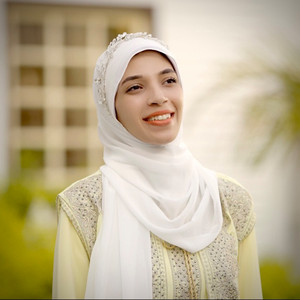
Completing her hifz in 2019, Jee Inshera quickly gained recognition through national tartīl competitions in Indonesia. Her YouTube channel features both Qur’an recitations and Islamic nasheeds, reaching younger audiences digitally.
11. Ustadhah Dr. Amatullah Saafir
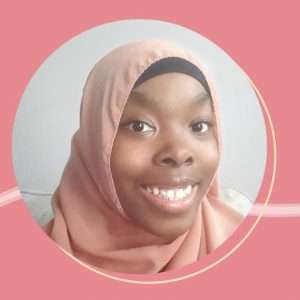
An anesthesiologist by profession, Dr. Saafir memorised the Qur’an at 16 in Senegal and later earned her ijāza in Warsh recitation. She co-founded the Hafsa Qur’an Society and serves on the board of the Measured Institute of Qur’an.
12. Anse Hafsa Abdul-Hakeem
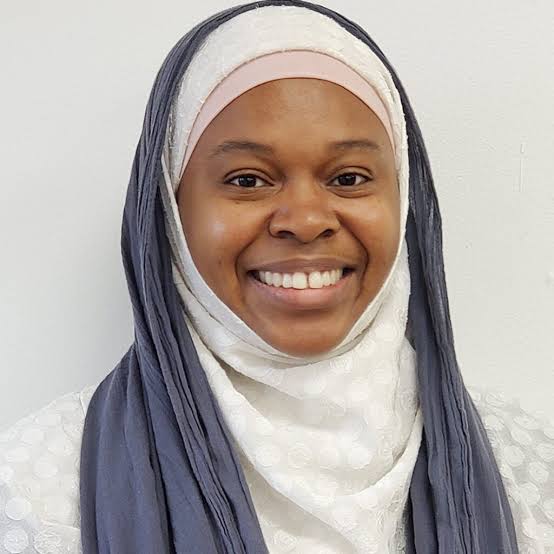
With years of study in Yemen, Jordan and Egypt, Abdul-Hakeem now teaches tajwīd and Islamic sciences with Rabata. She blends social work with Qur’anic education, supporting women across the diaspora.
13. Anse Nishat Aisha Lal
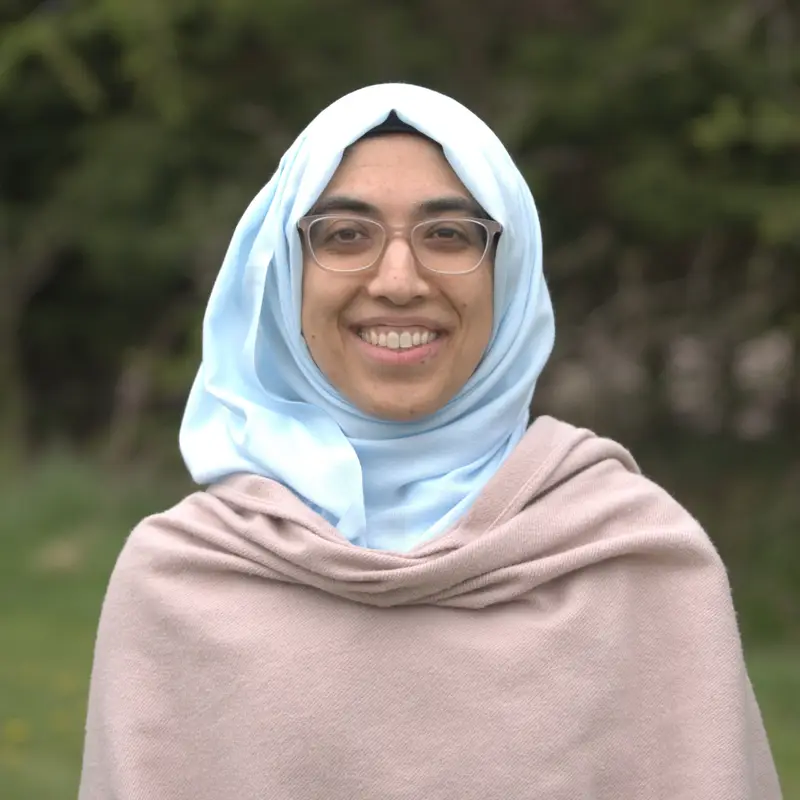
Born in Cardiff to Indian parents, Nishat studied Arabic and history in London before completing her ijāza in Damascus. Now based in the UK, she teaches Arabic and tajwīd with the Ribaat Academic Institute, while also mentoring young Muslims through the RabaTEENS programme.
This list is only a glimpse into a much wider world of female reciters whose voices carry the Qur’an across cultures and generations. More names and stories will follow in the next post.
SPONSORED

SPONSORED

SPONSORED
