

20 Unique Animals That Barely Sleep or Don’t Need It
By Abdullahi Yusuf
Did you know that sleep is not essential for every creature on Earth? While humans and most animals rely on regular sleep to restore their bodies and minds, some fascinating creatures have evolved to live with minimal or even no sleep at all. Instead, they rely on unique adaptations, like resting in shifts, shutting down parts of their brains, or entering brief periods of inactivity to conserve energy and stay alert to their surroundings.
In the animal kingdom, sleep and rest take on many forms, proving that survival doesn’t always depend on long, uninterrupted slumber. From ocean dwellers who stay active around the clock to land animals that only nap for minutes, these 20 incredible species redefine what it means to rest.
“And of His signs is the creation of the heavens and the earth and what He has dispersed throughout them of creatures. And He, for gathering them when He wills, is competent” (Quran 42:29). With unique traits, instincts, and adaptations, each animal follows a purpose assigned by its Creator, showing us that Allah’s wisdom extends far beyond our comprehension.
As we marvel at these amazing creatures – some of whom don’t experience sleep as we know it – let us praise Allah for the magnificent diversity of His creation. Here are 20 extraordinary animals whose lives remind us of Allah’s boundless creativity and precision.
1. Bullfrog
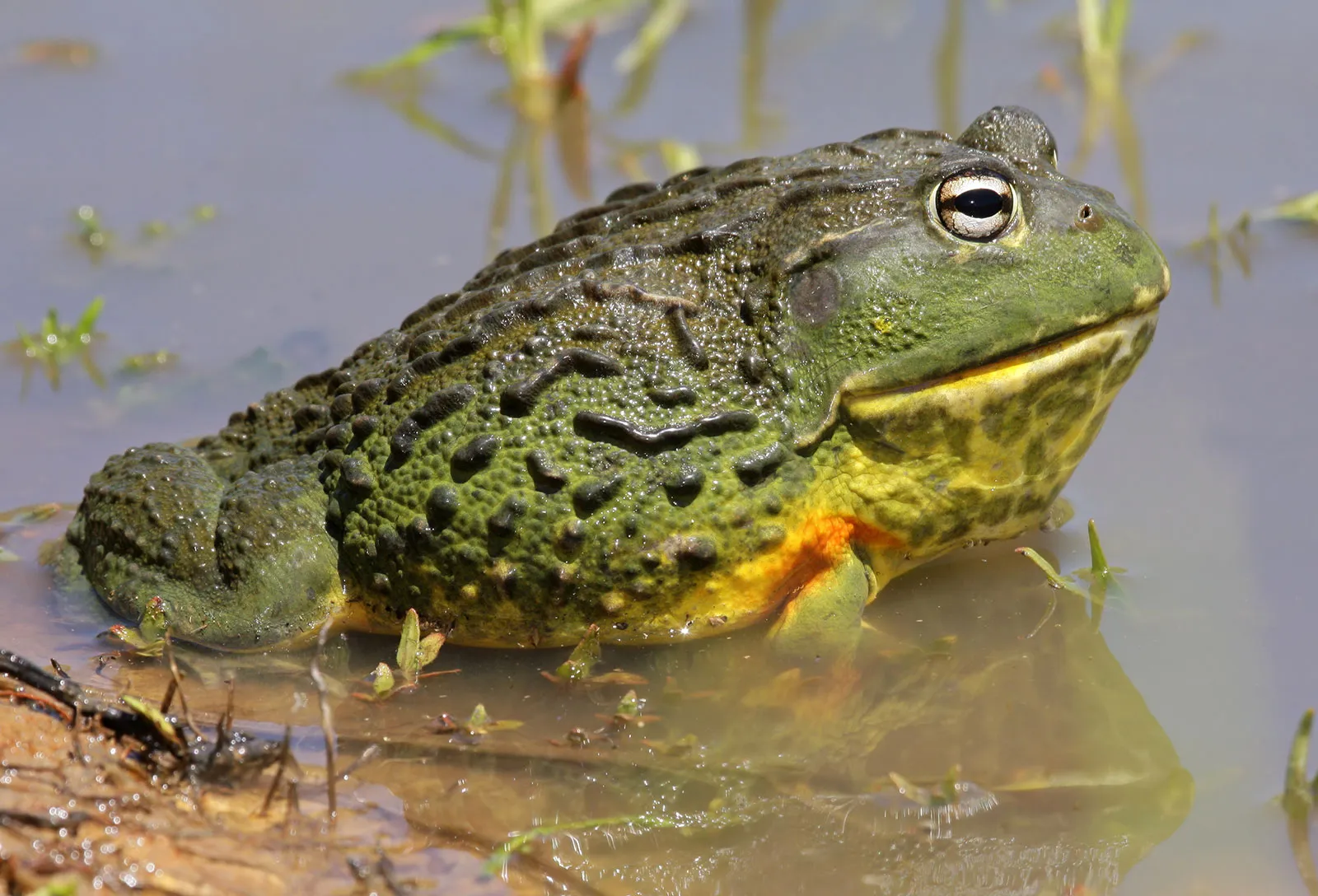
Bullfrogs are carnivorous animals common in North America. They eat anything that appeals to them, such as fish, birds, insects, and so on. They don’t have a sleep-wake cycle but rather are inactive—this could be during the day or at night. Another attribute of bullfrogs is their loud calls, which they use to defend themselves and attract mates.
2. Tilapia
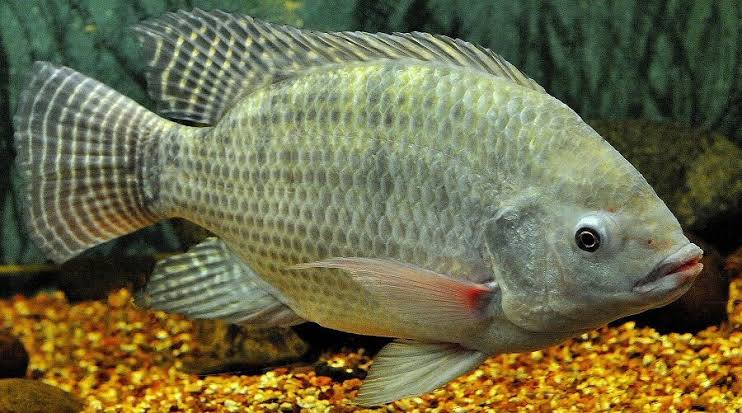
Tilapia are regarded as freshwater fish that can survive different temperatures. They don’t sleep but have a small organ called the pineal gland that produces melatonin that regulates sleep. Depending on light and temperature at a particular time, tilapia rest or become inactive. In addition, they change their colour to avoid predators and suit their current environment. Tilapia are mostly found in Africa and the Middle East.
3. Sea Urchin
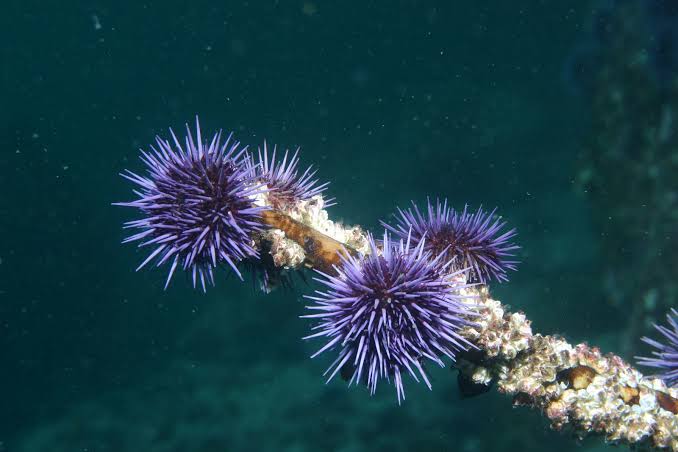
Sea Urchin are marine animals related to sea cucumbers and starfish. They dwell in deep oceans and feed on organic matter, coral, algae, and sponges. Sea urchins don’t have a brain or eyes, and neither do they sleep. They have small appendages that enable them to walk and sense their environment. In order to protect themselves from danger, they change colours and shapes.
4. Dolphin
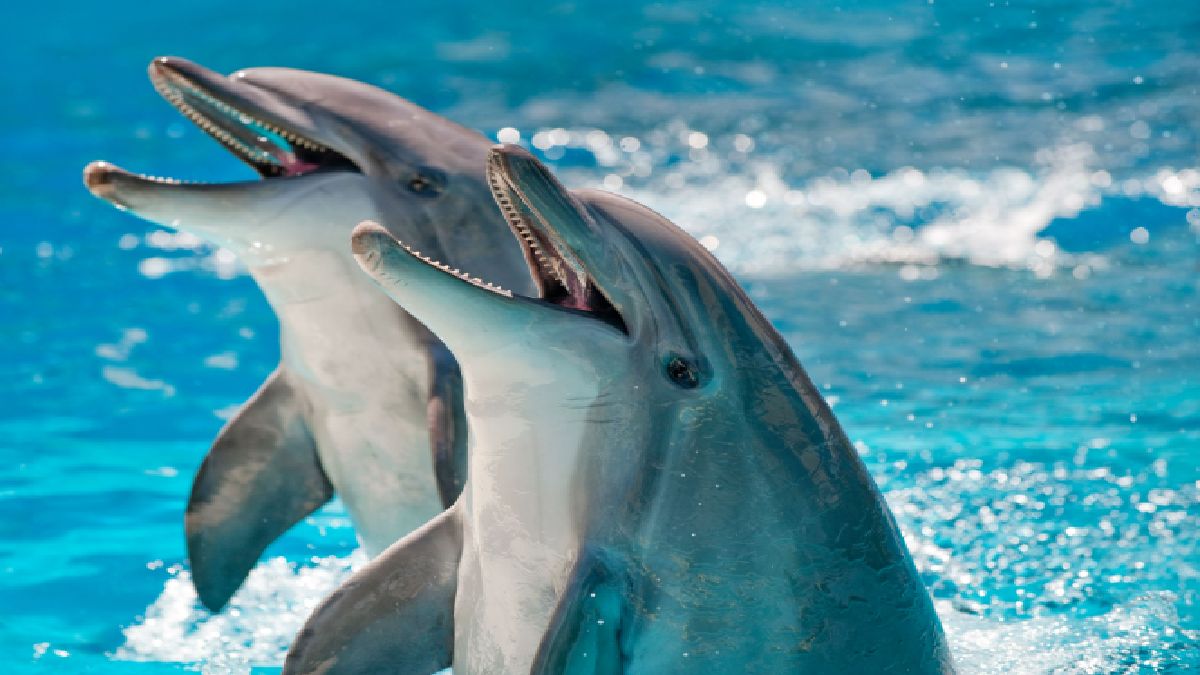
Dolphins belong to the scientific family called “Delphinidae.” They are always alert as a predator and prey. Also, they are very intelligent and social; a mechanism in them called unihemispheric sleep allows half of their brain to sleep and the other to remain awake. Due to these, they can keep moving inside water, close one eye with the other one open, and still be protective of their surroundings.
5. Fruit Fly
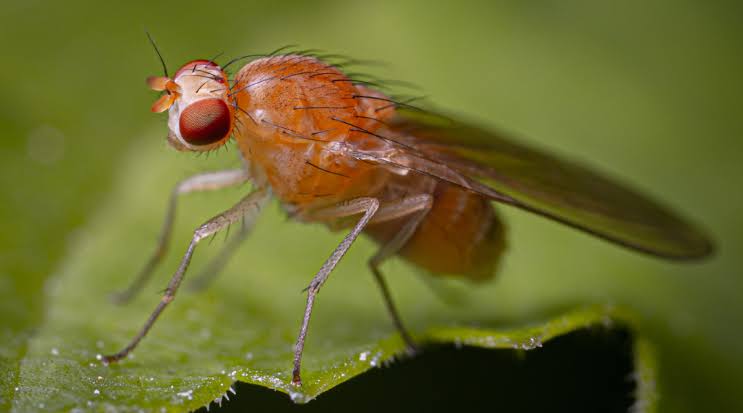
Fruit flies are animals that don’t sleep and have a short lifespan. They align with the circadian rhythm in regulating their daily activities. Fruit flies either don’t sleep at all or rest a little. Their sleeping pattern has nothing to do with their lifespan.
6. Orca
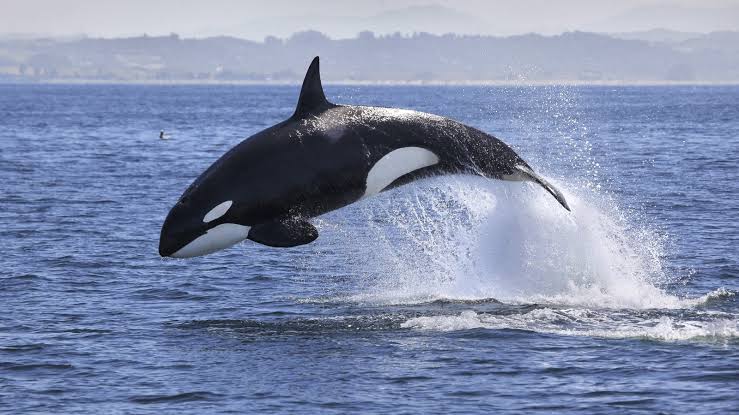
Orcas are the largest members of the dolphin family. They are very cooperative in nature. At an early stage of their lives, orcas regulate their body temperature through sleeplessness and follow each other by making sounds, hunting, and interacting.
7. Bluefish
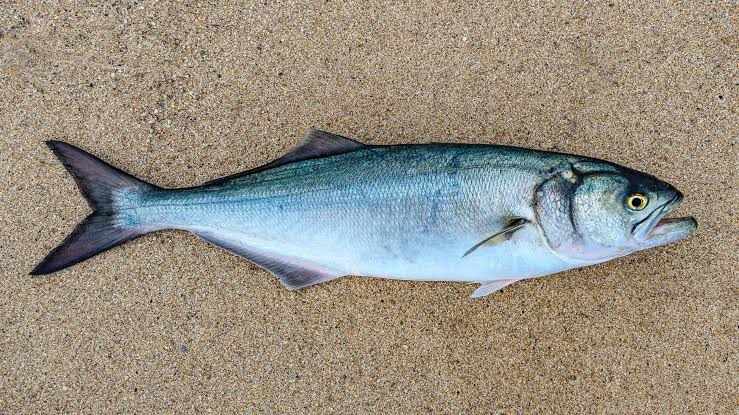
Bluefish are aggressive in nature. They have the ability to consume as many other fish as they want. Bluefish do not sleep at all; their movement is responsible for hunting and breathing. They have an organ called a lateral line for detecting prey locations and avoiding predators.
8. Upside-down jellyfish
Upside-down jellyfish get nutrients and oxygen from their posture because they expose them to sunlight, while their upward position makes them catch small organisms. They don’t have a nervous system and brain hence, they rely on nerve cells that help them respond and move.

9. Sea sponge
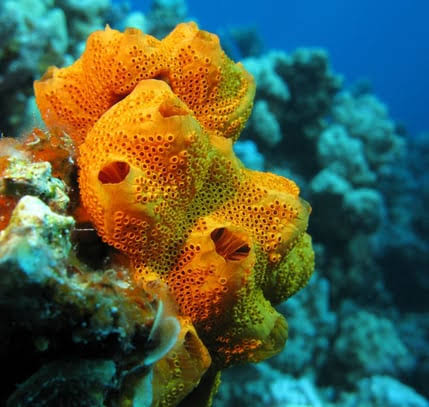
Sea sponges don’t have a brain, organs, or nervous system. They rely on cells for digestion, defense, and reproduction. In addition, sponges have the power to heal themselves when injured. You can’t find them moving; they would rather stay on rocks, coral, or other surfaces.
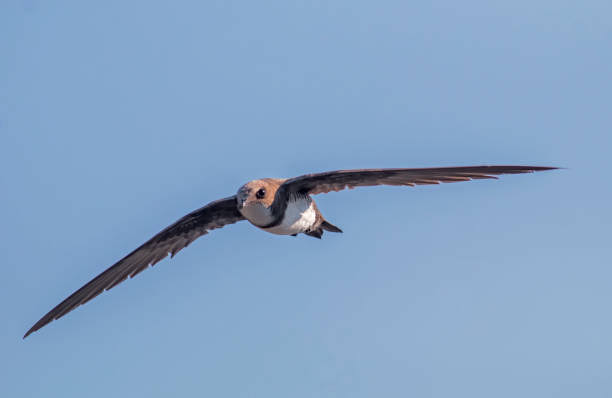
10. Alpine swift
Alpine swift birds are common in Asia, Africa and Europe. They are known for their speed and can be up in the sky for months without landing. It is during this period they mate, eat, and barely sleep. When flying, their metabolic rate and body temperature get retrenched to navigate hurdles and save energy.
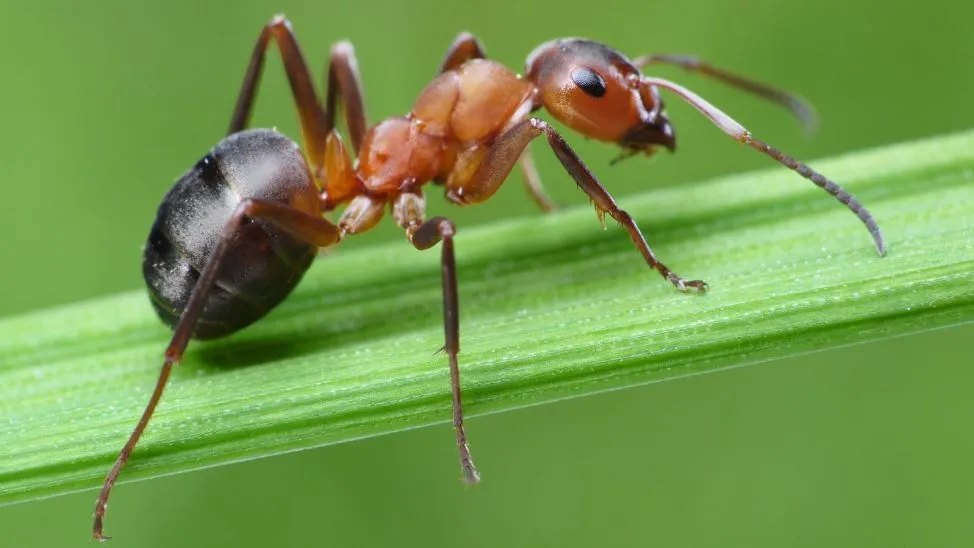
11. Ants
Some ant species have very short sleep cycles. Queens take quick naps, while workers stay active for long periods, ensuring the colony’s activities continue smoothly.
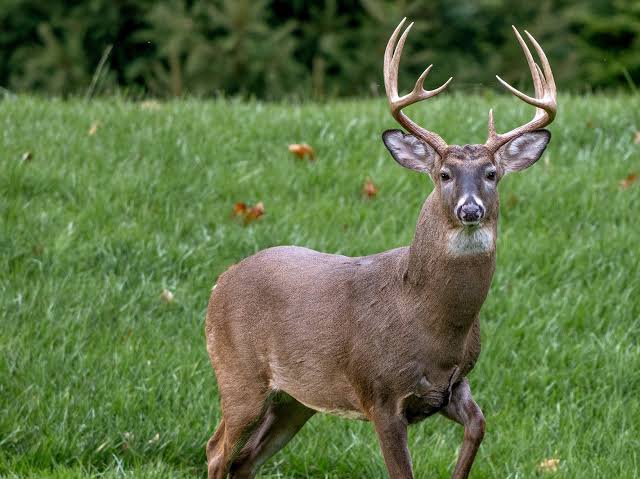
12. Deer
Deer reduce sleep during migration or in the presence of predators. They maintain a semi-alert state, ready to flee at the slightest disturbance.
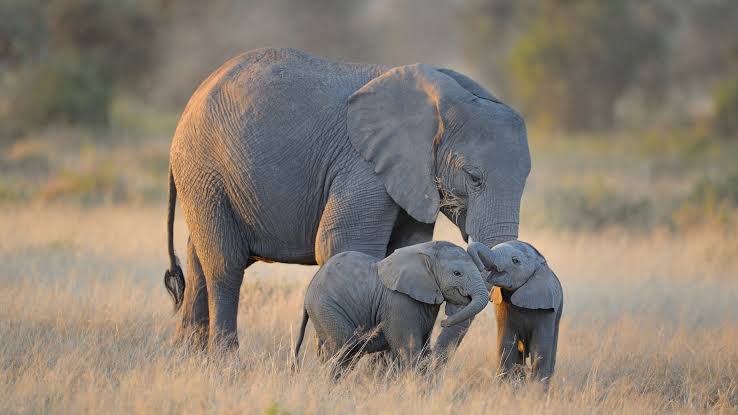
13. Elephants
Elephants rest about two hours a day, as they are often on the move. Their sleep patterns are adapted to support their social structures and constant search for food.
14. Giraffe
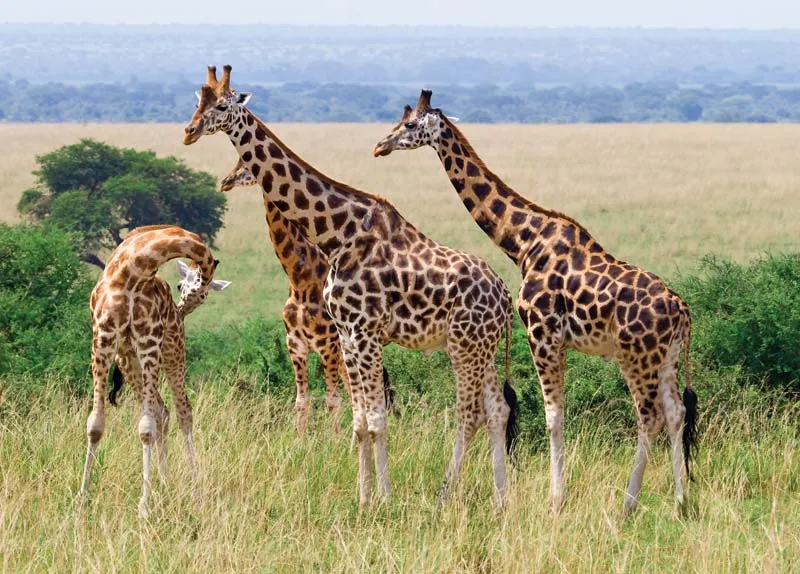
Giraffes rest for just a few minutes to two hours daily, often in short naps. Their height and vulnerability to predators require constant awareness, so they sleep sparingly.
15. Horses
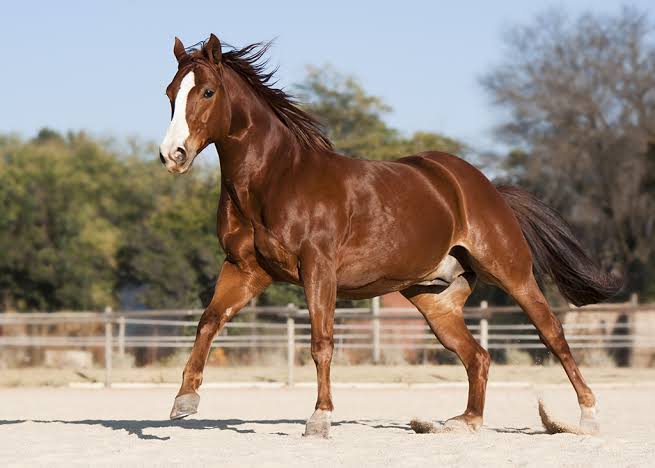
Horses can sleep standing and need only two hours of deep sleep per day. This ability helps them respond swiftly to potential threats.
16. Sharks
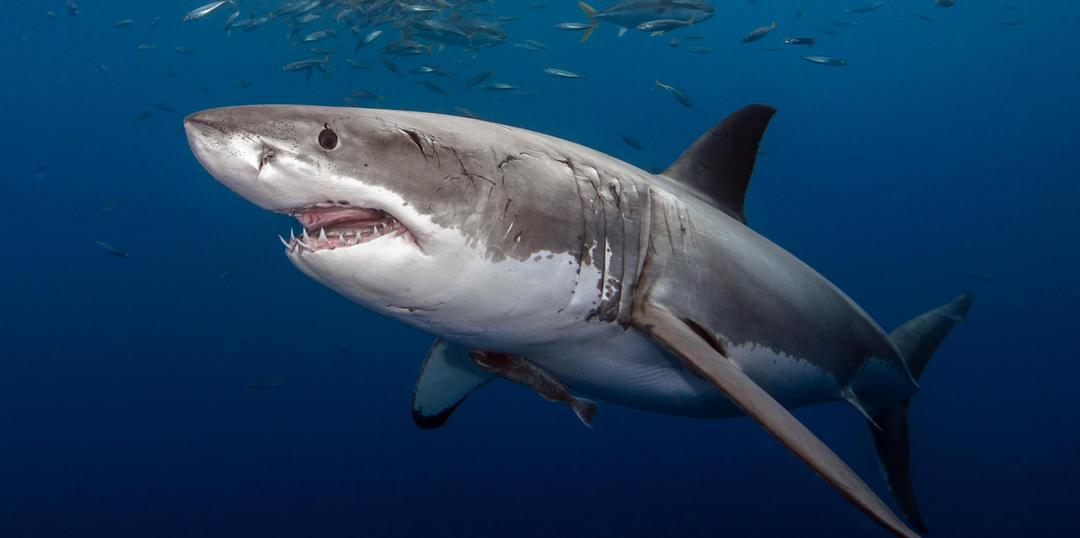
Certain sharks keep moving to breathe and don’t sleep traditionally. Instead, they have brief rest periods but remain alert, continuously swimming to stay oxygenated.
17. Walruses
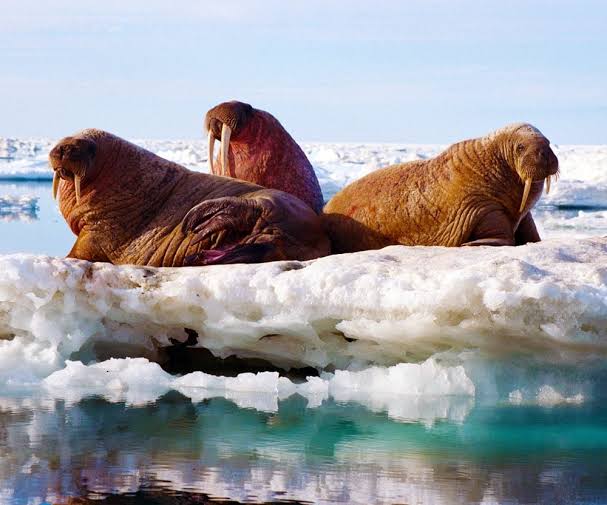
Walruses can stay awake for up to 84 hours while swimming, later catching up with extended sleep sessions on land, sometimes for as long as 19 hours straight.
18. Parrotfish
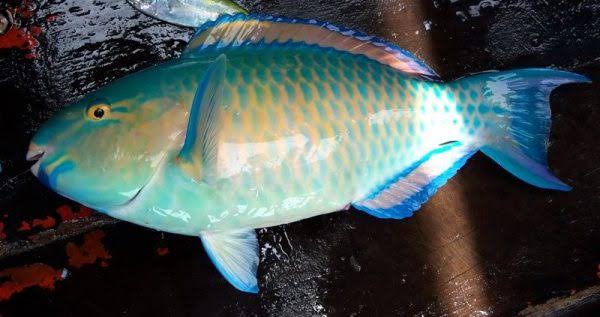
Parrotfish may rest inside mucus cocoons at night to avoid predators, but this is more a state of reduced activity rather than true sleep.
19. Octopuses
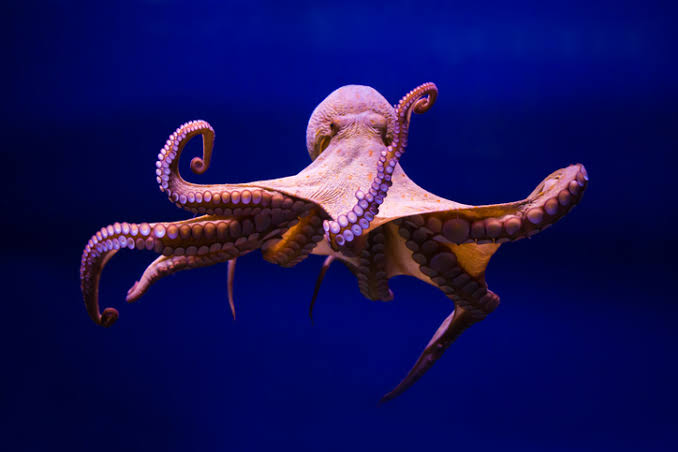
Octopuses experience rest periods but not prolonged, deep sleep. Some octopus species even show color changes during rest, thought to be associated with dreaming-like behavior.
20. Rhopalocera (Butterflies)
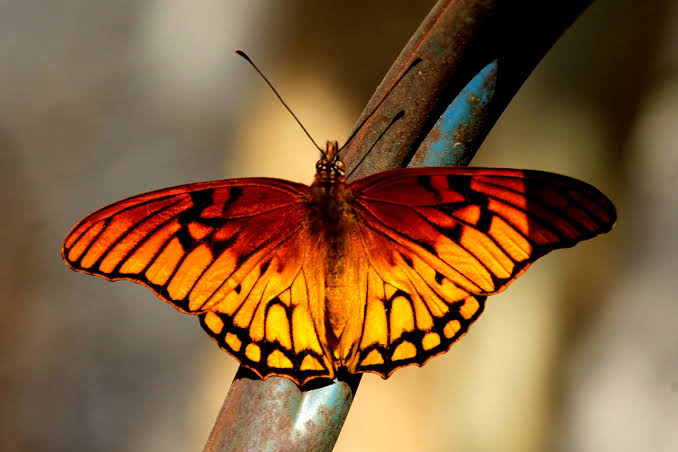
As beautiful as they are, butterflies don’t sleep but go into a state of torpor which appears like sleep but is actually rest when have slower heartbeat and a lower body temperature.
SPONSORED

SPONSORED

SPONSORED
